
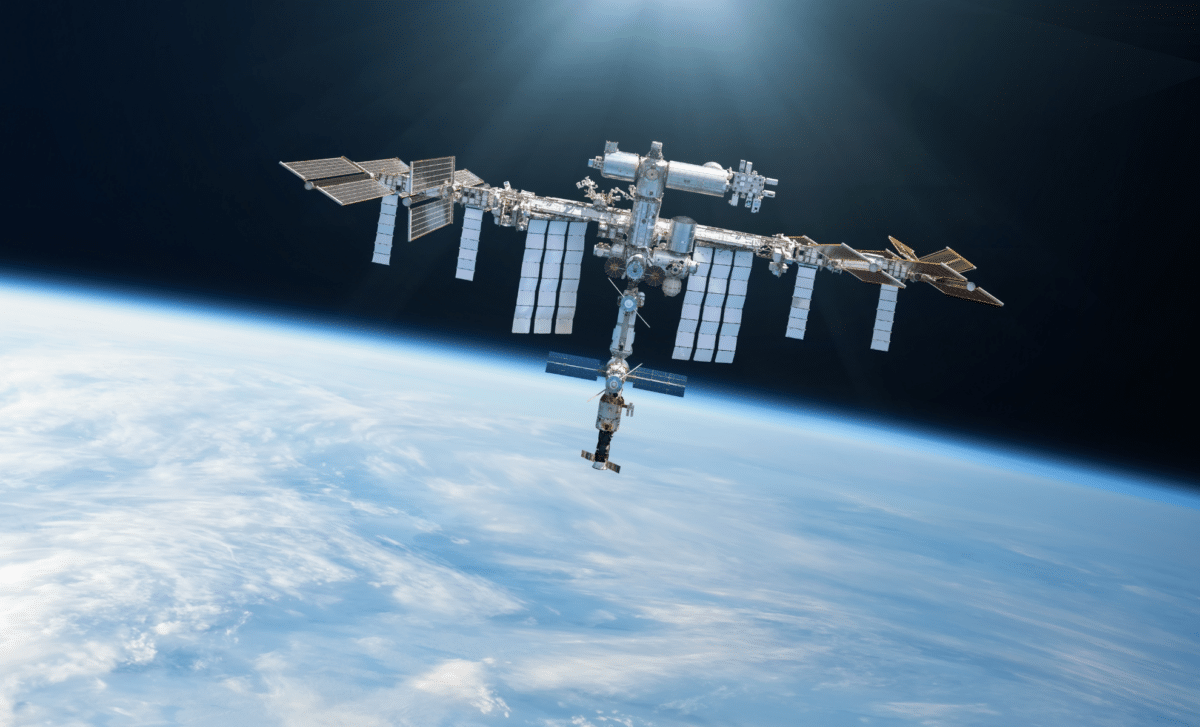
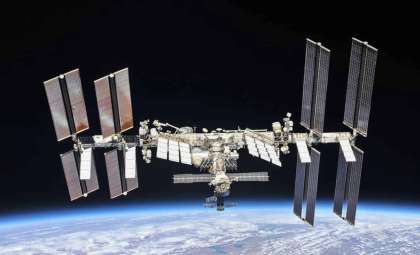
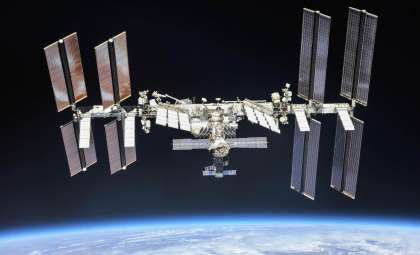
Hovering approximately 250 miles above the Earth's surface, the International Space Station endures one of the most extreme human-made environments, where continual thermal fluctuations, subtle vibrations, and material deterioration quietly affect its aging framework. In recent years, minor but persistent air leaks identified in a section of the Russian segment hinted at a more serious structural matter within the station. Although crew members have successfully sealed these leaks, the underlying issue of the cracks remains unresolved.
A Short-Term Solution Conceals a Larger Challenge
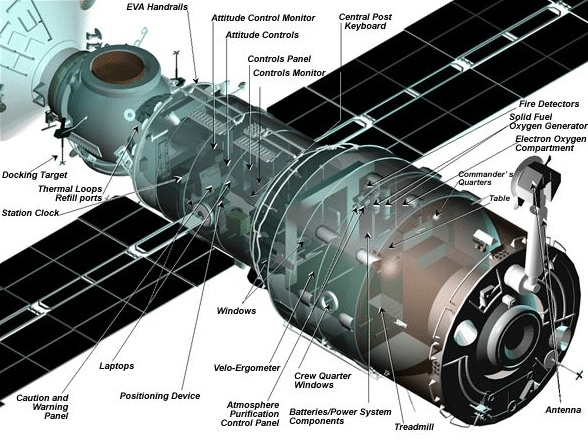
Addressing air leaks within the Zvezda service module appeared to be a breakthrough in an ongoing problem that has plagued the ISS for several years. Cosmonauts applied a sealing compound to fracture points in the PrK vestibule, the corridor connecting a docking port to the station's core, successfully halting detectable air loss. Despite this progress, the fundamental question about the module's structural durability remains unanswered.
Teams from NASA and Roscosmos have formed a joint commission to analyze the fractures and determine their causes. Although valuable insights have emerged, a definitive conclusion has yet to be reached. “The joint commission noted that NASA and Roscosmos technical teams have made significant progress in understanding the root cause and mitigations of cracking in the PrK,” Advisory Council chairman Bob Cabana stated. Nevertheless, the same report admits the “failure to find a single root cause.”

Currently, two main theories guide the investigation. One suggests that repetitive vibrations from onboard pumping systems have induced high-cycle fatigue. The other attributes the damage to environmental-assisted cracking, where prolonged exposure to the space environment deteriorates materials over time. Each possibility impacts the extent of vulnerability across the station differently. Without a clear understanding, engineers focus on risk management rather than elimination.
Diverging Views Between NASA and Russian Experts
The issue is further complicated by differences in interpretation between the U.S. and Russian teams. Although both parties agree on control measures like reducing pressure in the vestibule and limiting access, they remain divided on the true severity of the cracks. This disagreement has persisted through multiple advisory sessions and continues to influence operational choices on the ISS.
“The NASA team continues to have concerns over the length of time that the PrK remains at pressure,” noted Bob Cabana, the committee chair, emphasizing ongoing worries regarding the module’s utilization. Observations indicate that rules aimed at decreasing internal pressure are not always strictly followed, prompting further evaluation and discussion between the teams.
These contrasting views extend beyond technical questions and highlight broader challenges in managing a multinational orbital laboratory. Decisions on docking port usage frequency, pressurization duration, and dependency on alternate docking sites rely heavily on incomplete information. Consequently, station operations adopt a careful and sometimes fragmented methodology.
Sealing Leaks Does Not Eliminate All Hazards
Operationally, the absence of active air leaks offers significant reassurance. “The current position right now is there are no leaks,” confirmed Joel Montalbano, acting associate administrator for space operations, during a congressional briefing. “They’ve put some sealant over it and we’re not leaking.”
Still, this accomplishment doesn’t address the foundational structural worries. The vestibule remains designated as a potential risk area. When in use, personnel from the U.S. segment isolate themselves by closing hatches as a safety measure. The time spent pressurizing the module is kept to a minimum, and mission coordinators are investigating alternative docking solutions to lessen reliance on the affected port.
As reported by Space News, these strategies represent a focus on containment rather than a permanent fix. Engineers are essentially buying time, ensuring safe station operation while diligently seeking a thorough resolution. This scenario highlights the difficulties of maintaining an aging orbital platform where direct repairs are challenging and every intervention involves risk.
- Categories:
- News





0 comments
Sign in to Comment