
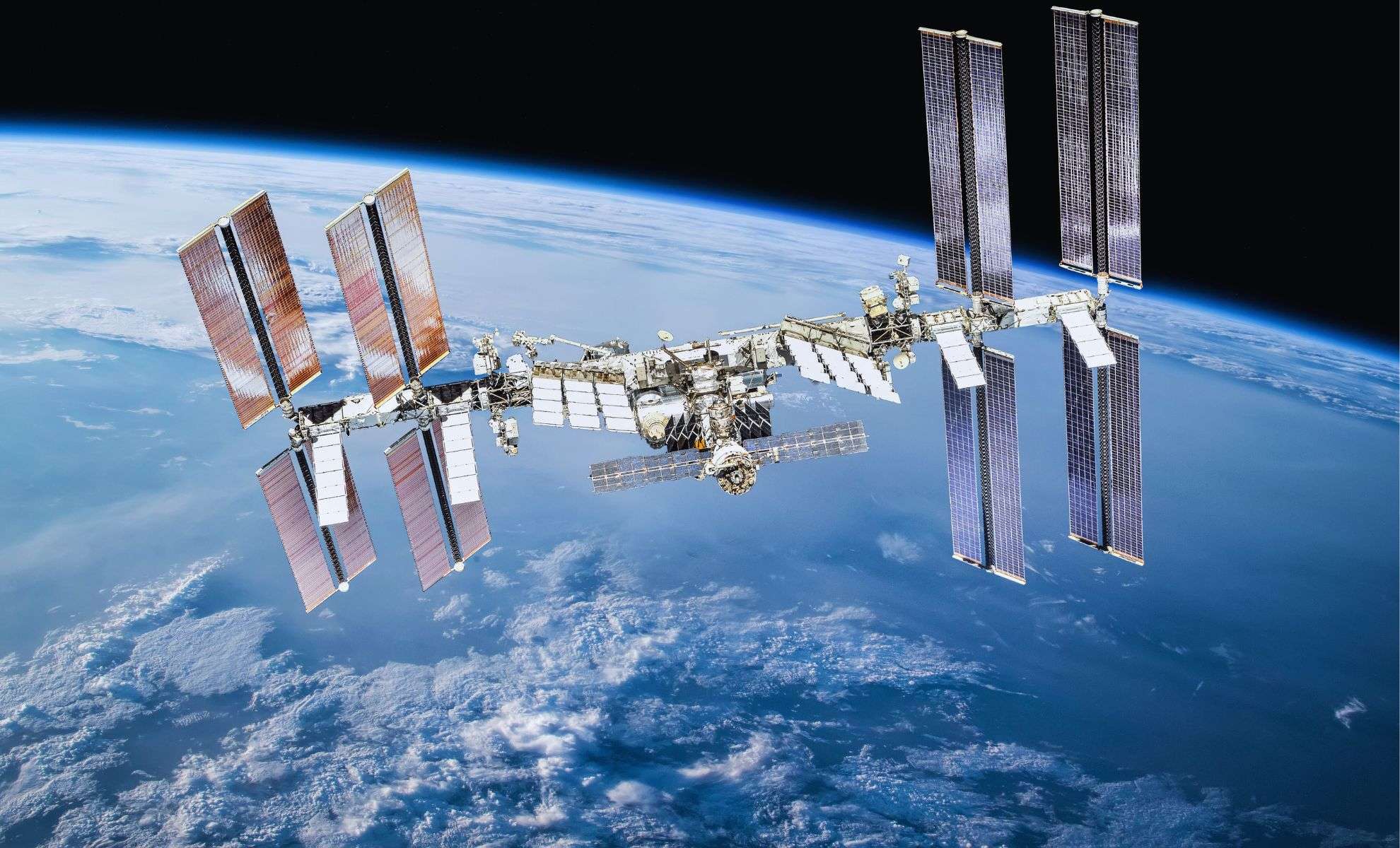
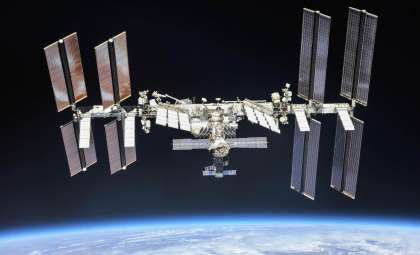
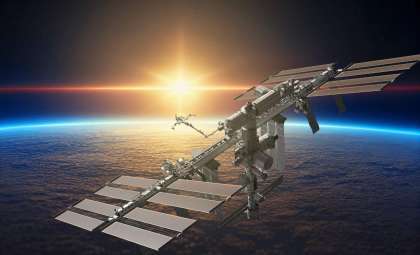
The International Space Station (ISS) stands as a testament to global collaboration in space research. Yet, an ongoing air leak within the Russian section has sparked worries about the station's ongoing safety and functionality. Despite extensive efforts over several years to detect and repair the breach, the leak endures, prompting space agencies to consider alternative measures. According to TASS, Sergey Krikalyov, Roscosmos' executive director for manned space flights, shared details on this persistent problem. While repairs have reduced the air leak rate, it remains unresolved, presenting a continuous challenge for the maintenance teams.
Initial Detection and Growing Concerns
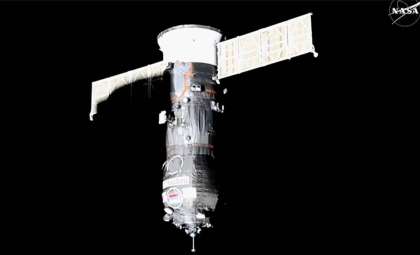
The air leak was first identified in September 2019 by Roscosmos in the Russian part of the ISS, specifically originating from the vestibule that links a docking port to the Zvezda module. Launched in 2000, the Zvezda module is integral to the Russian segment, providing crew quarters and life-support facilities. Initially minor, the leak has more than doubled in severity, currently surpassing two pounds of air loss daily. This rate is alarming due to the delicate operational conditions aboard the ISS and the potential risks it poses to the station's structural soundness over time.
Sergey Krikalyov emphasized the ongoing investigation, stating, “We persist with our efforts to locate and repair the leak, and recent fixes have significantly decreased its severity.” Despite these attempts, the exact source remains elusive. At one stage, the team believed they had addressed the issue, but subsequent monitoring confirmed the leak's continued presence, adding urgency to finding a lasting repair.

Challenges in Addressing the Leak
Pinpointing the leak's precise origin has proved complicated. The ISS operates in the vacuum of space, where even a minor breach can have severe consequences. The vestibule in the Russian module, where the leak is situated, plays a vital role in both crew movement and spacecraft docking operations. Numerous repair attempts have been made over time, yet none have completely sealed the leak.
Krikalyov highlighted the importance of preventing similar issues in the future, noting, “It is crucial that future space stations avoid such complications.” The ongoing difficulties reflect the inherent vulnerabilities in station design and underscore the necessity for improved detection and sealing solutions. Approaching its third decade, the ISS confronts questions about its long-term reliability and safety.
The complexity of these repairs showcases the fragility of space systems. Simple problems can often be swiftly fixed, but this particular leakage demands repeated thorough inspections to identify and mend. Each repair is carefully evaluated to determine whether it has stopped or merely slowed the air loss. Combined with the harsh conditions of space, these efforts are exceptionally demanding.
Wider Impact on Space Missions
This persistent leak is more than a technical setback; it carries broader implications for space exploration. The ISS exemplifies international teamwork and scientific advancement, but as it ages, such problems provoke critical questions about the sustainability of extended space missions. If the Russian segment is difficult to maintain, it raises concerns about building future stations or undertaking deep-space journeys to destinations like the Moon and Mars.
For agencies like NASA and Roscosmos, the leak signals the necessity for space habitats that can better endure the rigors of prolonged missions. Although the ISS symbolizes human spaceflight achievements, Krikalyov’s comments indicate a strong commitment to learning from these challenges to enhance the design of future stations.
Potential Fix: Isolating the Zvezda Module
One potential resolution, if current repairs fail, involves permanently closing the hatch to the Zvezda module. This would eliminate one docking port used for cargo and spacecraft arrivals but wouldn’t compromise the ISS’s overall operation. This solution represents a difficult choice that might be required when facing persistent issues. While reducing docking options, it would still allow essential station functions like scientific research and crew living spaces to continue unabated.
Although a significant step, closing the hatch could serve as a temporary workaround, enabling the station to function without further disruption. The ISS has overcome many obstacles throughout its lifespan, and with resilience and innovation, upcoming space stations may avoid encountering similar problems.
- Categories:
- News



0 comments
Sign in to Comment