

Innovations in 3D bioprinting have reached a remarkable milestone as a multinational team of scientists has developed a fully functional 3D-printed penis successfully implanted in rabbits and pigs. This breakthrough holds immense promise for advancing treatments of penile disorders like erectile dysfunction and congenital abnormalities.
Creating a Working Organ Through Advanced Bioprinting
Leading the project were researchers from the South China University of Technology in Guangzhou, collaborating with experts from Japan and the United States. This study reflects extensive interdisciplinary efforts in regenerative medicine, tissue engineering, and organ bioprinting developed over recent decades.
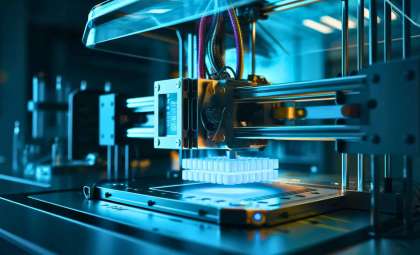
While 3D printing has already contributed to customizing prosthetics and repairing damaged tissues, fabricating a complex organ such as the penis represents a significant scientific achievement. The team employed an innovative bioprinting technique using hydrogel, a tissue-like material that supports cell growth and simulates human tissue mechanics.

The printed organ includes the vital anatomical structures—corpora cavernosa, corpus spongiosum, and tunica albuginea—essential for erectile performance.
Of particular note, the tunica albuginea—critical for maintaining erection—was replicated synthetically as artificial tunica albuginea (ATA). Made from polyvinyl alcohol, the ATA mimics the natural tissue’s elasticity and architecture effectively.
Addressing the Critical Challenge of Blood Circulation
One of the foremost obstacles was reconstructing the penile vascular system, necessary for swift blood inflow and rigidity. Proper blood circulation is crucial for implant functionality.
To overcome this, the researchers integrated endothelial cells—the lining cells of blood vessels—to develop a living vascular network within the tissue.
This vascularized design ensured sufficient blood supply, achieving functional erections. The study noted, “the erection of the penis returned to normal after suturing the ATA at the injured part, and the long-term prognosis was satisfactory.”
This confirms that artificial tissues can successfully replace natural function and paves the way for future human clinical applications.
Animal Trials Demonstrate Restoration of Sexual Function
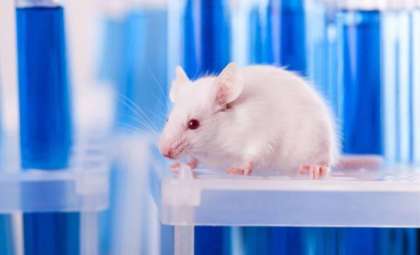
The team tested their bioprinted penile implants on Bama miniature pigs and rabbits with penile defects. The animals regained erectile capability and were able to mate and produce offspring, underscoring the implant’s effectiveness.
These outcomes indicate that bioengineered organs could soon benefit human patients, particularly those suffering from conditions like Peyronie’s disease, which impacts about five percent of men aged 40 to 70 years, causing painful, bent erections due to fibrous tissue.
Rapid Growth of 3D Bioprinting in Regenerative Medicine
The realm of 3D bioprinting is progressing swiftly, with technologies such as xolography—a light-driven printing method—enabling fabrication of living tissues. Scientists aim to print whole organs like kidneys, muscle tissue, and vascular systems, which could revolutionize transplantation.
The artificial tunica albuginea's biomimetic features also hold potential for repairing other mechanically stressed tissues, including blood vessels, intestines, corneas, bladders, tendons, and heart muscle.
Prospects for Bioengineered Sexual Health Solutions
This milestone heralds a future where personalized bioengineered implants restore function to millions affected by sexual health issues. However, ethical considerations, regulatory approvals, and further research are essential to ensure the safety and efficacy of these innovations.
The study, published in Nature Biomedical Engineering, brings regenerative medicine closer to clinical reality. Should human trials succeed, 3D-printed organs might soon transform treatment paradigms for congenital anomalies, injuries, and sexual dysfunction disorders.
For now, successful results in rabbits and pigs provide an exciting glimpse into a transformative medical future.
- Categories:
- Science









0 comments
Sign in to Comment