
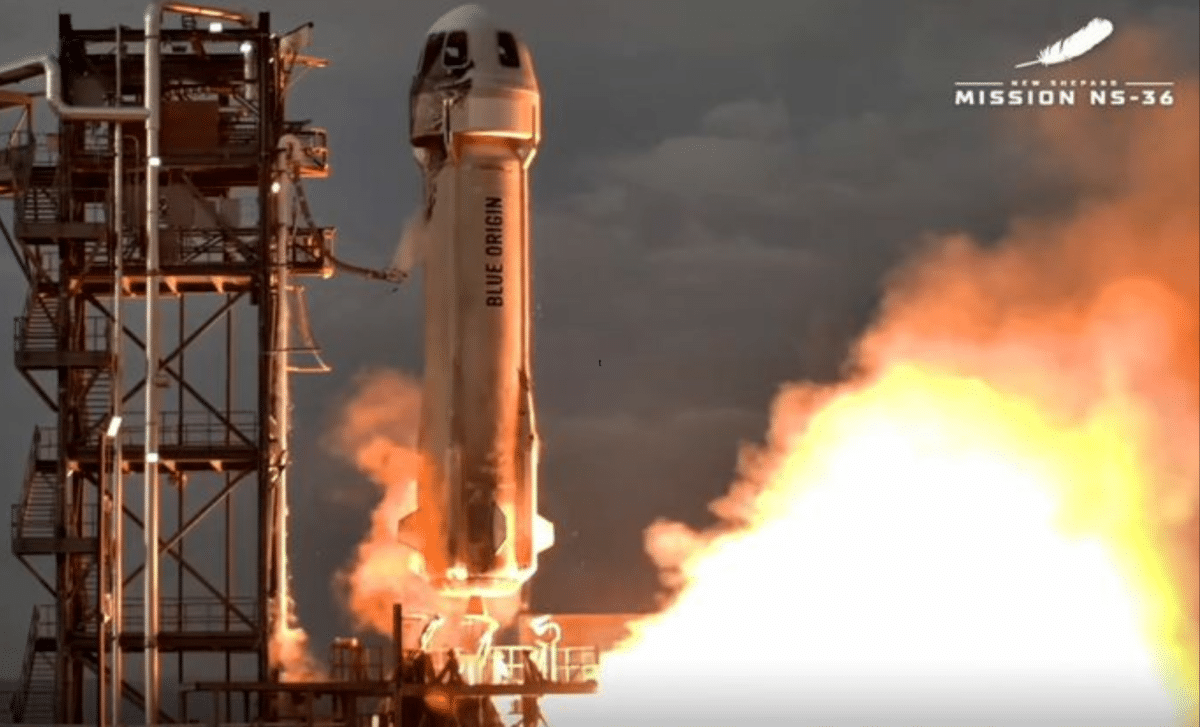
Blue Origin’s forthcoming NS-37 flight is set to create history by carrying the first wheelchair user ever into space. Michaela (Michi) Benthaus, a dedicated aerospace engineer working with the European Space Agency, will be among the six passengers embarking on this landmark mission. This event represents a milestone for making space travel more inclusive and expanding humanity’s reach beyond our planet.
Michi Benthaus: Breaking New Ground in Space Travel
Michaela Benthaus, who will take part in the Blue Origin New Shepard NS-37 launch, has demonstrated extraordinary perseverance despite the physical challenges she faces. Following a spinal cord injury in 2018 which limited her mobility, Benthaus’s enthusiasm for space exploration has only grown stronger. Benthaus
“has dedicated her career to scientific collaboration for the advancement of interplanetary exploration,” as Blue Origin noted in their description of the NS-37 crew.
Add Cosmo Herald as a Preferred Source

Her path to space has been driven by an unwavering commitment to deepening our knowledge of the universe.
Prior to this significant flight, Benthaus gained a taste of microgravity during a parabolic flight in 2022 and further honed her astronaut skills in a two-week Mars analog mission in Poland in 2024. These prior experiences have built her physical and mental readiness for space travel, illustrating her resilience and her drive to push the limits of what is possible both personally and scientifically.
Advancing Inclusivity in the Era of Space Tourism
Michi Benthaus’s role on the NS-37 mission carries a profound message amid the rapidly evolving landscape of space tourism. As companies like SpaceX and Blue Origin open the doors to space for civilians, the field has mostly focused on able-bodied travelers until now, leaving many potential adventurers excluded.
Blue Origin’s initiative to include a wheelchair user signals a vital step toward fostering greater diversity and inclusion in aerospace. Benthaus’s flight paves a path that encourages other spaceflight providers to accommodate passengers with varying abilities, ensuring equitable opportunities in journeying beyond our atmosphere.
According to Space.com, this mission also demonstrates remarkable progress in the development of adaptive technologies. These innovations enable astronauts like Benthaus to participate fully and safely, demonstrating a future of space travel that is accessible to all, regardless of physical challenges.
Blue Origin’s Vision for Inclusive Space Travel
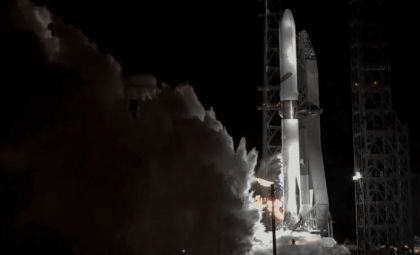
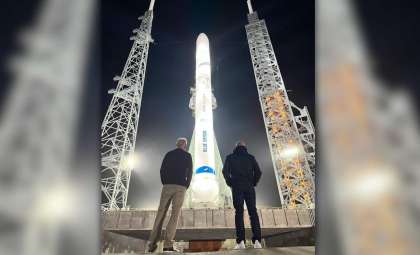
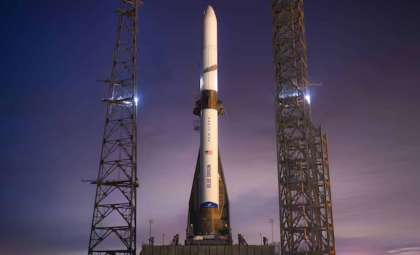
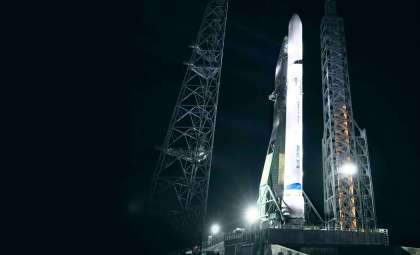
Founded by Jeff Bezos of Amazon, Blue Origin continues to push space tourism forward with its reusable New Shepard rocket. The NS-37 mission will mark the rocket’s 37th flight and stands out for its historic inclusion of a passenger with a disability. Having already flown 86 individuals on suborbital missions, Blue Origin’s decision to include Benthaus emphasizes the company’s growing dedication to expanding opportunities in space tourism.
The New Shepard operates as a suborbital spacecraft, crossing the Kármán Line at 62 miles (100 kilometers) above Earth—the recognized boundary of outer space. Each trip lasts about 10 to 12 minutes, offering passengers a fleeting yet extraordinary view of Earth and a brief period of weightlessness. For Benthaus and her fellow travelers, this mission promises an unforgettable experience that advances humanity’s pursuit of inclusive exploration.
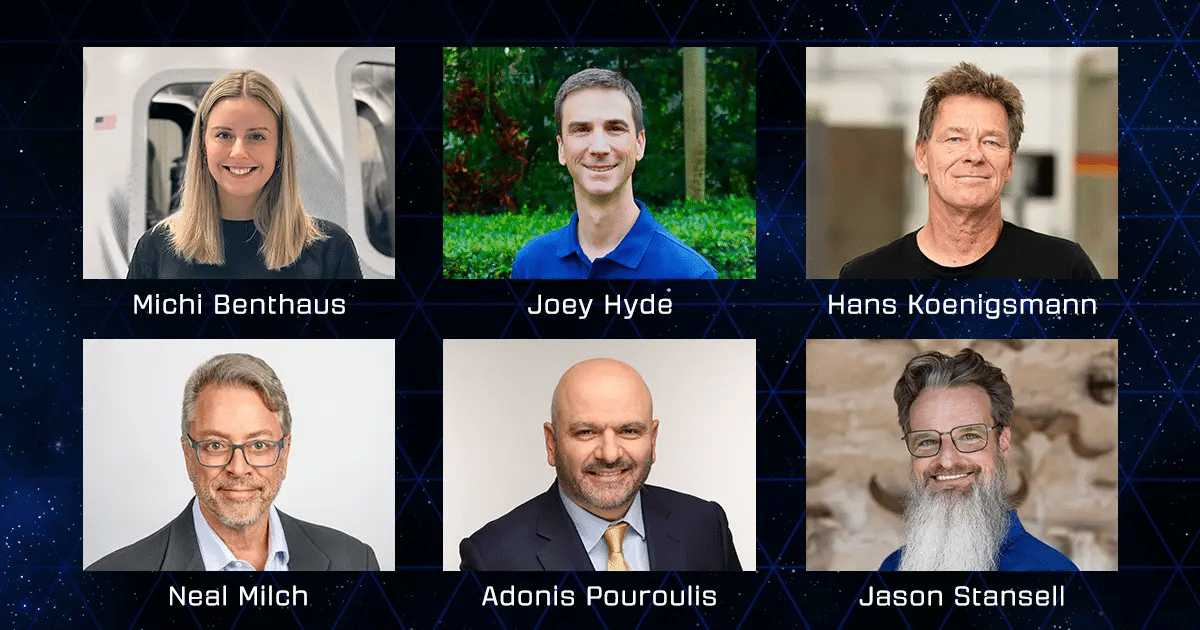
The NS-37 crew includes other notable figures such as ex-SpaceX engineer Hans Koenigsmann and philanthropist Adonis Pouroulis, each bringing their own perspectives to this journey. This diverse group embodies the new wave of private space travelers, with Blue Origin leading the charge to broaden participation in space adventures by overcoming previous limitations.
- Categories:
- Space






0 comments
Sign in to Comment