
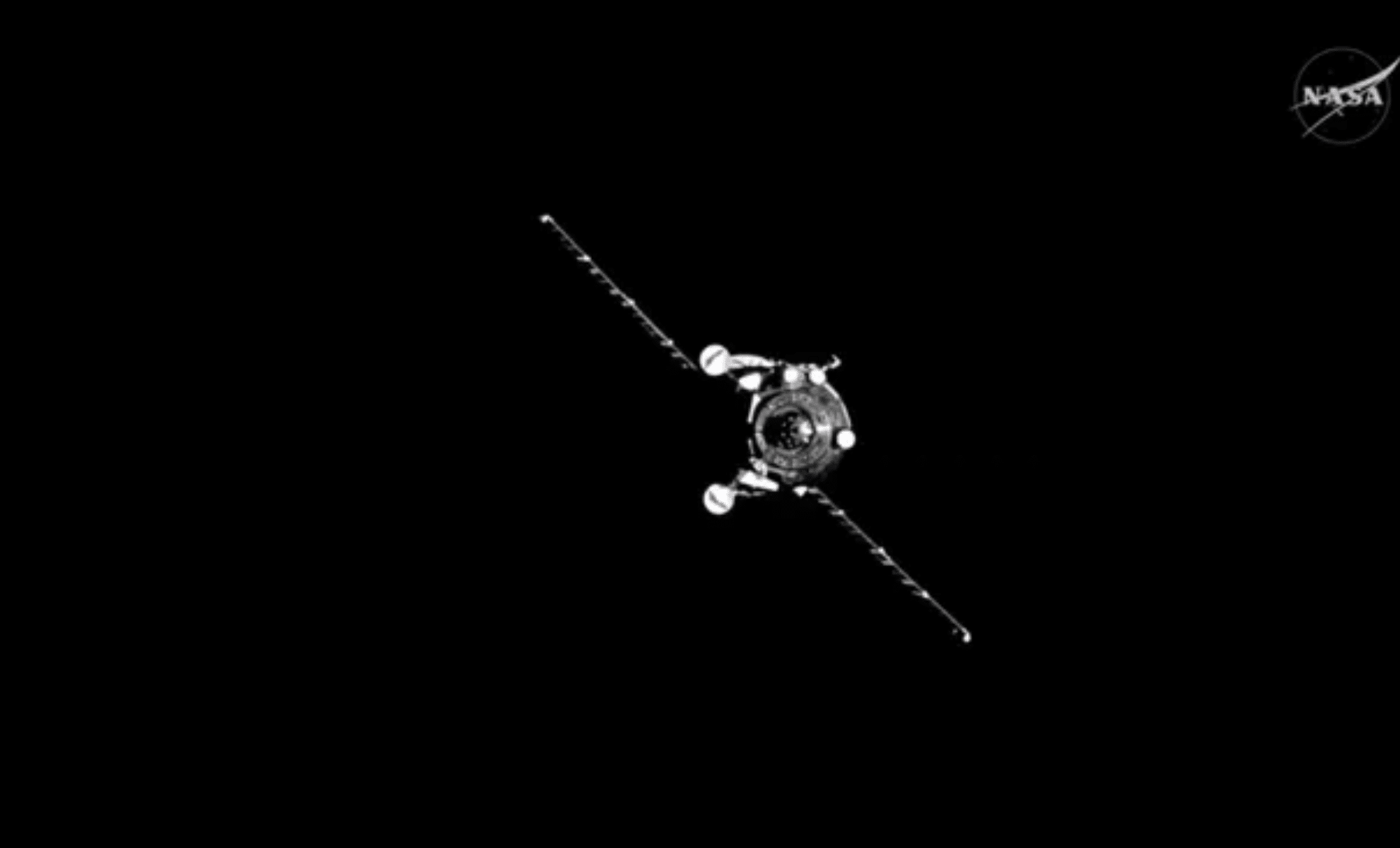
The Russian cargo spacecraft Progress 93 successfully docked at the International Space Station (ISS) on September 13, 2025, delivering approximately 2.8 tons of essential provisions to support the orbiting outpost. This mission continues the dependable resupply pattern maintained by the Roscosmos Progress fleet and plays a crucial role in sustaining the station during Expedition 73. Earlier reports from Space.com underscore the increasing complexity of cargo operations involving multiple docked spacecraft, including the soon-to-arrive Cygnus vehicle.
Details on Progress 93’s Launch and Docking
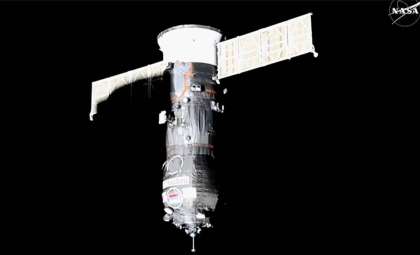
On September 11, Progress 93 launched aboard a Soyuz rocket from the Baikonur Cosmodrome in Kazakhstan. After a carefully planned two-day transit, it autonomously docked with the ISS’s Zvezda module. At docking, both spacecraft orbited about 260 miles (418 km) above northeastern Kazakhstan, a frequent ground track location for the station. The delivered cargo included a mix of life support essentials such as food, water, fuel, and crucial technical equipment, totaling roughly 2.8 tons—a standard yet vital load for sustaining ongoing station operations.
Progress missions are critical lifelines, especially when commercial resupply missions face delays or when crew activities intensify. Progress 93 will stay attached for about six months, providing additional storage and serving as a receptacle for waste. Upon mission completion, it will undock and perform a controlled destructive reentry over the Pacific Ocean, ensuring safe disposal of station refuse and freeing the docking port for future arriving vehicles.

ISS Harbor: Five Docked Spacecraft
The arrival of Progress 93 expands the ISS’s bustling traffic, bringing the total number of docked vehicles to five. These include two cargo spacecraft (another Progress and a SpaceX Dragon) alongside two crewed vehicles—a Soyuz capsule and NASA’s Endeavour Crew Dragon, currently serving the Crew-11 mission. This crowded rendezvous scenario exemplifies the intricate orchestration required to keep a constantly inhabited orbital station operational and highlights the complexities of international space partnerships.
The station’s modular design accommodates this busy traffic, with each spacecraft fulfilling unique roles: Crew Dragon ferries US and global astronauts, Soyuz transports Russian crew members, and cargo vessels like Progress and Dragon deliver lifesustaining supplies. Their regular rotations maintain the ISS’s functionality and ensure a continuous human presence in space.
Expedition 73: A Multinational Team in Orbit
The current ISS crew consists of seven astronauts and cosmonauts representing various agencies. NASA members include Zena Cardman, Mike Fincke, and Jonny Kim; the Japan Aerospace Exploration Agency (JAXA) is represented by Kimiya Yui; and Roscosmos crew members comprise Sergey Ryzhikov, Alexey Zubritsky, and Oleg Platonov. Expedition 73 is commanded by veteran cosmonaut Ryzhikov, with the other members serving as flight engineers.
The team handles station upkeep, scientific research, and logistics management—including unpacking and cataloging new cargo like that delivered by Progress 93. These shipments are critical for sustaining ongoing experiments, some reliant on perishable materials, and they also provide personal necessities that enhance crew well-being during long missions.
Next Steps: Cygnus Cargo Mission
Following Progress 93’s arrival, Northrop Grumman’s Cygnus spacecraft is scheduled for launch on September 14, with docking expected by September 17. This rapid succession of missions reflects the intensive pace of ISS operations. Cygnus’s flexibility has recently improved through compatible launches on both Antares and SpaceX Falcon 9 rockets, helping mitigate supply chain challenges.
With the ISS planned to operate through at least 2030, missions such as Progress 93 are key to maintaining station infrastructure and readiness for future endeavors like NASA’s Artemis lunar program, commercial orbital stations, and emerging in-orbit manufacturing projects. Each resupply contributes to the ISS’s sustained role as a hub for science and international collaboration in space.
Progress Missions: A Pillar of Russia’s Space Strategy
Beyond logistics, Progress cargo flights serve as a strategic affirmation of Russia’s sustained presence on the ISS amid ongoing geopolitical tensions. Space remains one of the few arenas of continued Russian-American cooperation, with Roscosmos’s steady cadence of Progress launches demonstrating its operational dependability.
These missions also validate Russia’s launch capabilities, increasingly significant as they compete with private companies like SpaceX, Blue Origin, and growing Asian space powers. Reliable delivery and long-term vehicle performance help solidify Roscosmos’s vital role in the station’s future, even as debates continue over the ISS’s long-term trajectory.
- Categories:
- News







0 comments
Sign in to Comment