
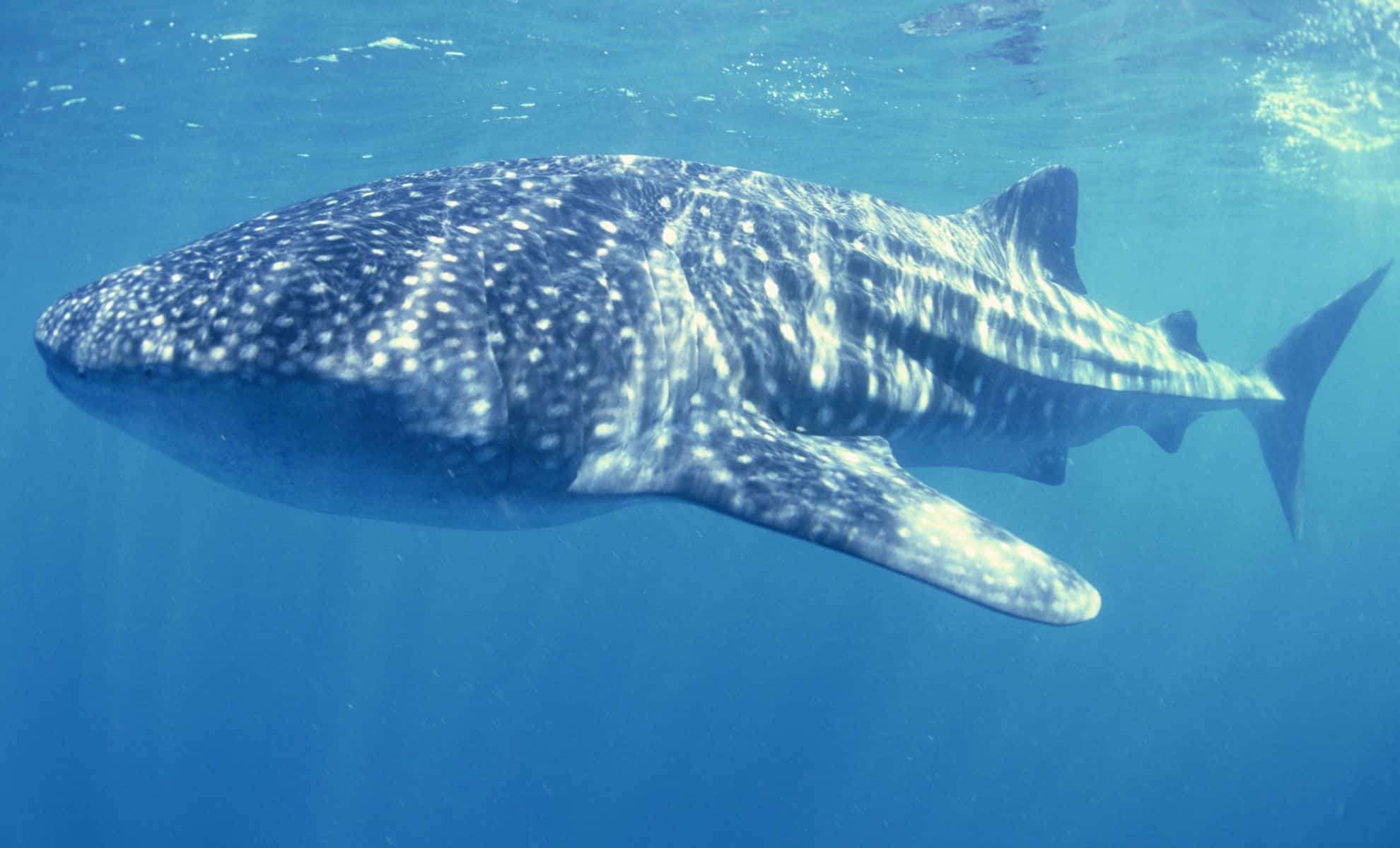
Enormous and mysterious, the Pacific Ocean continues to astound researchers with new discoveries. Recently, scientists encountered one of the largest whale sharks ever observed near the Pacific coastline. Detailed in an article from Animals Around the Globe, this extraordinary whale shark measured an astounding 60 feet, significantly exceeding the average length of 18 to 33 feet commonly seen among these gentle giants. This rare observation has sparked considerable interest among marine scientists, providing fresh insights into their ecological significance.
A Remarkable Whale Shark Encounter Ushers New Insights in Marine Science
The recent observation of a gigantic whale shark in Pacific waters represents a breakthrough moment for marine research. While extensive studies have examined whale shark migration and feeding behaviors, the presence of such a colossal individual remains exceptionally unusual. The 60-foot specimen far surpasses conventional size records, granting researchers an unprecedented chance to deepen their understanding of these elusive ocean titans.
These magnificent sharks are distinguished by their distinctive checkerboard patterns of spots and stripes, which serve as natural identifiers for scientists tagging and tracking them. Such unique markings enable detailed monitoring of their habits and movements. A whale shark of this magnitude promises valuable data on their growth, seasonal travels, and feeding ecology, expanding knowledge about these vast marine inhabitants.

Whale Sharks: Ocean’s Gentle Colossi
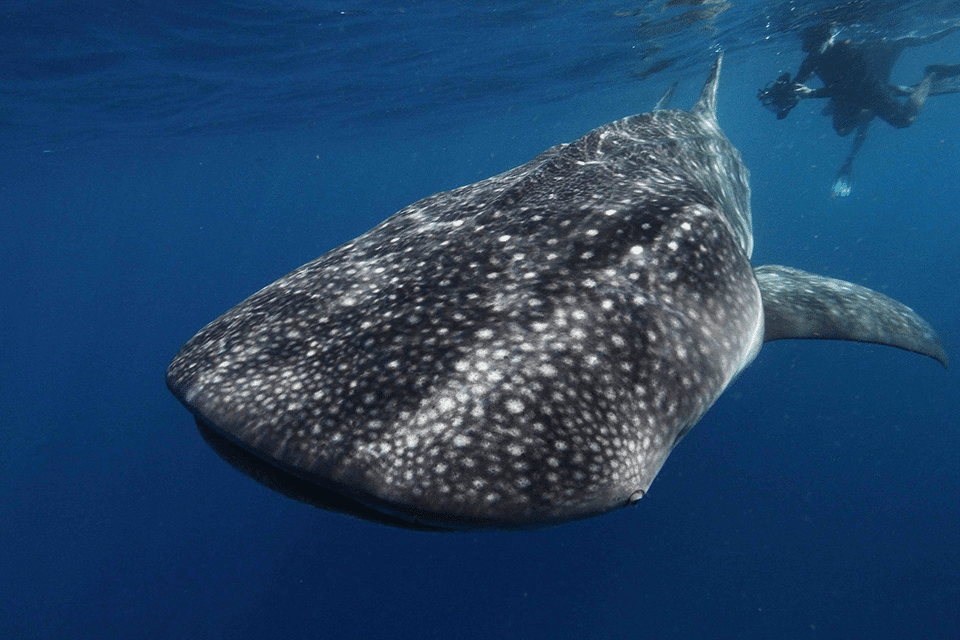
Despite their gargantuan bodies, whale sharks are surprisingly mild-natured creatures. They subsist primarily by filtering plankton, krill, and tiny fish from the water, posing no danger to humans. Because of their peaceful demeanor, they are popular among divers and wildlife enthusiasts lucky enough to witness their elegance. While many whale sharks grow upwards of 40 feet, some individuals can exceed 60 feet, as shown by the recent sighting.
Holding the title as the largest fish species on Earth, whale sharks overshadow even great white sharks in size. Unlike predatory sharks, they feed exclusively on some of the ocean’s smallest lifeforms via continuous filtration, swimming with their mouths agape to capture massive volumes of water and tiny prey. Their calm, slow-paced swimming contrasts with their immense scale, making them one of the ocean’s most captivating species.
Whale Sharks’ Vital Role in Ocean Ecosystems
Whale sharks contribute critically to marine ecosystem balance. By consuming large quantities of plankton, they help control populations of these tiny organisms, preventing imbalances that could disrupt the food chain. This filtration promotes stable oceanic food webs and supports ecosystem health. Their feeding further facilitates nutrient recycling, which benefits countless marine species.
Beyond their role in trophic regulation, whale sharks aid marine habitats by circulating nutrients through their movements. This nutrient redistribution supports biodiversity in coral reefs and related environments. Their presence helps sustain vibrant and diverse ocean communities, underscoring their ecological importance.
Unraveling the Migration Patterns of Whale Sharks
Whale sharks embark on extensive journeys across oceans, yet much remains unknown about their migration. These giants are thought to travel thousands of miles to reach plankton-rich feeding zones, but the precise routes and triggers for these travels remain poorly understood.
Advances in tracking technology, including satellite tagging and GPS, have yielded new discoveries about their migration. These tools reveal that whale sharks traverse multiple ocean regions, such as the Gulf of Mexico, the Philippines, and the Maldives. Gaining a better grasp of their migratory habits is essential for creating effective protection measures and ensuring their long-term survival.
Threats to Whale Sharks: Overfishing, Pollution, and Habitat Decline
Despite their size and majesty, whale sharks face mounting risks that jeopardize their futures. A major threat comes from bycatch in fisheries, where slow-moving whale sharks can become unintended victims. Additionally, their meat, fins, and liver are sought after in some regions, which contributes to population declines.
Pollution represents another critical hazard. Marine debris, especially plastics, can disrupt feeding and harm health. Moreover, destruction of key coastal habitats—where whale sharks breed and feed—poses severe challenges to their populations. These predators depend on well-functioning ecosystems, so habitat degradation has serious consequences.
Conservation Initiatives to Safeguard Whale Sharks
International efforts are vital for the protection of whale sharks. Establishing marine protected areas (MPAs), where fishing and disruptive activities are controlled, offers safe environments for feeding and migration. Such measures are a cornerstone for conservation strategies aimed at preserving these animals.
Countries like the Philippines and the Maldives, known for frequent whale shark encounters, have implemented fishing restrictions and protective zones to aid their survival. Conservation groups also play key roles by raising awareness, promoting sustainable tourism, and advocating for stricter fishing laws to protect these ocean giants.
- Categories:
- News











0 comments
Sign in to Comment