
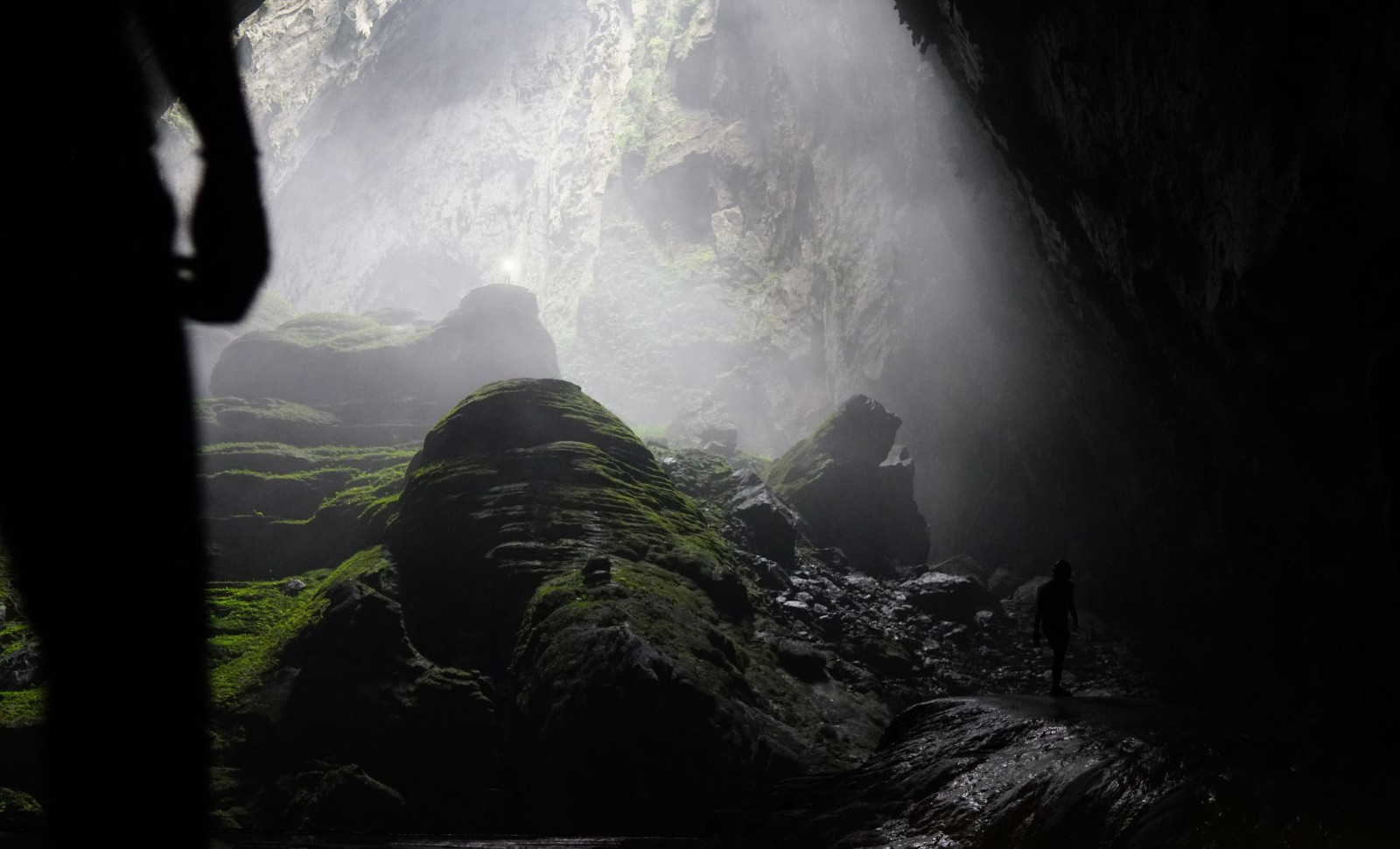
Sơn Đoòng Cave remained concealed beneath the thick jungle of Vietnam for millions of years until a solitary explorer accidentally found it and then lost track of its location for nearly 17 years. Its eventual rediscovery unveiled the immense underground cavern, now recognized as the world's largest cave.
In the early 1990s, a local hunter seeking agarwood stumbled upon a vast cave entrance deep in the forest. At that moment, it was just a mysterious and imposing natural sight, with no immediate exploration undertaken.
It took a combination of time and collaboration with an international team of cavers before the site was pinpointed again. Once found, the cave revealed a hidden realm that had remained pristine for millions of years.

Unexpected Find in Vietnam’s Quảng Bình Province
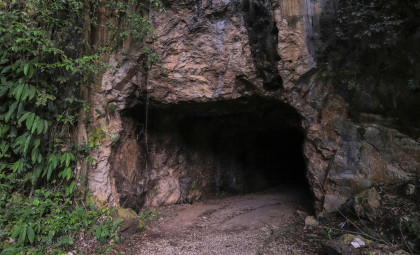
During December 1990, Hồ Khanh was navigating the forests of Quảng Bình when heavy rain forced him to seek shelter. As he paused, he noticed a powerful gust of cold air and mist flowing from a large cave entrance. His story, shared with IFLScience, described being captivated yet cautious by this 'dragon’s breath' phenomenon.
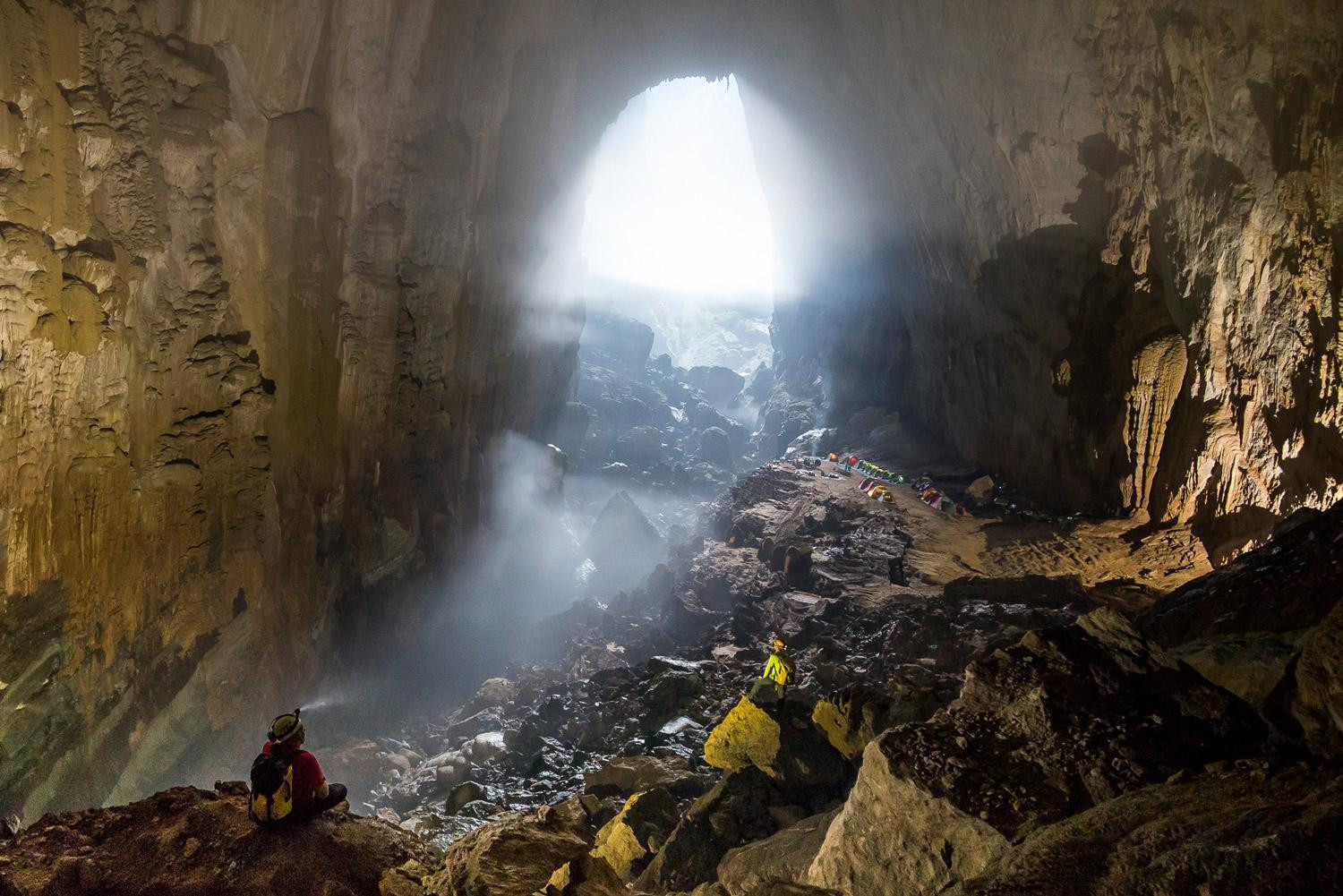
The overwhelming presence of cold air emanating from the cave’s mouth suggested incredible size and potential hazards. Although Khanh, skilled in jungle expeditions for agarwood, decided not to venture inside at the time, the discovery stayed with him.
Lost for Nearly Two Decades
Khanh never recorded the exact spot, and the cave’s location soon faded from memory. It wasn’t until years later that he met Howard Limbert of the British-Vietnam Caving Expedition Team, who persuaded him to help relocate it. An initial search in 2007 was thwarted by the thick and challenging jungle terrain.
Phong Nha-Kẻ Bàng National Park is known for its dense undergrowth, treacherous rock formations, and sudden flooding, creating tough conditions for explorers. In 2008, Khanh journeyed alone and after an extensive search, successfully pinpointed the cave entrance and marked it for future explorers.
An Underground Giant Unearthed
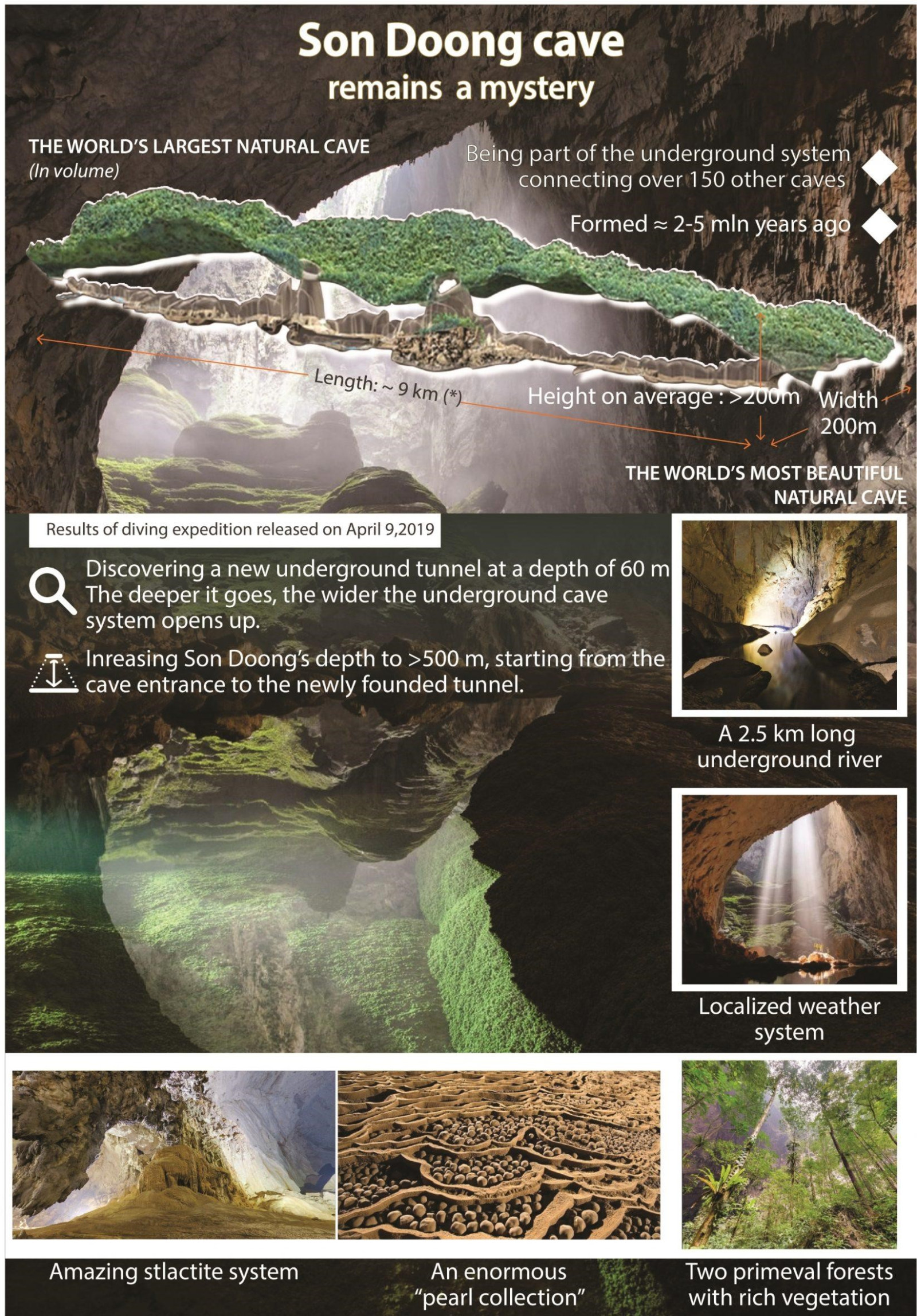
By 2009, the expedition team, joined by Khanh and researchers from the Hanoi University of Science, began a comprehensive exploration of Sơn Đoòng. Their report, accessible through ResearchGate, confirms the cave’s staggering size with an estimated volume of 38.4 million cubic meters, making it the largest known cave on the planet.
The cavern stretches nearly 9 kilometers in length and boasts some chambers as wide as 198 meters — large enough to accommodate a Boeing 747. Natural sinkholes in the ceiling permit sunlight to illuminate certain areas otherwise cloaked in darkness.
Formed between two and five million years ago by water erosion acting upon limestone, Sơn Đoòng dates back to the Pliocene or late Miocene epochs. Inside, one of the most stunning features is the "Hope and Vision" stalagmite, a towering structure approximately 70 meters high. A CBS’s 60 Minutes episode highlighted that much of the surrounding national park remains unexplored, indicating there are likely more remarkable discoveries ahead.
- Categories:
- News



0 comments
Sign in to Comment