
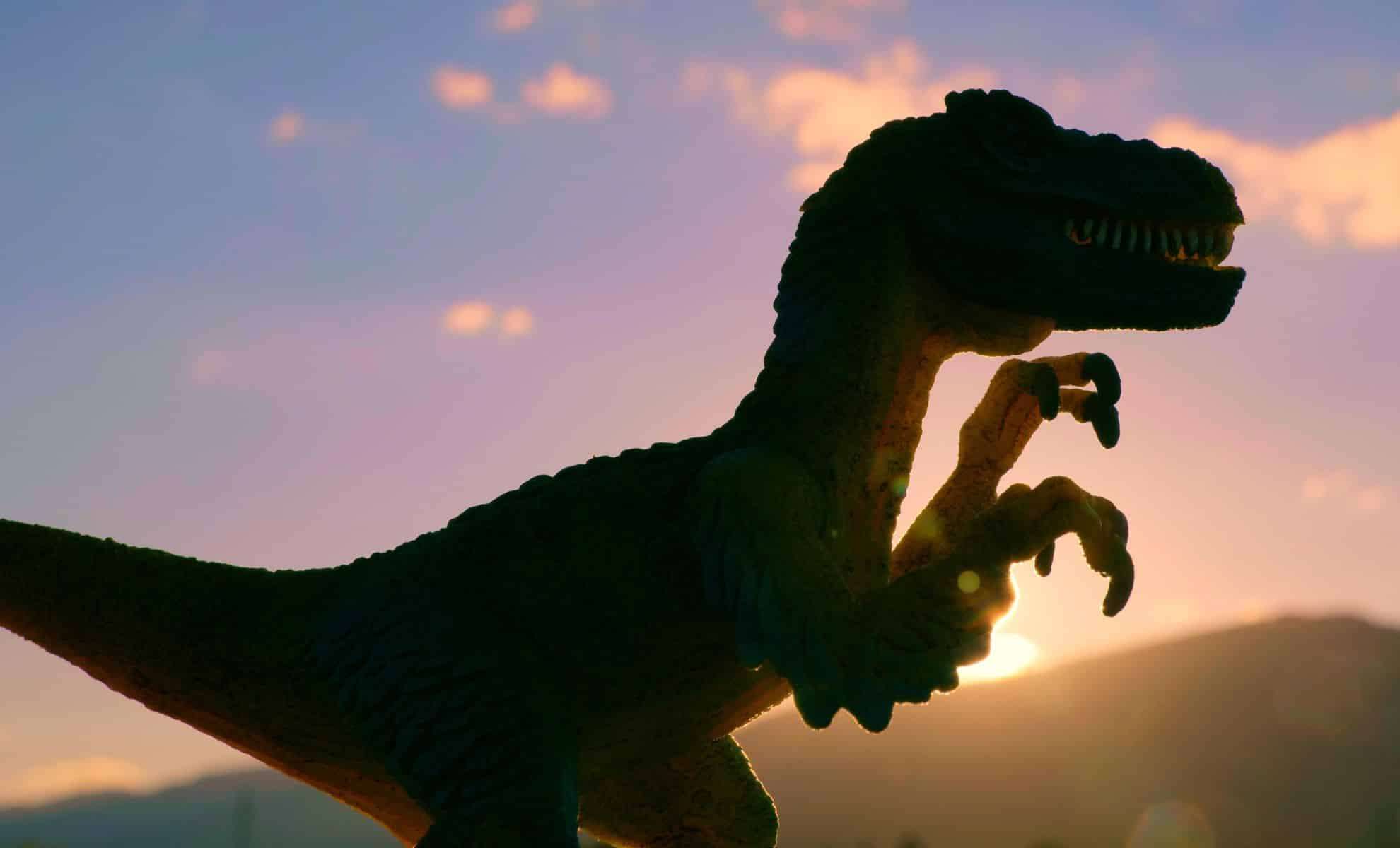
A 225-million-year-old leg bone found in Africa is reshaping scientific views on how early dinosaurs evolved. This fossil, belonging to a group called silesaurs, challenges previous assumptions about the size and development of the earliest dinosaur relatives.
Rediscovering a Long-Neglected Fossil
Originally excavated in 1963 in modern-day Zambia by British researchers focused on mammal-like reptiles, the fossil was largely ignored and stored away at the Natural History Museum in London for over five decades. It remained unnoticed until the 2010s, when a reevaluation revealed it as one of the oldest known silesaur specimens — a reptile group identified only recently, around 2010, that lived between 240 to 200 million years ago. This identification has helped clarify the appearance and traits of early dinosaur relatives.
Revisiting Early Dinosaur Size Estimates
Lead researcher Jack Lovegrove, a doctoral candidate, points out that the size of the femur contradicts the common belief that the earliest dinosaurs were small. Instead, this evidence implies that some of the first dinosaurs or their closest kin were significantly larger than once thought.

This discovery suggests a new evolutionary scenario where early dinosaurs may have started out relatively large, with certain groups decreasing in size through evolutionary time. Future finds of fossils with comparable dimensions could revolutionize the way scientists interpret dinosaur growth and adaptation during the Triassic period.
New Insights into Reptilian Evolution
The classification of silesaurs continues to be debated. Some experts view them as close but distinct relatives of dinosaurs, while others consider them early dinosaurs themselves. This fossil adds complexity to this debate, suggesting the evolutionary journey from early reptiles to dinosaurs was more intricate than previously assumed.
The renewed study of this overlooked specimen highlights the potential hidden within museum archives. As Lovegrove emphasized, this single bone, "tucked away for more than 50 years," has profoundly influenced our comprehension of dinosaur origins, demonstrating how even forgotten fossils can unlock major scientific breakthroughs.
Expanding Knowledge of Prehistoric Lifeforms
This discovery complements recent research proposing that certain dinosaurs could regulate their body temperature, possibly making them the earliest warm-blooded land reptiles. Combined, these findings reveal a more complex and dynamic evolutionary history than once appreciated.
Each fossil discovery or reexamination adds depth to the narrative of dinosaur evolution. The ancient bone from Zambia is a testament to the vast number of prehistoric secrets still waiting to be uncovered through careful analysis.
- Categories:
- News





0 comments
Sign in to Comment