
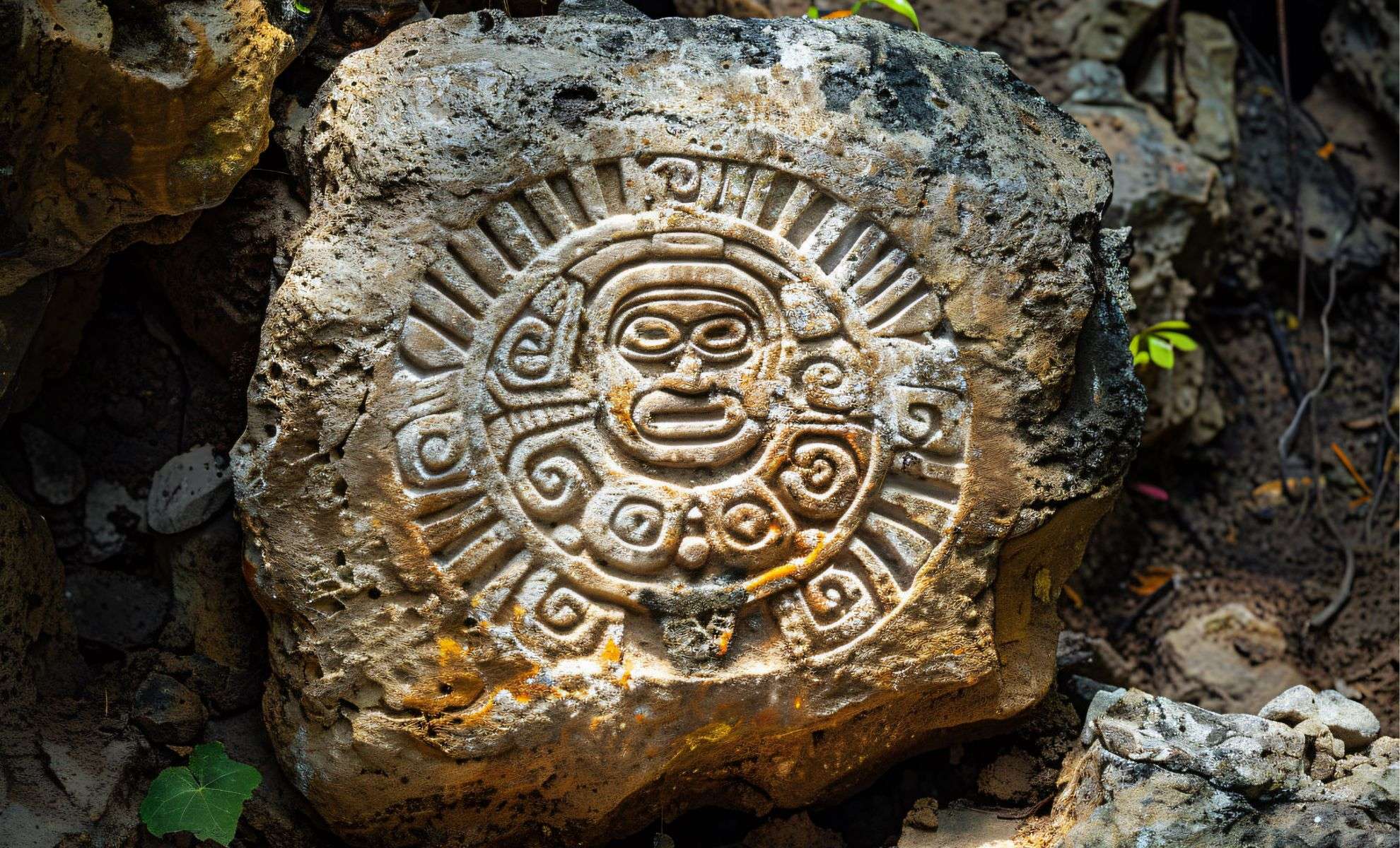
In the thick jungles of northern Guatemala, researchers have identified an ancient Maya settlement dating back almost three millennia. This significant find, revealed by Guatemala’s Ministry of Culture and Sports, highlights one of the earliest major ceremonial hubs of the Maya in the region. The site, called Los Abuelos—meaning “The Grandparents” in Spanish—is situated roughly 13 miles (20.92 km) from the renowned archaeological location of Uaxactun, within the Petén area close to the Mexican frontier.
An Ancient City Where Rituals and Urban Planning Converged
Covering about 16 square kilometers, this newly discovered city belongs to the Middle Preclassic era, spanning roughly from 800 to 500 BC. According to the Ministry, the site ranks among the oldest and most significant ceremonial centers of the Maya civilization here in Central America. Excavations have uncovered an impressive city design featuring pyramids, celestial observatories, and monuments with artistic motifs distinctive to this region.
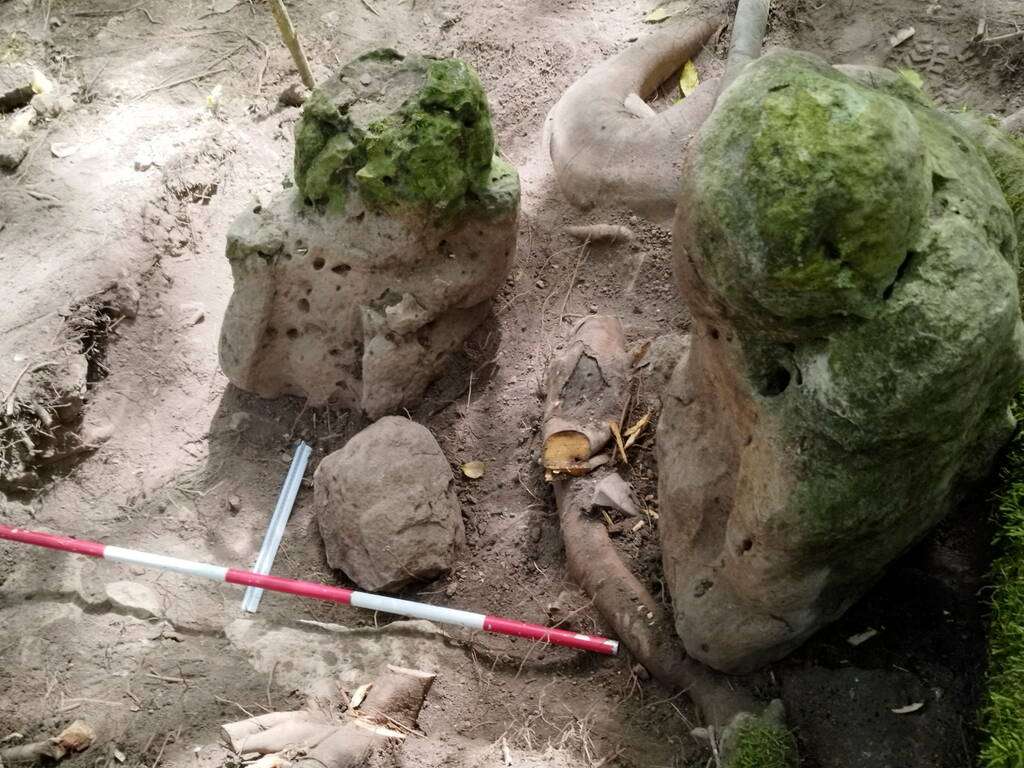
Among the findings are two human-shaped sculptures believed to depict an ancestral pair. These artifacts, dated between 500 and 300 BC, "may be associated with ancient ancestral worship rituals," stated the Ministry. Their discovery enriches the understanding of early Maya religious traditions during a formative cultural phase.

Formation of an Urban Network and Intriguing Waterway System
In addition to Los Abuelos, archaeologists identified two nearby sites forming a novel triangular urban complex. The first, Petnal, boasts a 33-meter-tall pyramid adorned with Preclassic period murals. The second, Cambrayal, is notable for an unusual canal network thought to have facilitated water navigation.
Officials from the Ministry of Culture highlighted that, “these three locations together compose an unprecedented urban triangle” offering new perspectives on the ceremonial and political landscape of ancient Petén societies. The presence of the canal infrastructure demonstrates sophisticated urban design and hydraulic knowledge among the early Maya.
Perspectives from the Archaeological Team
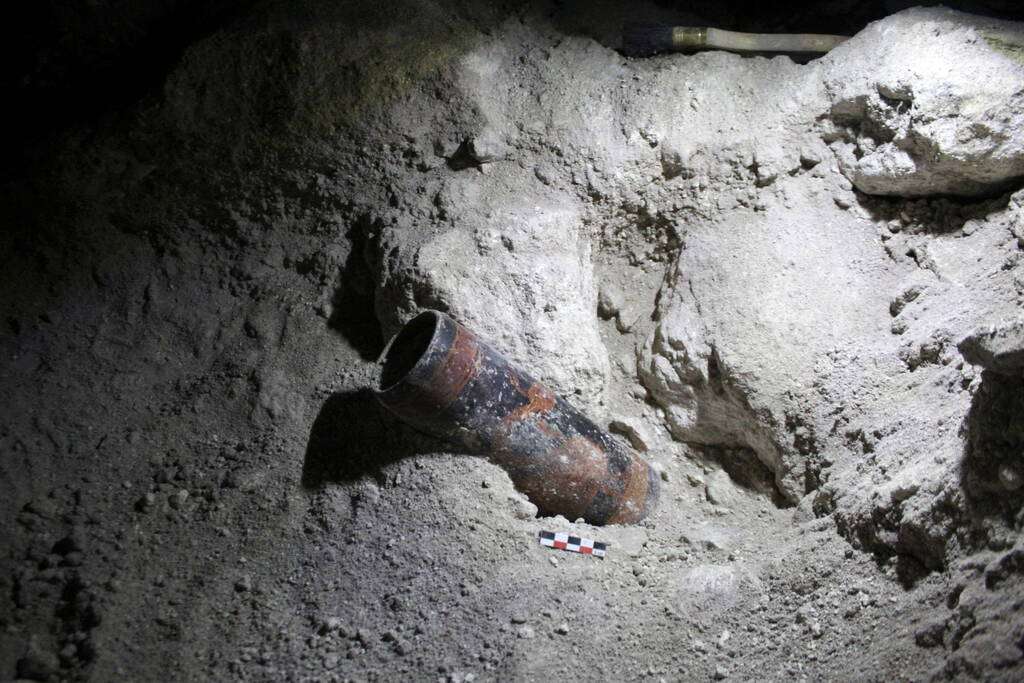
Project leader Slovak archaeologist Milan Kovác shared that initial explorations began in 2023 and have expanded this year to deepen insights into the site’s timeline and cultural importance. Deputy director Dora Garcia emphasized the significance of the findings, stating, “The abundance of artifacts and data is invaluable for piecing together Petén’s Maya heritage.” She described the work as completing “an important segment of the larger historical puzzle.”
The Maya civilization, flourishing from at least 2000 BC to the apex of the Classic era between 400 and 900 AD, spanned regions that now include southern Mexico, Guatemala, Belize, El Salvador, and Honduras. The unearthed Los Abuelos site provides critical new context on the early development of this influential culture, renowned for innovations like the concept of zero, a complex hieroglyphic script, and advanced calendrical systems.
- Categories:
- News









0 comments
Sign in to Comment