
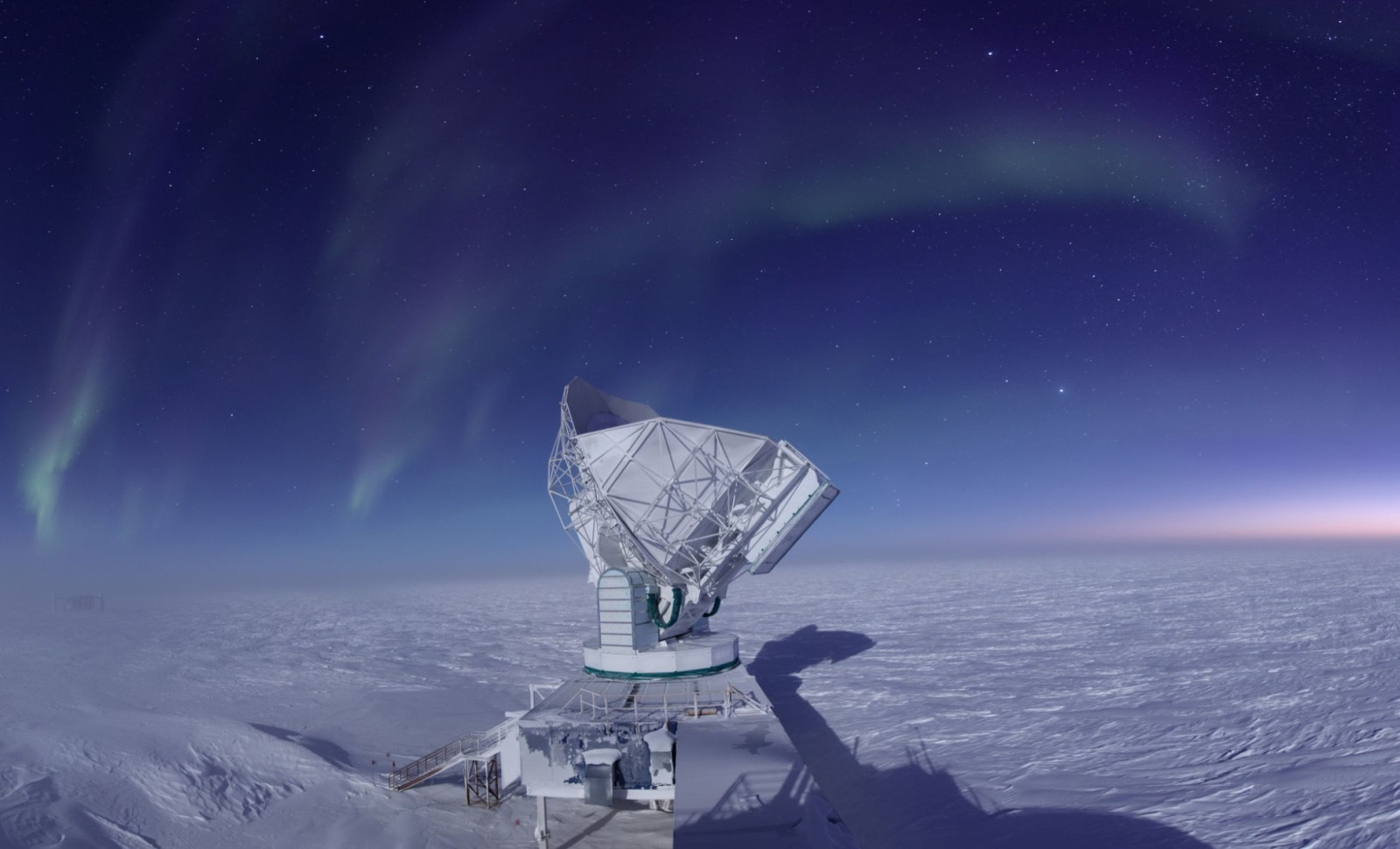
The South Pole Telescope (SPT) has revealed two brief, intense flares stemming from accreting white dwarfs close to the heart of our galaxy, marking an unprecedented detection at millimeter wavelengths. These transient bursts were discovered during routine surveys of the Galactic Plane, demonstrating how wide-field scans can unveil fleeting astronomical phenomena without prior targeting.
Published in The Astrophysical Journal, these results are reshaping our understanding of millimeter-wave observations and advancing the field of time-domain astrophysics.
Unexpected Flares Tracked Over a Two-Year Period
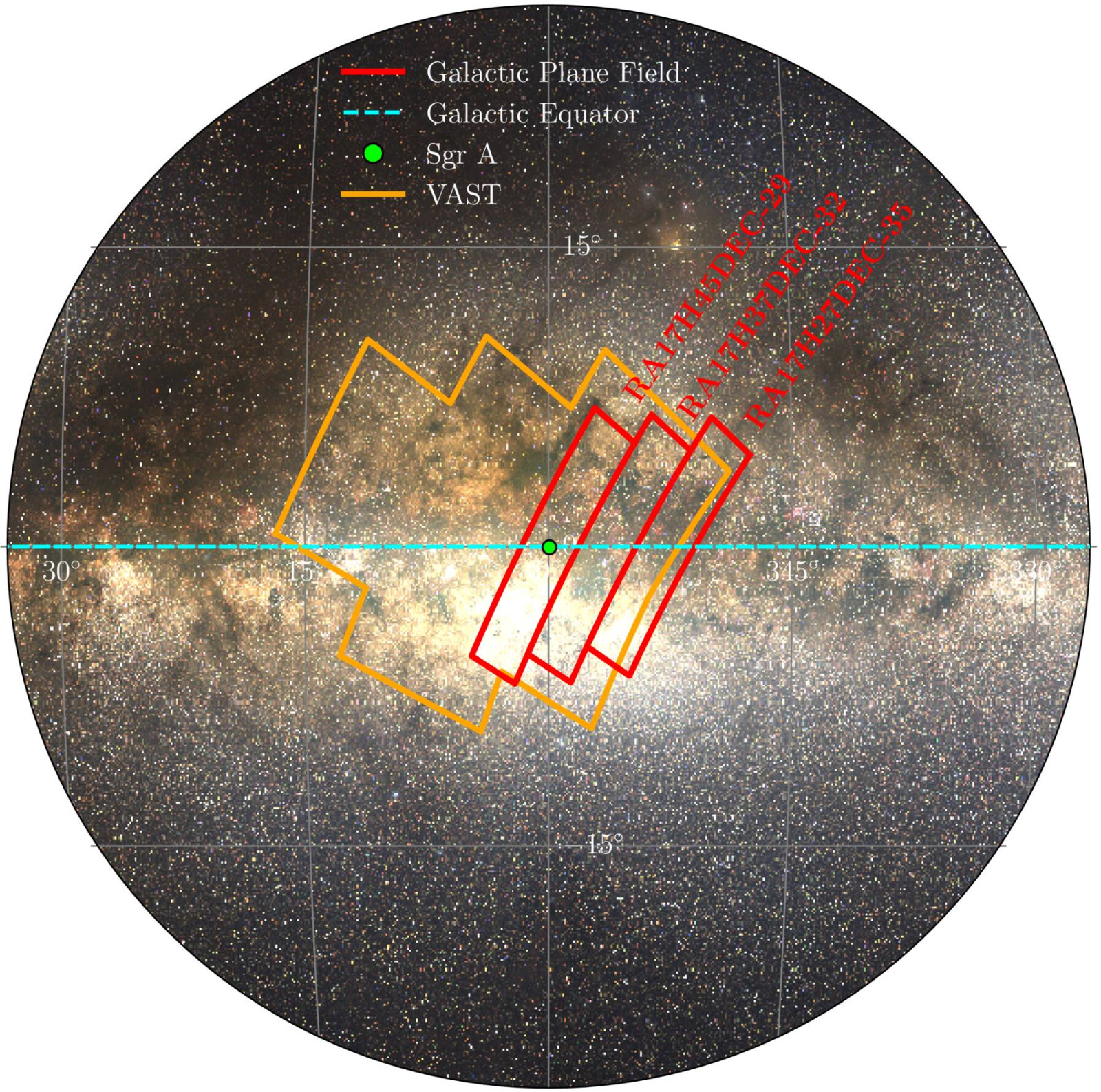
Initially designed for measuring the cosmic microwave background, the SPT was adapted for Galactic Plane observations using its SPT-3G camera. By systematically scanning extensive sky regions, researchers aim to detect variability on large scales. The study reveals two flares originating from established white dwarf binary systems observed during two years of survey data, a surprising discovery that captured scientific interest quickly.

Tom Maccarone, a physicist at Texas Tech University who contributed to the research, shared:
this kind of detection shows “a great example of the adage among astronomers that opening new windows on the universe produces new, unexpected, exciting results.”
One-Day Millimeter Flares Linked to Binary Systems
Lasting approximately 24 hours each, the flares emerged from previously identified binary systems where a white dwarf pulls matter from a companion star, forming an accretion disk of hot gas. Occasionally, this disk unleashes powerful energy bursts.
The team suggests these outbursts are caused by magnetic reconnection events akin to those that drive solar flares, though occurring under far more extreme conditions involving dense material and elevated energy levels. This detection represents some of the earliest observations of such phenomena in the millimeter spectrum, where transient events are still rarely spotted. Prior to this, flare-related variability was mostly observed in visible and X-ray wavelengths, not in the quieter millimeter range.
Importantly, the discovery was serendipitous, arising from regular, wide-area scans rather than focused monitoring. According to Maccarone, this method paves the way for identifying many more similar transient events, emphasizing that “we’ve only scratched the surface of what can be done.”
Energy Bursts Driven by Accretion Disk Dynamics
These observations contribute to increasing interest in how accretion disks function within compact binary star systems. As matter transfers from one star to its partner, the resulting disk can become unstable and erupt energetically, potentially explaining the observed flares.
For both flare events, sudden shifts in the magnetic field structure of the accretion disks likely released energy rapidly across multiple wavelengths. Though short in duration, these intense bursts place strong constraints on the size and configuration of the emitting regions, suggesting high-energy mechanisms are at play on small spatial scales.
Advancing the Galactic Plane Monitoring Program
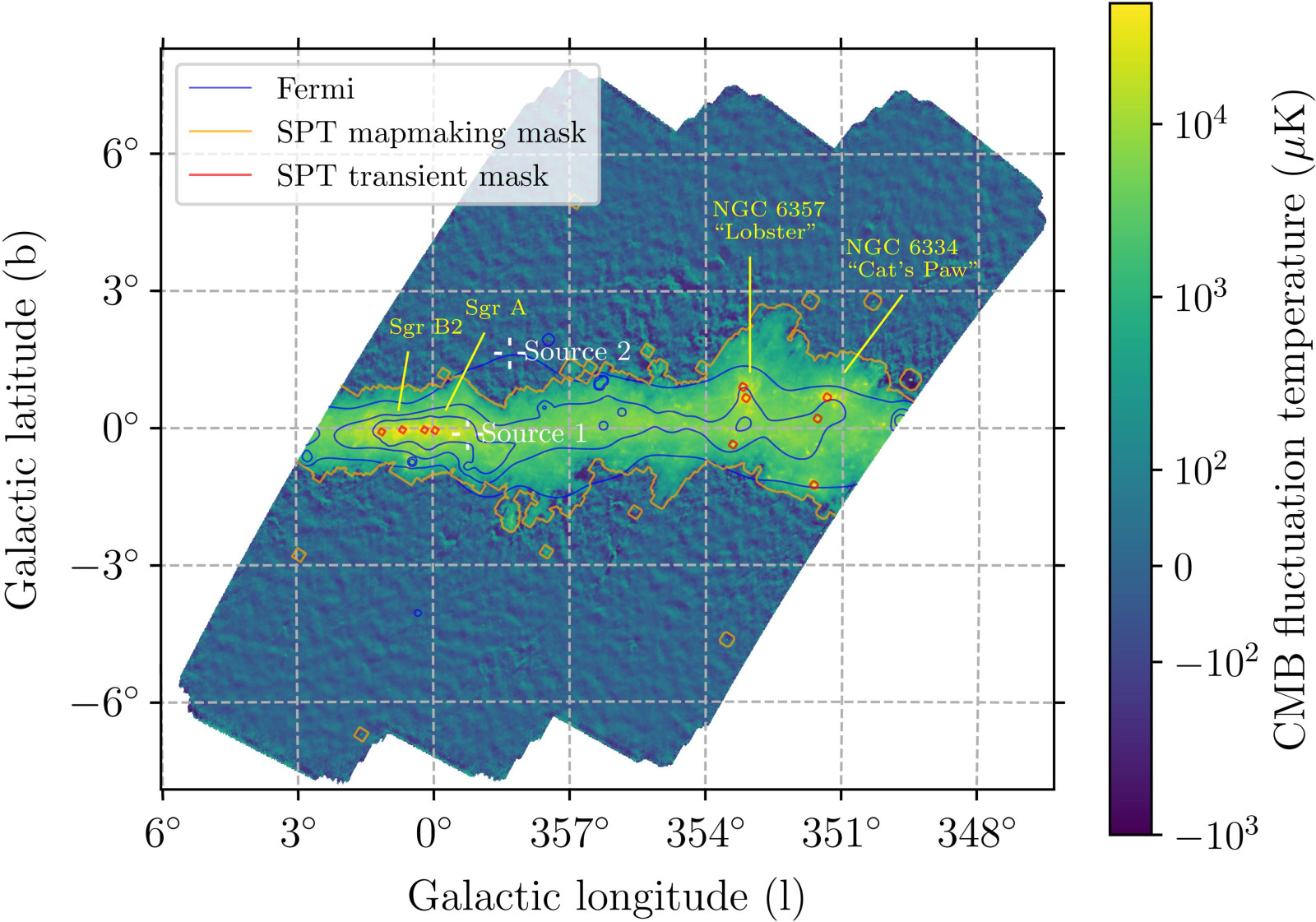
The ongoing SPT-3G Galactic Plane Survey collects data approximately one month annually, gradually building a detailed picture of variable phenomena near the galactic center. These millimeter-wave observations now reveal that this central region is far more dynamic than previously believed.
Led by University of Illinois Urbana-Champaign graduate student Yujie Wan, the research team developed specialized techniques to detect fast, transient events—rapid flares that appear and fade over hours or days. Their expanding time-domain dataset will enable deeper insights into the rapid processes occurring near the Galactic core.
- Categories:
- Space













0 comments
Sign in to Comment