
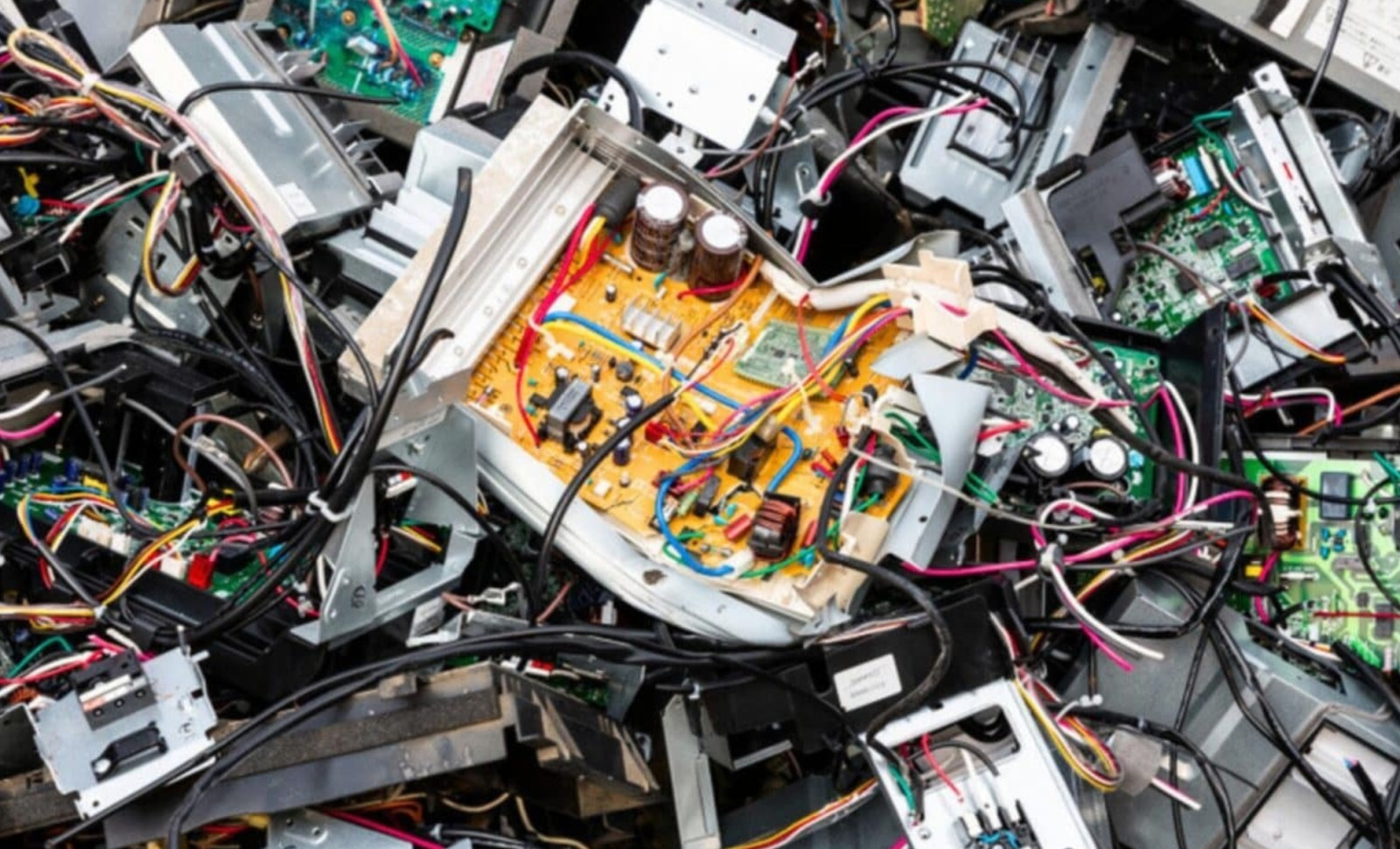
Beneath the complex network of circuits on an aged computer motherboard, thin gold traces once transmitted millions of signals every second. When discarded in landfills, these minuscule veins of precious metal become trapped beneath layers of plastic and fiberglass, making recovery costly and challenging for most recycling operations.
Recently, scientists have developed a novel way to extract that gold using a substance many discard down the drain: whey.
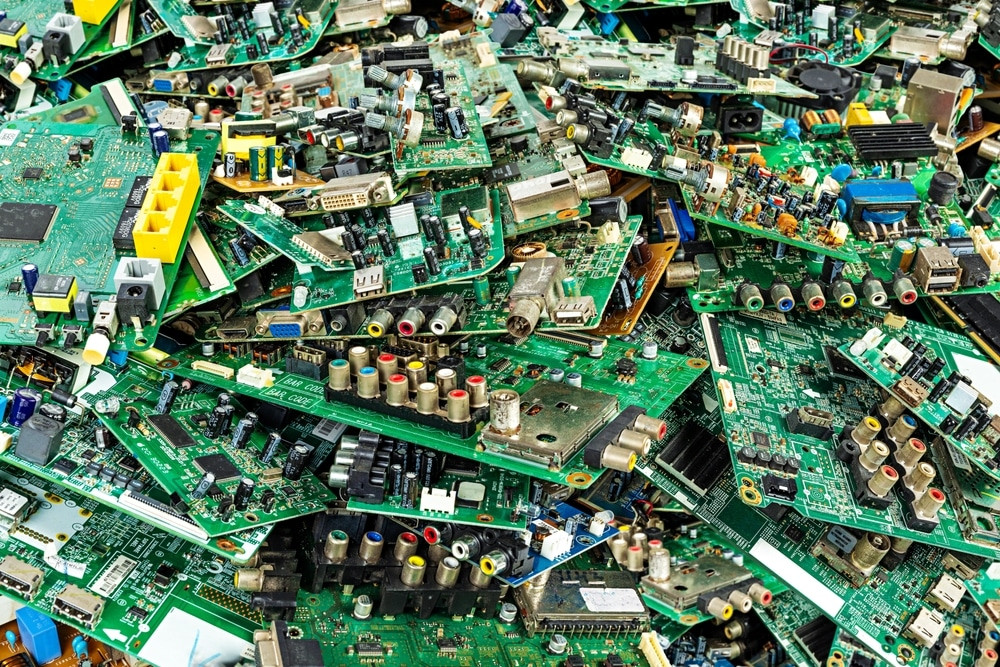
A research group from ETH Zurich processed 20 obsolete computer motherboards and successfully extracted a 450-milligram piece of 22-carat gold—approximately 91 percent pure with 9 percent copper. Their extraction technique required neither high-temperature furnaces nor harmful industrial solvents. Instead, they utilized a protein-based sponge derived from whey, the liquid leftover after milk is processed into cheese.

A Novel Sponge to Capture Gold Ions
Professor Raffaele Mezzenga and his team tackled a common hurdle in electronic waste recycling: modern circuit boards combine metals, plastics, and glass fibers into a hard composite. Usually, separating these materials involves shredding and melting at high temperatures, which consumes significant energy and generates toxic byproducts requiring careful disposal.
Seeking a cleaner alternative, they turned to whey, abundantly produced by the dairy industry during cheese making, much of which is considered low-value waste or animal feed.
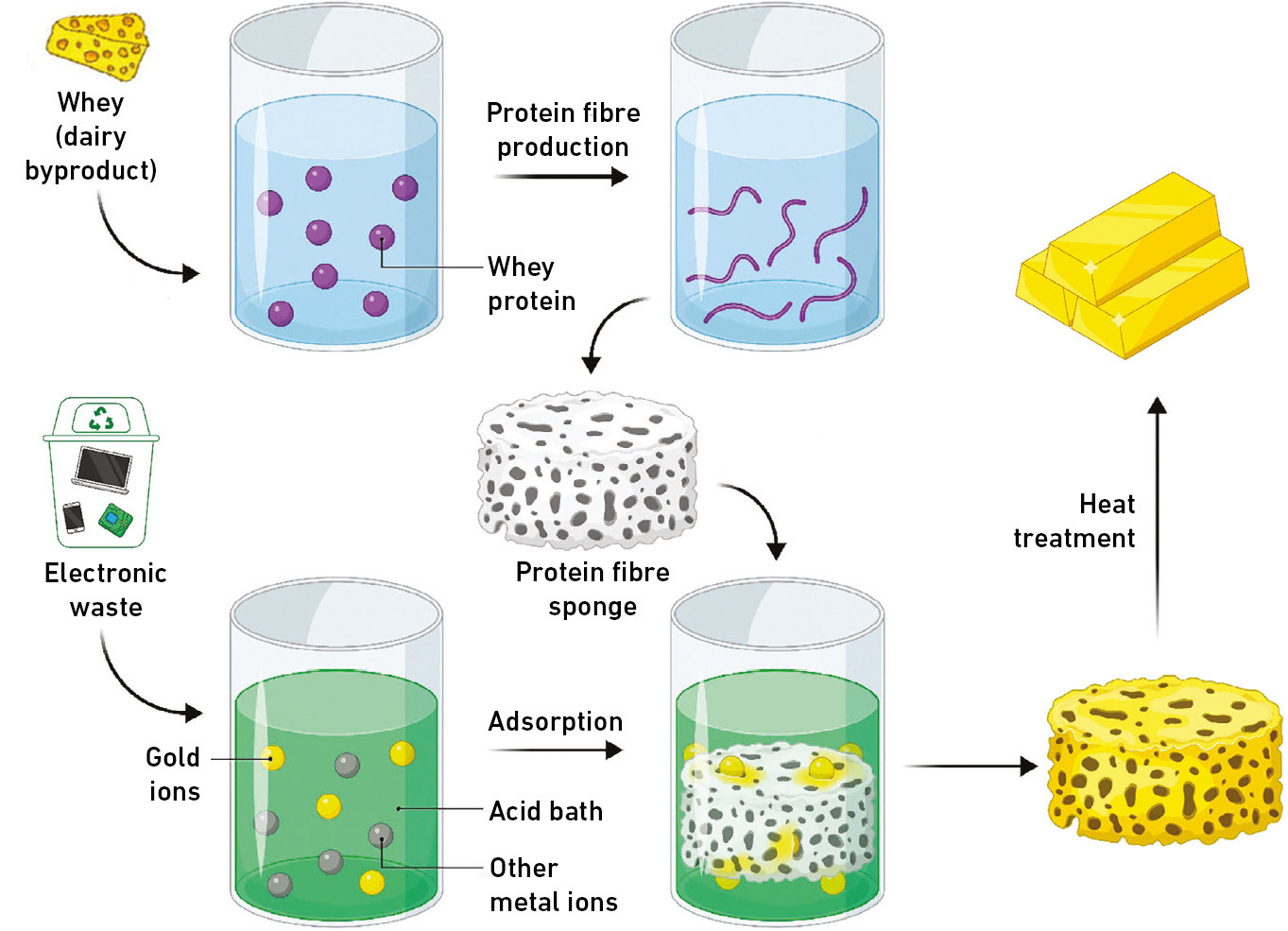
By heating whey proteins under acidic conditions, the researchers transformed them into tiny fibers known as amyloid fibrils. These fibers form a gel that, when dried, becomes a porous sponge with a vast internal surface, allowing it to efficiently bind dissolved metals. Their findings, published in Advanced Materials, show how this material selectively extracts gold ions while leaving behind copper, iron, and aluminum.
The metals from the motherboards were dissolved into an acidic solution, resulting in a mixture of gold, copper, iron, and aluminum ions. Introducing the whey protein sponge into this solution led to gold ions preferentially binding to the amyloid fibrils over the other metal ions.
Converting Gold Ions into Solid Metal
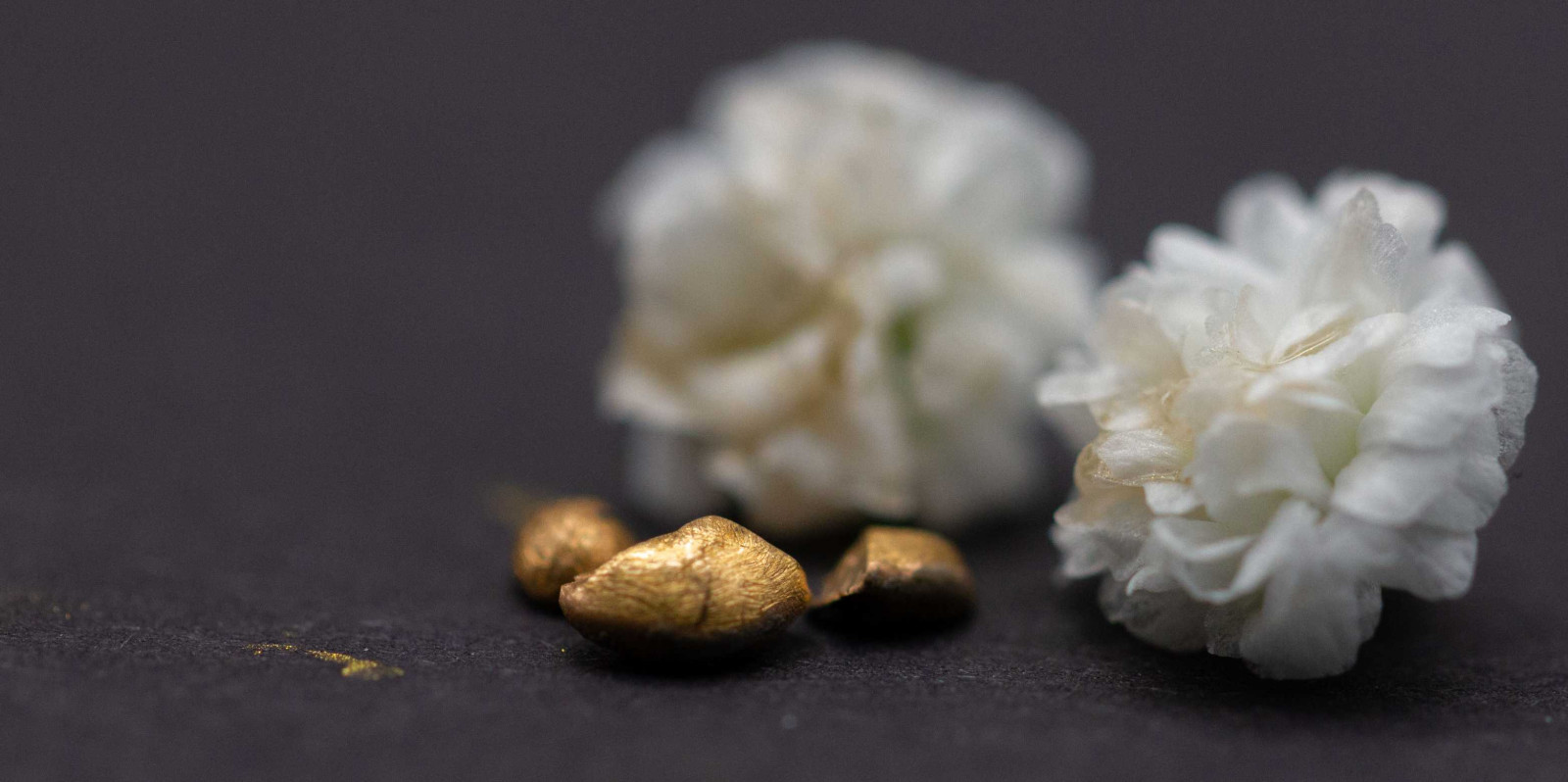
After the sponge absorbed the gold ions, the researchers heated it, causing the ions to reduce and form solid metallic gold particles on its surface. Combining these particles yielded the 450-milligram gold nugget.
This heating phase destroys the protein sponge, but the process remains economically viable. The cost of whey is approximately 50 times less than the recovered gold’s market price. “What excites me most is using a byproduct from the food industry to reclaim gold from electronic waste,” Mezzenga shared in an ETH Zurich news release.
Mohammad Peydayesh, the lead investigator, emphasized that the favorable cost-effectiveness could accelerate the method’s industrial adoption. Mezzenga added, “This technology is market-ready.”
Transforming Two Waste Streams Into a Valuable Commodity
This innovation bridges two unrelated industries: dairy and electronics recycling. Whey, usually discarded by cheese producers, becomes a resource for extracting precious metals from electronic components typically sent to landfills or incinerators.
“This is a remarkable example of sustainability,” Mezzenga commented.
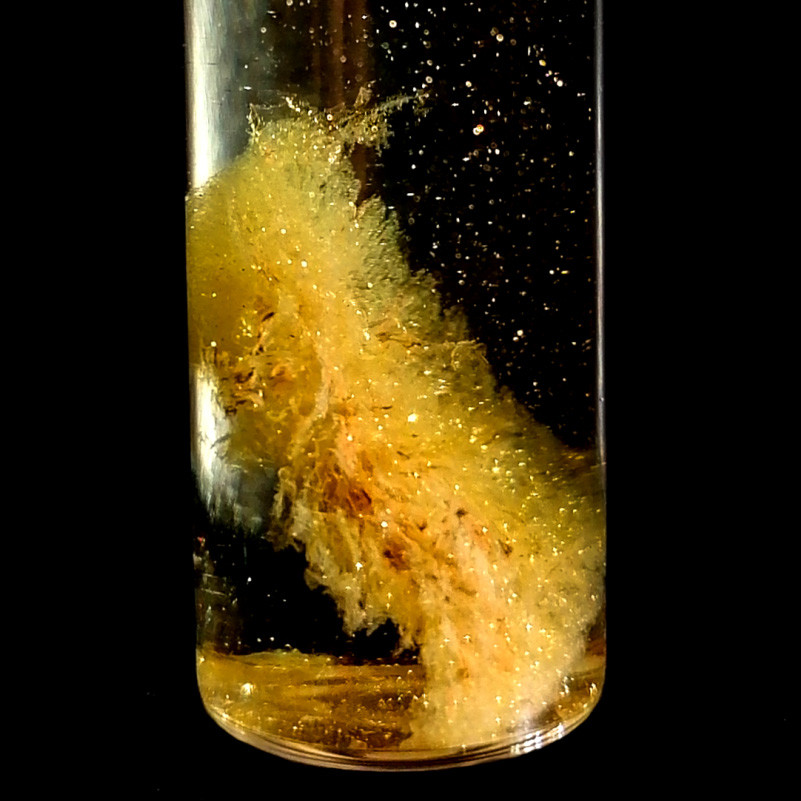
The study collected motherboards locally destined for disposal. These boards contained gold coatings applied during manufacturing to ensure electrical reliability. Though these gold layers are extremely thin, measuring just microns, their accumulation from 20 motherboards resulted in nearly half a gram of purified gold requiring no further industrial refining.
Next Steps: Targeting Platinum and Palladium
The team plans to explore whether their amyloid fibril sponge can be adjusted to capture other valuable metals like platinum and palladium, which are widely used in electronics and automotive catalytic converters. Since these metals behave differently than gold in solutions, modifying conditions such as acidity and temperature during sponge formation could tailor the material's affinity.
Additionally, the researchers aim to improve the acid dissolution process so the solution can be neutralized and reused instead of discarded. This would close the cycle and eliminate the need for fresh chemical inputs, making the process even more eco-friendly.
- Categories:
- News








0 comments
Sign in to Comment