
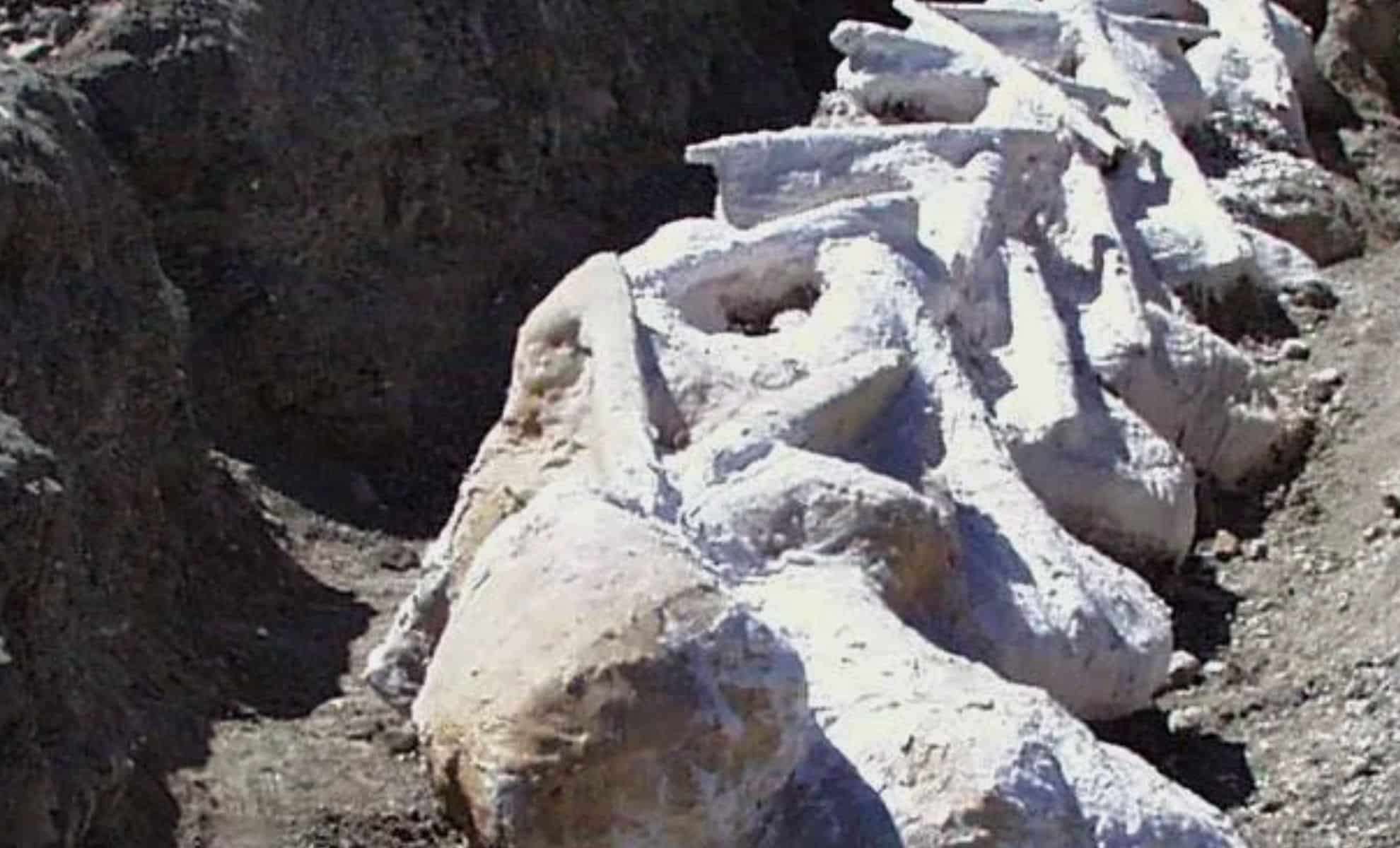
A groundbreaking fossil find at Big Bend National Park has unveiled a massive bone from Alamosaurus, recognized as the largest terrestrial dinosaur to have roamed North America. This discovery was officially announced by Sul Ross State University. The fossil, a vertebra, is thought to belong to one of the most intact skeletons of this tremendous species ever unearthed in the area.
Geology Students Unearth a Rare Dinosaur Bone
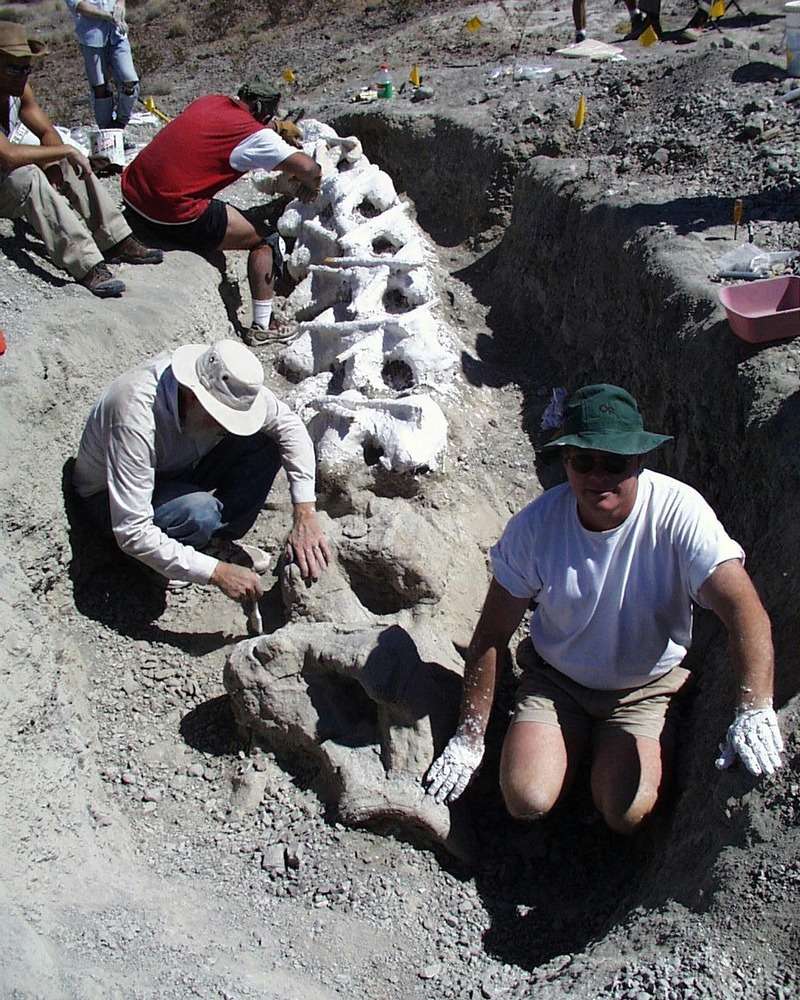
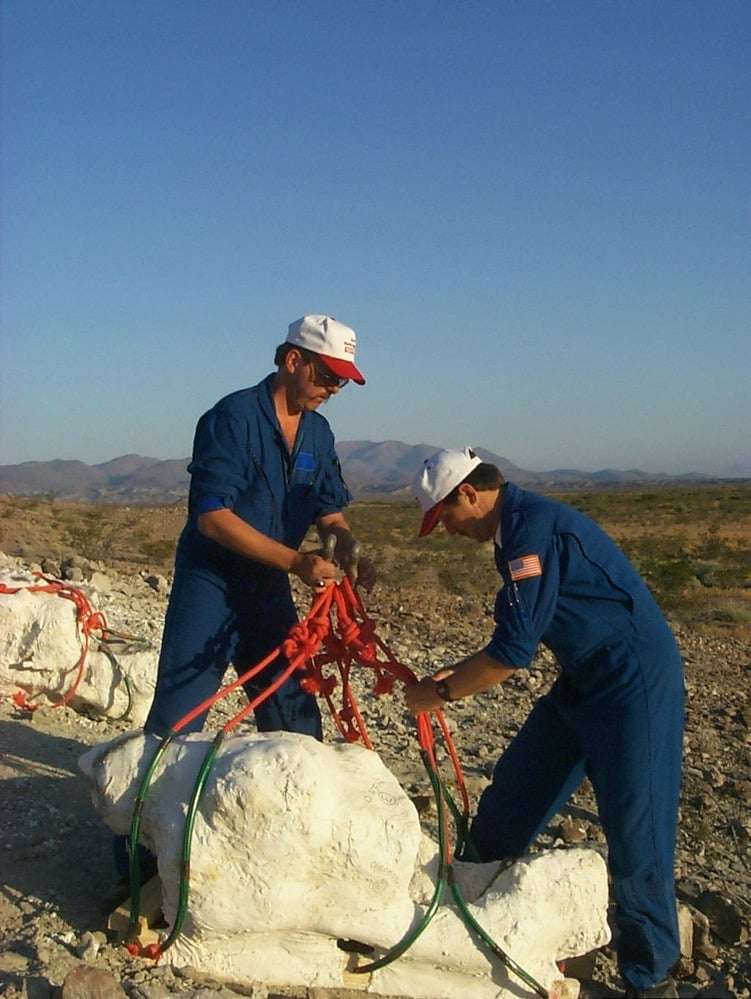
In March, geology students from Sul Ross State University conducted a field expedition to Big Bend National Park. Led by assistant professor Dr. Jesse Kelsch and associate professor Dr. Thomas Shiller, the team comprised students enrolled in courses focused on Stratigraphic Analysis and Structural Geology. Their mission was to study the Cretaceous–Eocene geological layers and gather dinosaur fossils. During the trip, they discovered a sizable Alamosaurus vertebra, a dinosaur species classified as a long-necked titanosaurian sauropod that lived approximately 70 to 66 million years ago during the Late Cretaceous period.
This particular fossil is especially significant, given that most Alamosaurus bones previously found in the park have been "fragmented and poorly preserved." This newly found vertebra is linked to a skeleton initially recorded by University of Texas scientists in the 1970s, potentially enabling experts to reconstruct one of the most complete Alamosaurus skeletons ever examined.

One of North America's Largest Dinosaurs
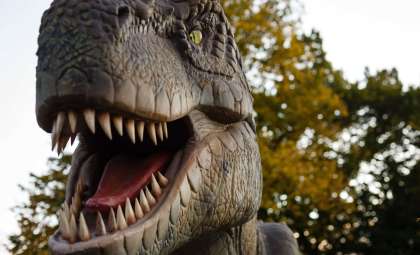
Alamosaurus holds the title as the largest land vertebrate known from North America, with adult specimens likely growing as long as 70 feet. Similar to other sauropods, it had an elongated neck and a flexible tail ending in a whip-like tip. The species, Alamosaurus sanjuanensis, was named after the Ojo Alamo Formation in New Mexico — the site of the first fossils discovered in 1922.
While remains of Alamosaurus have also surfaced in Utah and Wyoming, Big Bend National Park remains one of the richest sources for this species. Dr. Shiller and his team have previously collected vertebrae from the same area, which are now being analyzed alongside this recent specimen within the Sul Ross paleontology laboratory.
The Fossil Riches of Big Bend
Big Bend National Park is well known for its abundance of fossils, preserving over 90 dinosaur species across sedimentary records that chronicle the region’s evolution from ancient seas to swampy marshlands and later dry floodplains. Noteworthy discoveries include a gigantic pterosaur with a 36-foot wingspan, the impressive skull of the horned dinosaur Bravoceratops polyphemus, and a mammoth tusk found near the park’s boundaries.
The park’s layered geology captures an evolutionary timeline spanning millions of years, from the reptilian Age into the mammalian Era. The recently excavated Alamosaurus vertebra adds a valuable piece to this story, reinforcing Big Bend’s status as a pivotal location for understanding prehistoric ecosystems in North America.
- Categories:
- News









0 comments
Sign in to Comment