
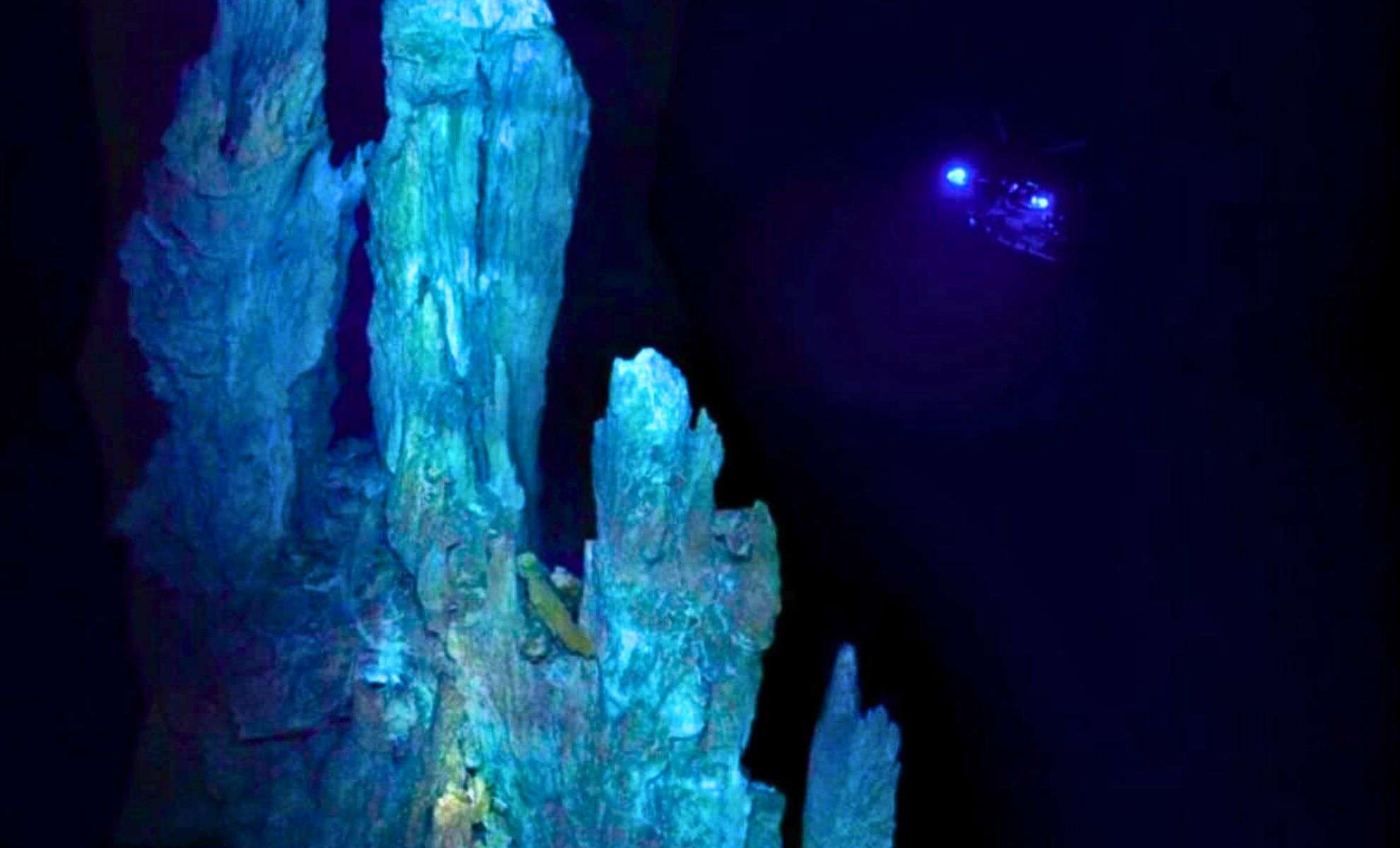
Nearly 2,300 feet beneath the Atlantic Ocean’s surface, scientists have revealed a unique, ancient underwater environment that could shed light on the origins of life on Earth and the potential for life in the universe.
Termed the Lost City Hydrothermal Field, this otherworldly formation was first identified in 2000 by researchers aboard the RV Atlantis. Unlike typical hydrothermal vents fueled by volcanic activity, Lost City’s energy comes from the interaction between seawater and mantle rock through a process known as serpentinization. This chemical reaction produces methane and hydrogen, essential molecules that can fuel life.
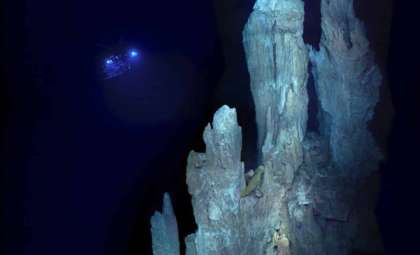
For more than twenty years, scientists have revisited this extraordinary habitat. Towering carbonate towers, some reaching heights of 60 meters, rise from the seabed, emitting warm, alkaline fluids. This environment, thriving without sunlight, supports a unique biosphere.

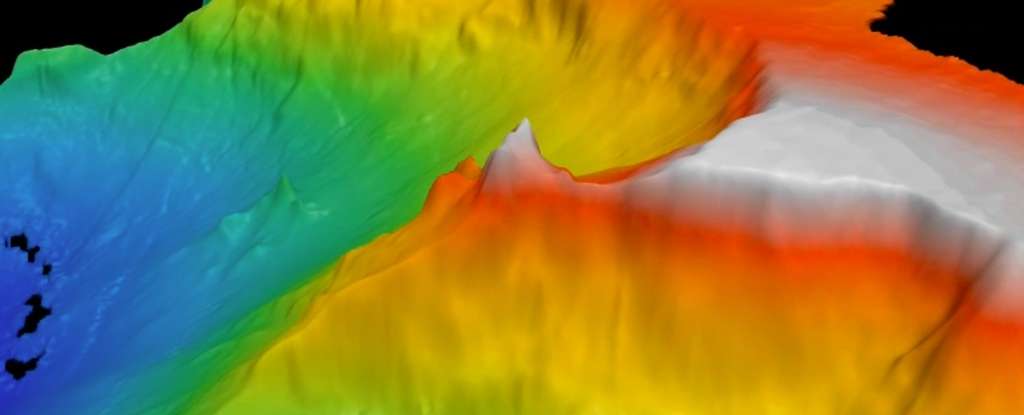
Despite the site’s importance, it lies in unregulated international waters and lacks federal protection. With deep-sea mining looming, scientists worry this ancient ecosystem may be damaged before its mysteries are fully uncovered.
An Exceptionally Rare Hydrothermal Formation Independent of Volcanism
Unlike common deep-sea vents, known as “black smokers,” which depend on magma, the Lost City system derives its power exclusively from mineral interactions. According to the University of Washington’s Oceanography Program, seawater filters through cracks in the oceanic crust and reacts with mantle rock, generating heat and producing hydrogen and methane gases without the release of metals or carbon dioxide.
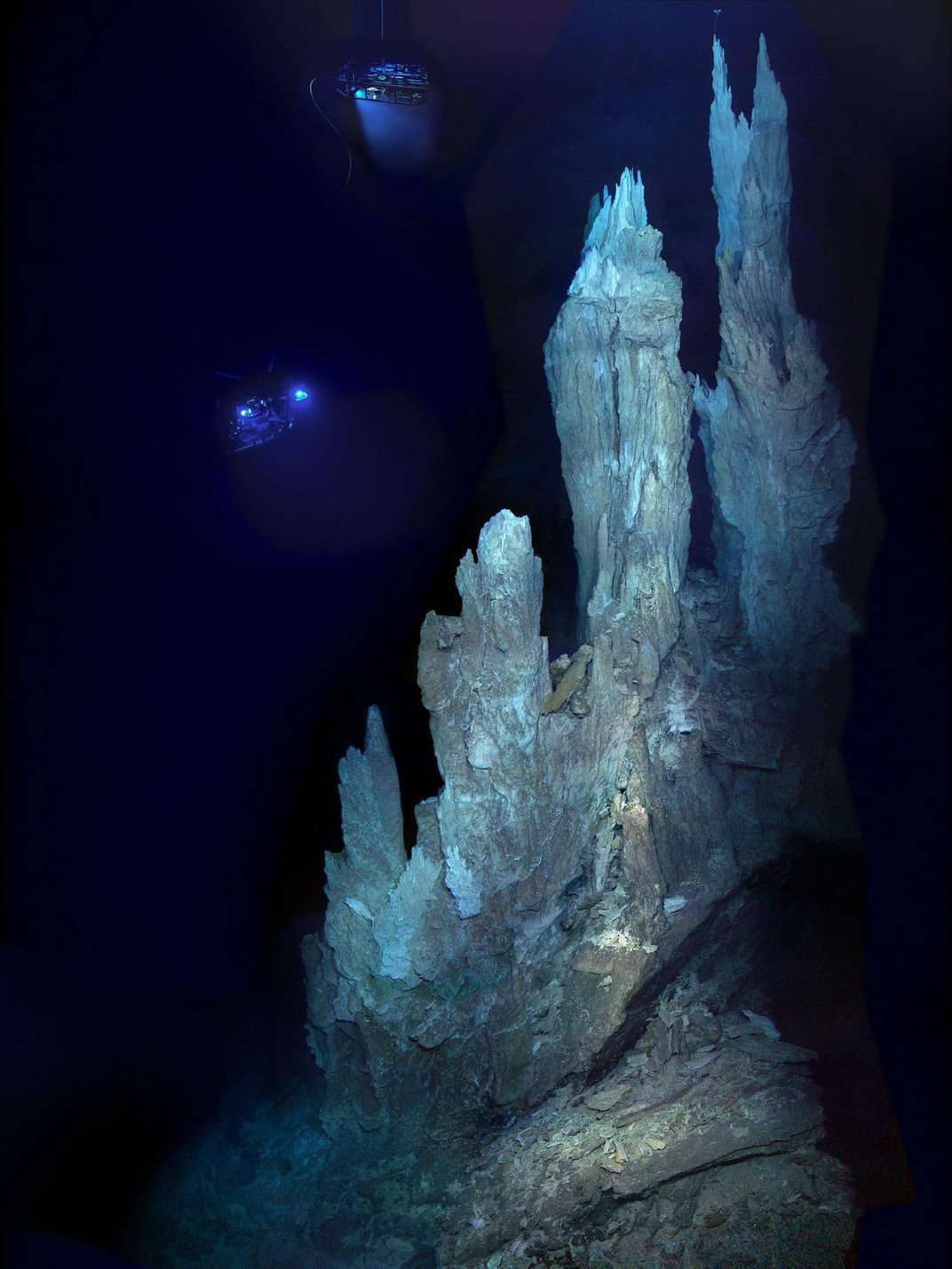
These gases vent through distinctive carbonate chimneys, forming towering structures rarely seen in Earth's oceans. Some vents drip fluids through delicate branch-like formations resembling outstretched hands, with the tallest named Poseidon standing over 200 feet (60.96 m) tall.
Radiometric dating published in Geochimica et Cosmochimica Acta shows this ecosystem has persisted for at least 120,000 years, vastly outliving typical volcanic vents that often last mere decades.
Life Thriving in Extreme, Sunlight-Free Conditions
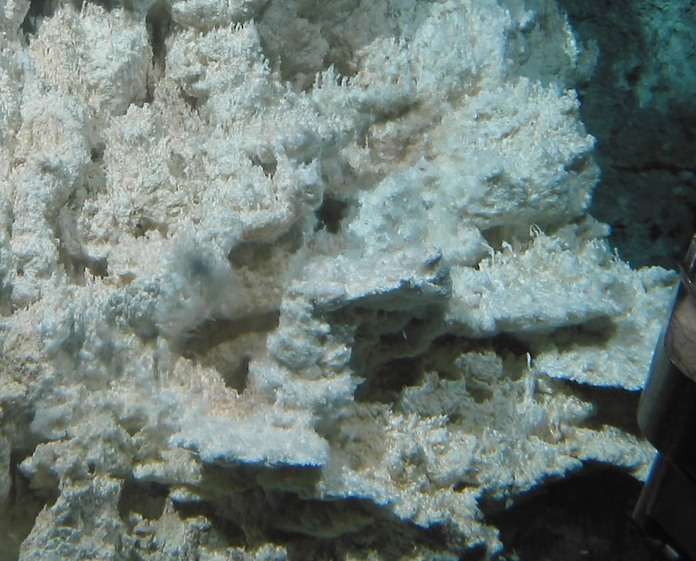
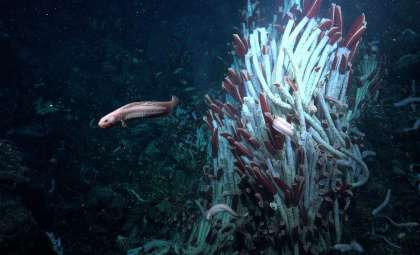
The biological community here is just as extraordinary as the geology. Within the chimneys, dense microbial mats cling to carbonate surfaces, surviving by harnessing the chemical energy generated from methane and hydrogen.
Microbial expert William Brazelton from the University of Utah suggests that Lost City’s life forms may offer clues about potential life on moons like Enceladus or Europa. These satellites, orbiting Saturn and Jupiter, have subsurface oceans and signs of similar vent activity.
Unlike life dependent on sunlight or oxygen, the microbes here rely on non-biological chemical reactions. Some scientists propose that early Earth life originated under similar conditions deep beneath the ocean, fueled by geochemical energy sources rather than sunlight.
The Growing Risk from Deep-Sea Mining Activities
Despite its significance, Lost City is located outside national jurisdictions, placing it at risk. In 2018, Poland obtained mining rights around the vent field from the International Seabed Authority (ISA). While the vent structures lack valuable metals, mining in the vicinity could stir up sediment clouds that may suffocate this delicate ecosystem.
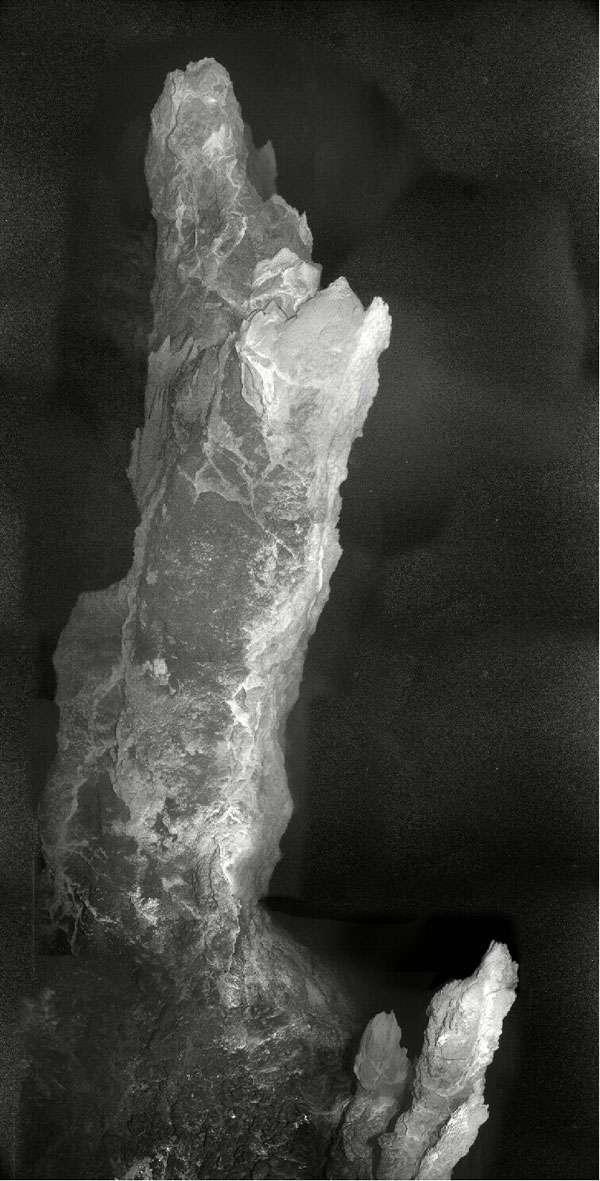
Marine geologist Deborah Kelley, who has led numerous expeditions to this site, warns that even minor disturbances to the surrounding seafloor could cause irreparable damage to the vents and their resident organisms.
Conservationists and scientists advocate for the UNESCO to recognize Lost City as a World Heritage Site. However, as of 2025, no formal protection has been granted. Increasing global demand for rare minerals continues to pressure previously untouched ocean depths.
Exploring Space While Overlooking Earth's Deep Ocean Secrets
While significant resources are dedicated to searching for life on other planets and moons, Earth may already harbor critical clues in its deep sea. In 2023, the Schmidt Ocean Institute deployed advanced methane sensors along the Mid-Atlantic Ridge, aiming to discover similar hydrothermal fields.
Currently, no other site matches the Lost City’s unique profile. It remains the only known hydrothermal field actively venting hydrogen and methane at such a scale, a one-of-a-kind natural laboratory unless future exploration or human activity alters that status.
- Categories:
- News




0 comments
Sign in to Comment