
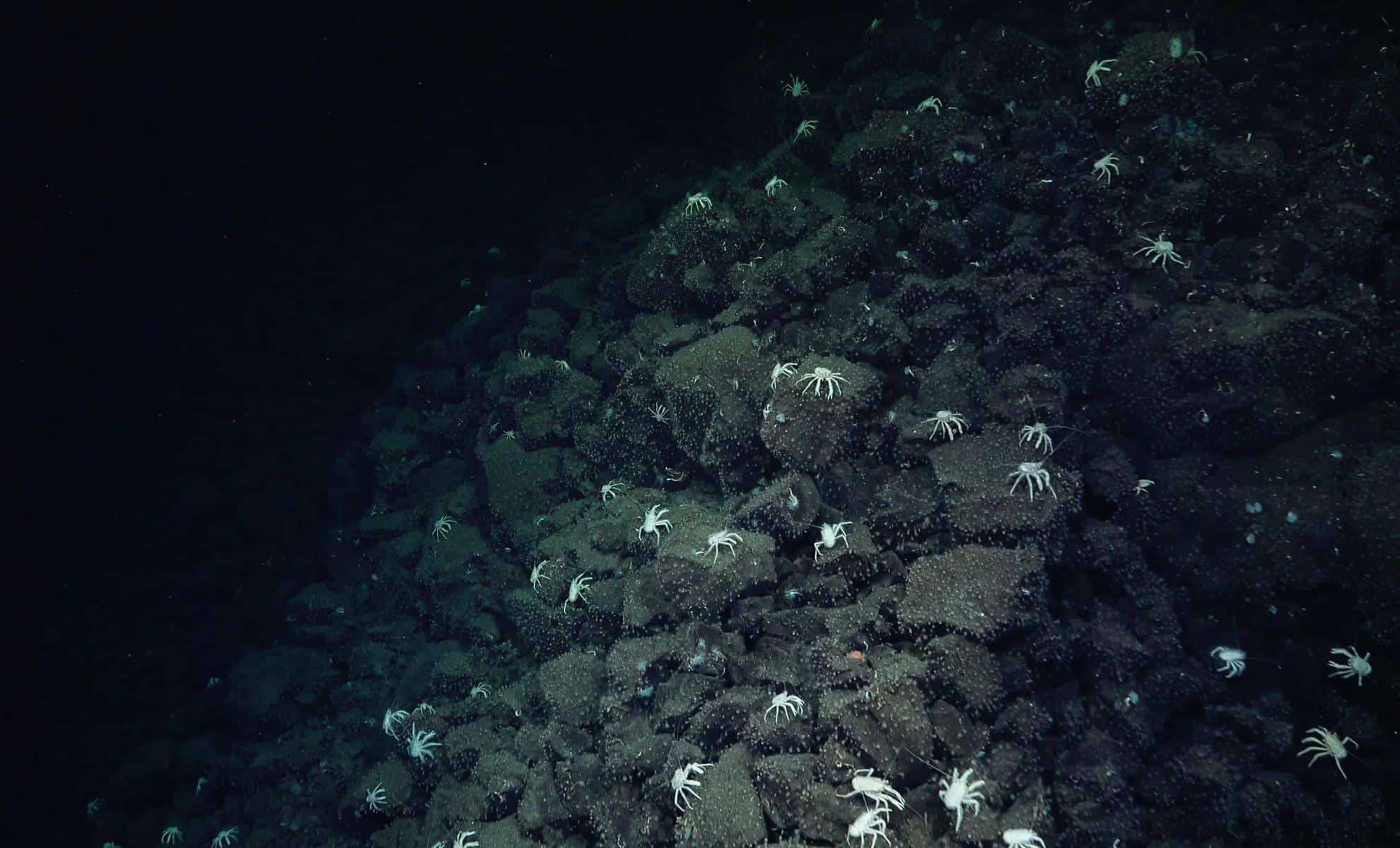
Off the western shores of the Galápagos Islands, researchers have uncovered a new hydrothermal vent system by tracking an unusual procession of squat lobsters, also known as galatheid crabs. Although scientists suspected this underwater vent field for over two decades, its exact location remained elusive until the crabs provided a natural lead, guiding a team from the Schmidt Ocean Institute straight to the discovery.
Following Nature’s Signal to a Rare Hydrothermal Site
The expedition initiated by spotting a handful of these ghostly crabs, whose increasing numbers acted as a biological trail to the source vents. The approach, unique in marine exploration, led the scientists to their target after years of uncertainty. As the article notes, “We’ve heard of following the yellow brick road, and even following the white rabbit, but scientists have just made a landmark discovery by following a trail of ghostly crabs.”
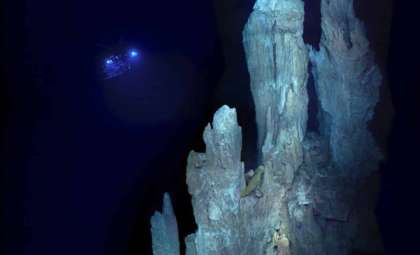
Hydrothermal vents are geothermal springs located along tectonic plate boundaries and volcanic regions on the ocean floor. These vents release superheated water, warmed by magma beneath the Earth’s crust, creating towering chimney structures. Currently, only about half of the estimated 550 hydrothermal vent fields worldwide have been directly observed, with the rest known primarily through indirect chemical and thermal evidence.

The Newly Found “Sendero del Cangrejo” Vent Complex
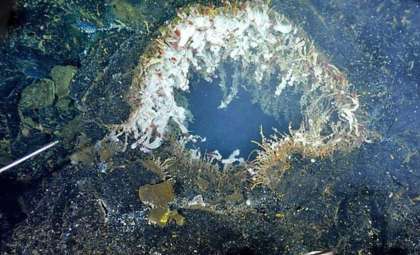
The recently identified vent site covers more than 9,178 square meters (roughly 98,800 square feet) and includes five geyser-like chimneys alongside three hot springs. Temperatures at this locale reach an intense 288 °C (550 °F), exceeding water’s boiling point at the surface. Despite these extreme conditions, a diverse and resilient ecosystem thrives here.
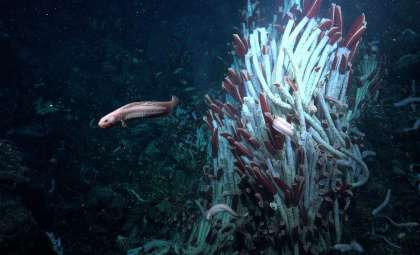
This ecosystem hosts impressive species such as enormous tube worms extending several meters, sizable clams nicknamed “dinner plate clams,” and clusters of mussels, all adapted to endure the vent’s harsh heat and low-oxygen environment.
Tracing a Path Through Chemistry and Crustaceans
Back in 2008, scientists initially suspected a hydrothermal vent here upon detecting unusual chemical signatures, including a zone of low oxygen water. This oxygen-depleted water occurs when seawater circulates through the ocean floor, losing oxygen content before emerging back through vents. Jill McDermott, a chemical oceanographer at Lehigh University and co-leader of the mission, explained, “Oxygen is completely removed through circulation in the seafloor. So the water that’s expressed at the seafloor is devoid of oxygen.”
Following this distinctive chemical plume led the explorers to the concealed vent field. They confirmed the discovery by deploying a remotely operated vehicle (ROV) to survey the seafloor and follow the crab trail. This led to the naming of the find as the “Sendero del Cangrejo” or “Trail of the Crabs,” honoring the crustacean guides that revealed this hidden hotspot.
- Categories:
- News







0 comments
Sign in to Comment