
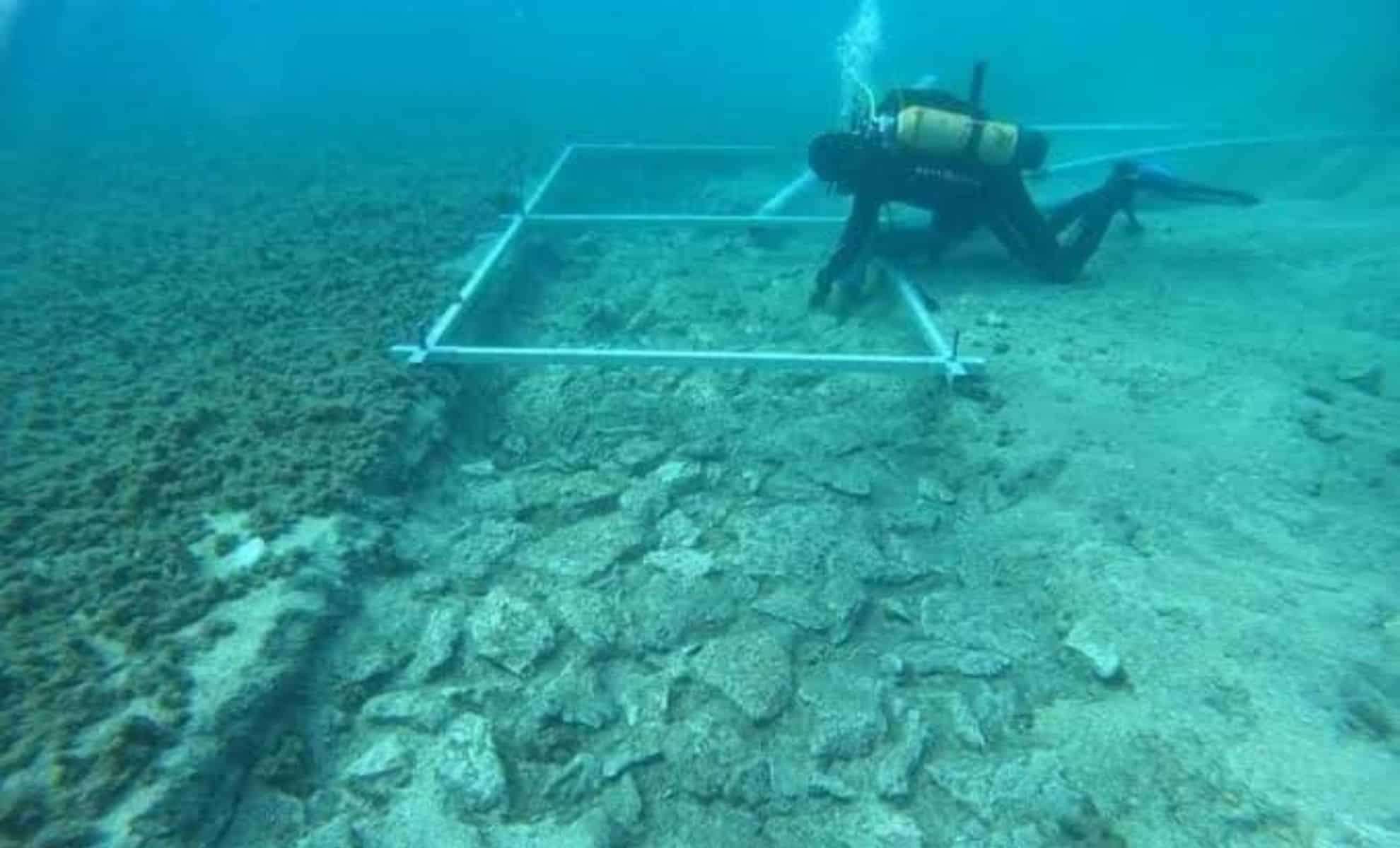
Researchers have unveiled a fascinating underwater archaeological find: a stone pathway dating back roughly 7,000 years submerged in the Bay of Gradina near Croatia’s coastline. Hidden beneath nearly 16 feet of seawater and sediment, this ancient road offers a rare glimpse into the distant past of early human settlements, even if it isn't the legendary Atlantis.
Linking Early Coastal Communities
Spanning approximately 12 feet in width, this sunken stone road was part of a prehistoric network connected to the Hvar maritime civilization. University of Zadar officials report that Igor Borzić and his archaeology team uncovered the structure during underwater exploration, sparking excitement among experts. Borzić notes the path linked the submerged Hvar culture settlement on Korčula Island to the mainland shore. Radiocarbon analysis of adjacent wooden remains dates the community to around 4900 BC.
The road is built from arranged stone blocks, presumably placed by early inhabitants to navigate the challenging landscape. Its impressive preservation beneath the sea reveals much about the ingenuity and lifestyle of these ancient populations.

Neolithic Relics Unearthed Underwater
Beyond the pathway itself, the University of Zadar expedition also retrieved various Neolithic artifacts. These include stone axes, pale blades, and ritualistic remains, all discovered between 13 and 16 feet below the surface alongside the roadway. These objects shed light on the social structure, spiritual beliefs, and maritime connections of the prehistoric community. The artifacts underscore the complexity of early human life in this region.
For archaeologists, this site represents a significant repository of historical data. Discovering the stone road enhances understanding of the Hvar culture and suggests numerous more archaeological treasures may be concealed beneath the Adriatic Sea. The team plans to continue their investigations to uncover further insights about ancient coastal societies.
Insights into Early Mediterranean Cultures
This extraordinary submerged discovery offers a window into the lives of Neolithic communities around 7,000 years ago, illuminating early civilization along the Mediterranean coast. Named after the island of Hvar, this maritime culture demonstrated significant seafaring abilities, with this stone road likely serving as a crucial link among settlements in the Bay of Gradina.
Facilitating trade and communication, the ancient roadway would have played an important role in the social and economic interactions within the region. Researchers are eager to keep exploring the submerged site and hope their work reveals more about how ancient coastal societies connected and thrived.
- Categories:
- News










0 comments
Sign in to Comment