
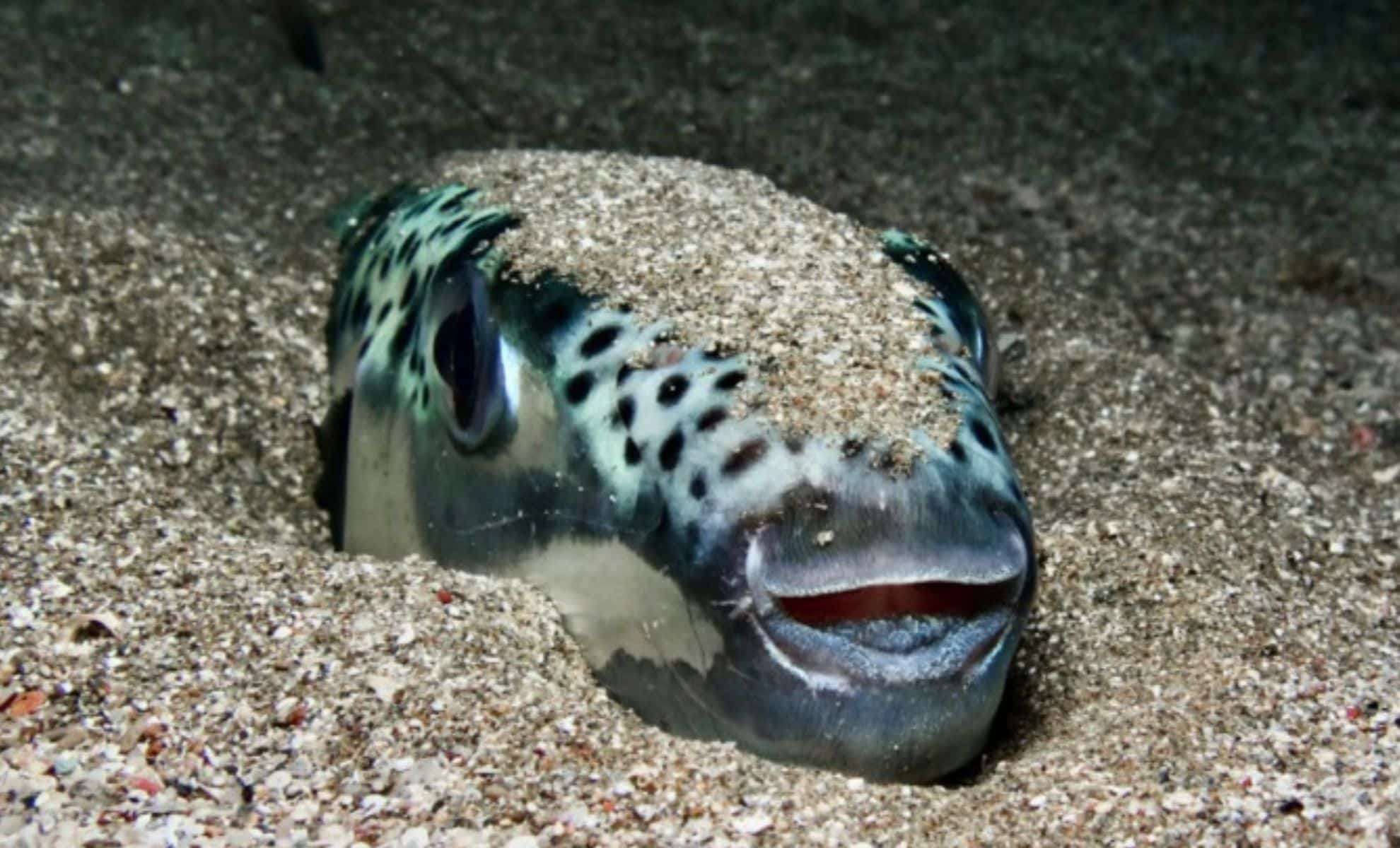
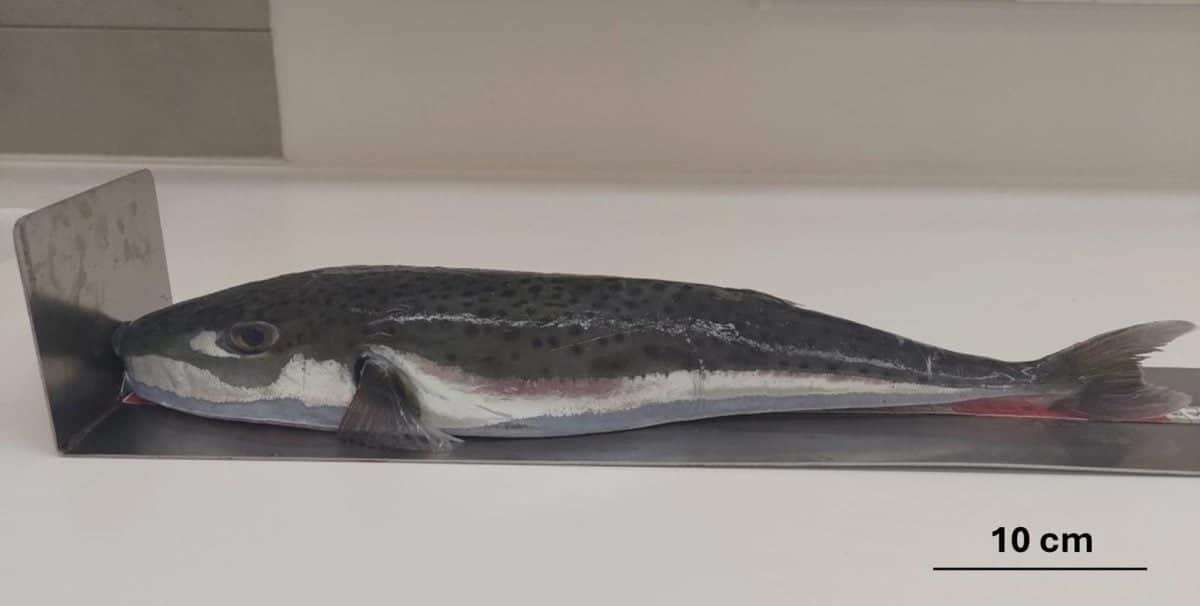
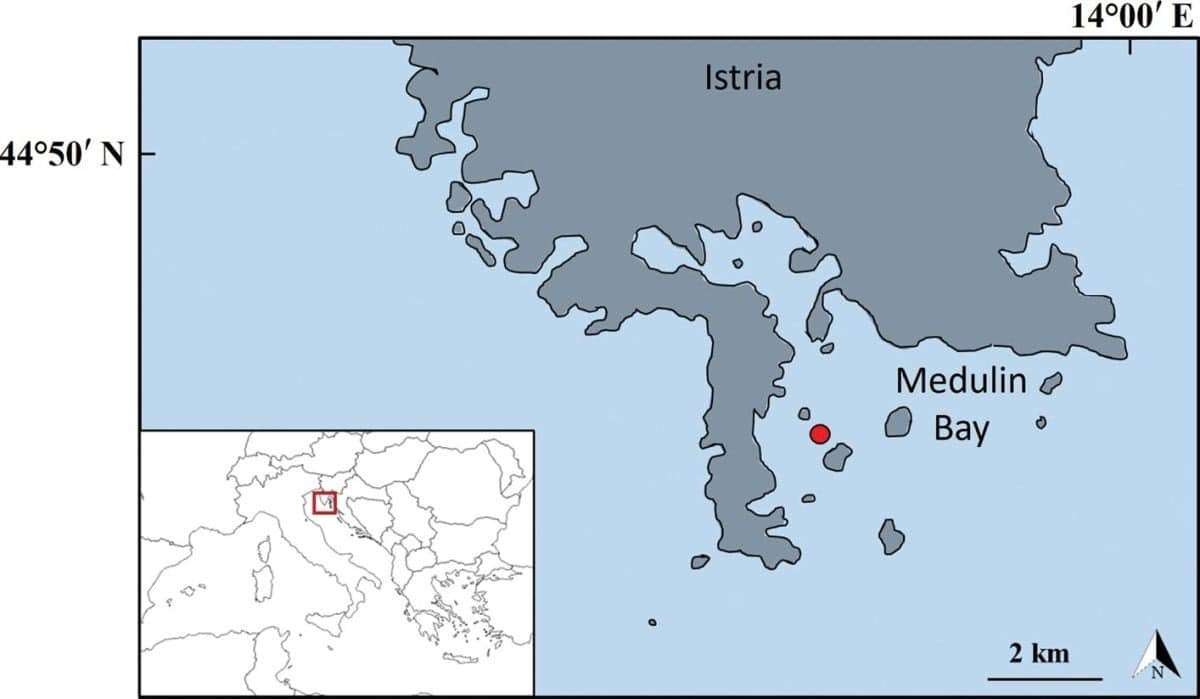
Scientists have documented a new occurrence of the dangerously invasive pufferfish species Lagocephalus sceleratus in the northern Mediterranean Sea, sparking major alarm among marine experts. This finding, published in the Acta Ichthyologica et Piscatoria journal, is the first recorded appearance of this species in the farthest northern section of the Adriatic Sea, near Medulin Bay, Croatia.
Highly Toxic and Hazardous Fish Species
The silver-cheeked toadfish, known scientifically as Lagocephalus sceleratus, has aggressively expanded its range throughout the Mediterranean since it was first spotted in 2003, following migration through the Suez Canal.
This invasive species presents serious risks to marine ecosystems, fisheries, and human health due to its potent toxins. Its tissues and internal organs harbor tetrodotoxin, a powerful neurotoxin that can be fatal if ingested.

Furthermore, the fish is equipped with strong beak-shaped jaws capable of inflicting serious wounds, including reported cases of finger amputations in parts of the Mediterranean. Its voracious feeding behavior is another factor of concern.
Researchers have identified its diet to include bivalves, gastropods, and sea urchins, which could upset the natural ecological balance in the Adriatic. The species has also been responsible for considerable damage to fishing equipment along Mediterranean coastlines.
Origin and Spread Via the Suez Canal
Native to the Indo-Pacific region, the species Lagocephalus sceleratus is classified as a Lessepsian migrant, having accessed Mediterranean waters through the Suez Canal.
Since its initial entry, its distribution has expanded extensively throughout the Mediterranean, with recent evidence in the northern Adriatic Sea. The capture in Medulin Bay signals ongoing proliferation and warns of possible ecological and economic fallout.
Dr. Neven Iveša, one of the study’s authors, emphasized the need for early interventions to curb this invasion.
“The presence of Lagocephalus sceleratus in the northern Adriatic is a clear warning sign of the species’ expanding range and potential ecological and economic consequences,” he stated.
Strategies to Address the Invasive Threat
To tackle this escalating problem, the authors advocate for intensified surveillance, focused removal programs, and educational initiatives to limit the impact of Lagocephalus sceleratus.
They urge local fishers to report observations promptly to support early intervention and management. Additionally, policy actions are advised to control the species’ spread and protect both marine biodiversity and public safety.
The researchers call for further studies aimed at thoroughly assessing the environmental repercussions brought on by this invasive fish.
- Categories:
- News












0 comments
Sign in to Comment