
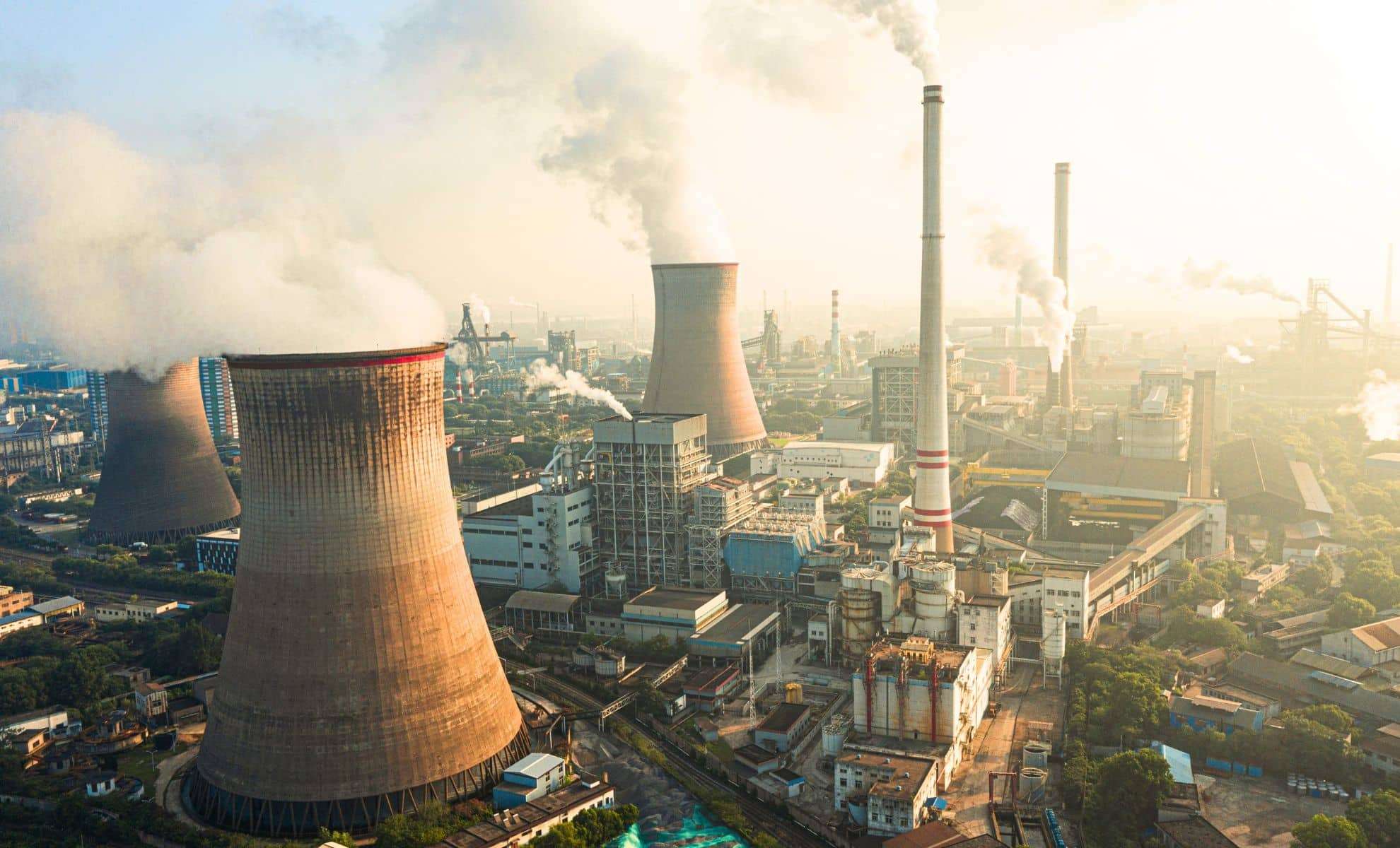
For the first time in history, China’s greenhouse gas emissions are on the decline—not due to economic downturns or energy shortages, but because of a swift rise in renewable energy adoption that is transforming the nation's electricity sector with potential worldwide impacts.
During the initial quarter of 2025, the country’s emissions decreased by 1.6 percent compared to the same period last year, alongside a 1 percent drop over the preceding 12 months. This shift reflects a fundamental transformation rather than a short-term fluctuation, marking the first occasion where growth in clean energy directly results in lower carbon emissions.
Solar, Wind, and Nuclear Surpass Coal
Despite an overall 2.5 percent increase in power demand, traditional coal power generation fell by nearly 5 percent. This reduction was driven by an extraordinary surge in renewable energy capacity, with March alone witnessing additions of 23 gigawatts of solar and 13 gigawatts of wind power—breaking previous monthly records by 80 and 110 percent, respectively.

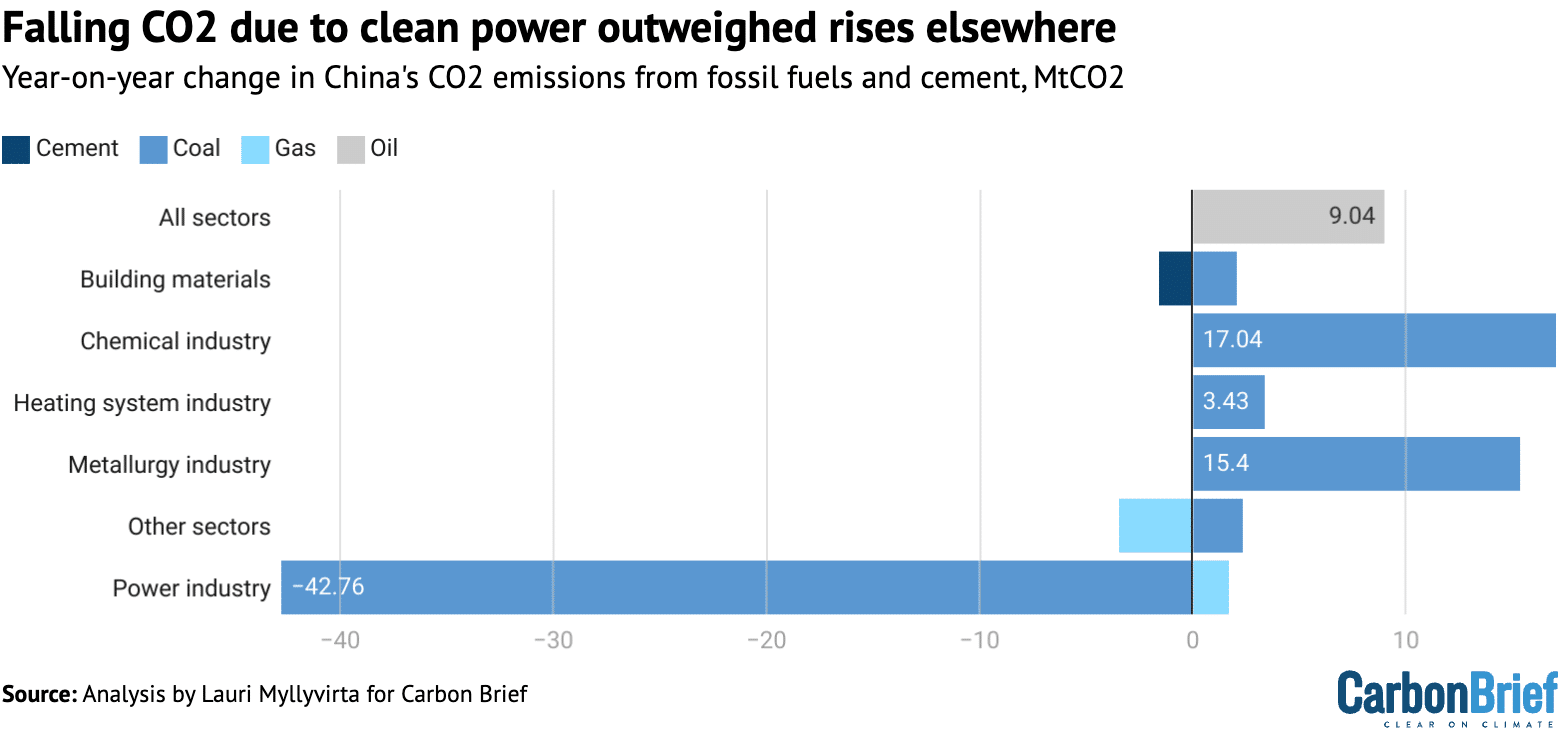
The rapid expansion of renewables outpaced electricity demand growth, displacing coal and natural gas in the power generation mix. Carbon Brief reports a resulting 5.8 percent decline in CO₂ emissions from power generation. Contributions from nuclear and biomass energy also played a role, while hydropower output remained consistent, unaffected by usual rainfall fluctuations.
Efficiency improvements at coal plants reduced the amount of coal consumed per electricity unit by close to 1 percent year over year, further lowering emissions.
Economic Growth Outside Power Sector Complicates Emissions Picture
While emissions from electricity generation fell, other sectors saw mixed trends. Industries such as metallurgy and chemical manufacturing increased coal consumption, with the coal-to-chemicals industry expanding notably due to concerns over energy security and favorable market conditions driven by lower coal prices and rising oil costs.
Steel output inched up by 0.6 percent, and non-ferrous metal production grew by 2 percent, partly fueled by a surge in export orders before the expiration of a U.S. tariff reprieve. Conversely, the real estate market continued to slow, with a 24 percent drop in construction starts and a 3 percent reduction in new home sales, dampening demand for building materials like cement.
The transport and machinery industries surged by 12 to 13 percent, reflecting internal investments and transient demand spikes. Oil product consumption, however, fell 2 percent from pandemic-era peaks, signaling enduring shifts in fuel usage.
Regulatory Changes Boost Renewables While Introducing Risks
June introduces a novel renewable energy price policy that ends guaranteed payments indexed to coal prices, requiring solar and wind developers to secure contracts directly with buyers. This policy transition has already accelerated project completions under the previous framework.
The China Electricity Council projects wind energy additions could reach 130 gigawatts this year, with solar capacity holding near last year's record 278 gigawatts. Industry forecasts anticipate a slowdown in new distributed solar installations later in the year due to these pricing reforms, though federally overseen large-scale projects are expected to continue.
Local governments hold considerable discretion in applying the new rules. Given the economic significance of renewable sectors in various regions, provincial authorities may act to reduce disruption. Ambitious central government targets will influence expansion rates, but the National Energy Administration’s current goal of adding 200 gigawatts annually is below last year’s 360 gigawatt achievement, raising concerns about future growth speed.
Future Emissions Impact Hinges on Upcoming Policy Framework
The trajectory of emissions hinges heavily on forthcoming policy decisions. China’s upcoming five-year plan, anticipated in 2026, will establish new benchmarks for energy and climate priorities. Experts emphasize this will critically shape whether emissions enter a long-term decline.
Economic responses to U.S. tariffs are currently influencing energy consumption patterns. The government has expressed intent to pivot from an export-heavy economic model to one driven by domestic consumption, potentially lowering energy intensity relative to GDP. In April, the Communist Party's primary publication, People’s Daily, advocated for “consumption to become the main driving force and ballast stone of economic growth,” hinting at institutional backing for this shift.
Recent economic stimulus bolstered sectors like shipbuilding and infrastructure, but maintaining lower emissions will require avoiding construction-heavy stimulus seen in the past and prioritizing investments in cleaner technologies and local services.
Despite progress, official data shows emissions remain just about 1 percent under their previous highs, leaving open the possibility of resurgence. The coal-to-chemicals sector remains unpredictable, potentially expanding further despite economic headwinds. The actions China takes in the coming years will determine if this year's emissions dip signals a long-lasting transition or merely a temporary pause.
- Categories:
- News













0 comments
Sign in to Comment