
Scientists at NYU Abu Dhabi have unveiled a cutting-edge artificial intelligence tool capable of forecasting solar wind patterns up to four days ahead. This breakthrough stands to transform the safeguarding of critical systems such as satellites and electrical grids from space weather disturbances. Published in The Astrophysical Journal Supplement Series, this innovation marks a significant leap in the precision of space weather predictions amid our increasing reliance on space-based technologies.
Advanced AI Improves Solar Wind Forecast Accuracy
Accurately anticipating changes in solar wind conditions, especially intense bursts, has long challenged researchers. Charged solar particles can severely impact terrestrial technology, disrupting satellite operations, communications, and power infrastructure. The newly developed AI by NYU Abu Dhabi experts forecasts solar wind velocities with a lead time of up to four days, achieving a 45% accuracy improvement over traditional methods. This enhancement holds profound implications for protecting both spaceborne and ground-based technological assets.
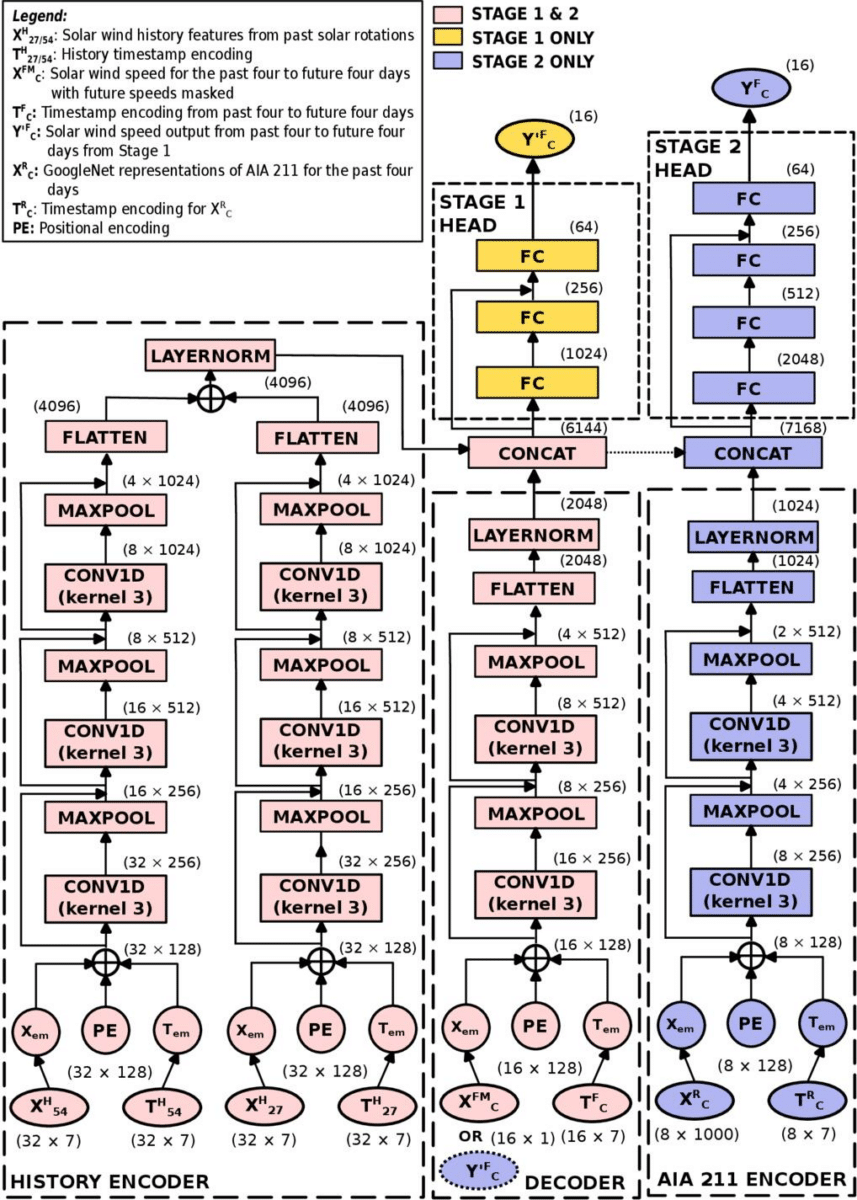
This AI model learns from high-resolution ultraviolet images captured by NASA’s Solar Dynamics Observatory, enabling it to detect precursory signals of solar wind fluctuations. Early warnings from this system empower engineers and scientists to implement protective measures for satellites, electrical grids, and manned space missions, reducing vulnerabilities to severe solar weather. The technology could prevent damages reminiscent of the 2022 solar wind surge that caused SpaceX to lose about 40 Starlink satellites.

The system promises significant advantages for space agencies, satellite operators, and all stakeholders dependent on space infrastructure. As Dhuri, lead author of the published study, states,
“This is a major step forward in protecting the satellites, navigation systems, and power infrastructure that modern life depends on.”
Transforming Space Weather Forecasts with AI
Predicting solar wind has historically been imprecise, with limited forecasting durations and reliability. Leveraging advanced machine learning combined with detailed solar imaging, the AI developed at NYU Abu Dhabi surpasses existing forecast models by 45% in precision. This breakthrough ushers in a new era of dependable predictions in the field of space weather science.
By forecasting solar wind velocities up to four days in advance, the AI equips scientists and engineers to better anticipate solar disturbances. This foresight is essential to mitigate the risks solar wind poses to communications, satellites, and power networks. Enhanced early warnings can help minimize technological failures and safeguard infrastructure vital to modern society.
Findings published in the Astrophysical Journal Supplement Series herald a major advancement in space weather science.
Shielding Satellites, Astronauts, and Critical Systems
Solar wind surges threaten to disrupt satellite trajectories, damage onboard electronics, and potentially render spacecraft inoperative. Incidents like the loss of 40 Starlink satellites in 2022 due to a strong solar wind event highlight the urgency of improved forecasting tools.
This AI solution delivers early alerts about solar wind status, enabling satellite operators and space missions to enact precautionary protocols. Dhuri emphasizes,
“By combining advanced AI with solar observations, we can give early warnings that help safeguard critical technology on Earth and in space.”
Such predictive capabilities help protect technology from damaging solar flares and high-velocity solar wind streams, reducing the likelihood of malfunctions or catastrophic failures.
Beyond satellites, space weather affects terrestrial power grids, navigation, and communication systems vital for daily life. This advanced AI enhances early prediction capabilities that can shield a wide range of infrastructure from the risks posed by space weather disturbances.
Decoding the Solar Wind’s Effects
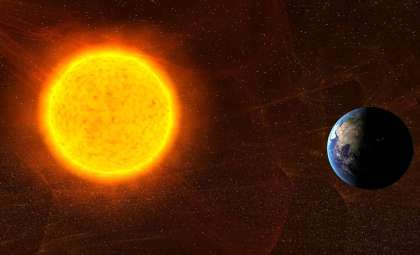
The solar wind consists of a continuous emission of charged particles from the Sun’s atmosphere, flowing throughout the solar system. While typically harmless, intensified solar wind can trigger solar storms that interact with Earth’s magnetic field, disrupting satellites, GPS networks, and electrical grids.
Historical solar wind incidents have caused substantial impact, such as the 1989 geomagnetic storm leading to widespread blackouts in Canada, and the 2022 event that resulted in SpaceX losing numerous satellites. With this new AI-driven forecasting platform, researchers are better equipped to predict and analyze solar wind behavior, helping to minimize hazards to Earth-based systems and maintain uninterrupted satellite and space operations.
- Categories:
- News






0 comments
Sign in to Comment