
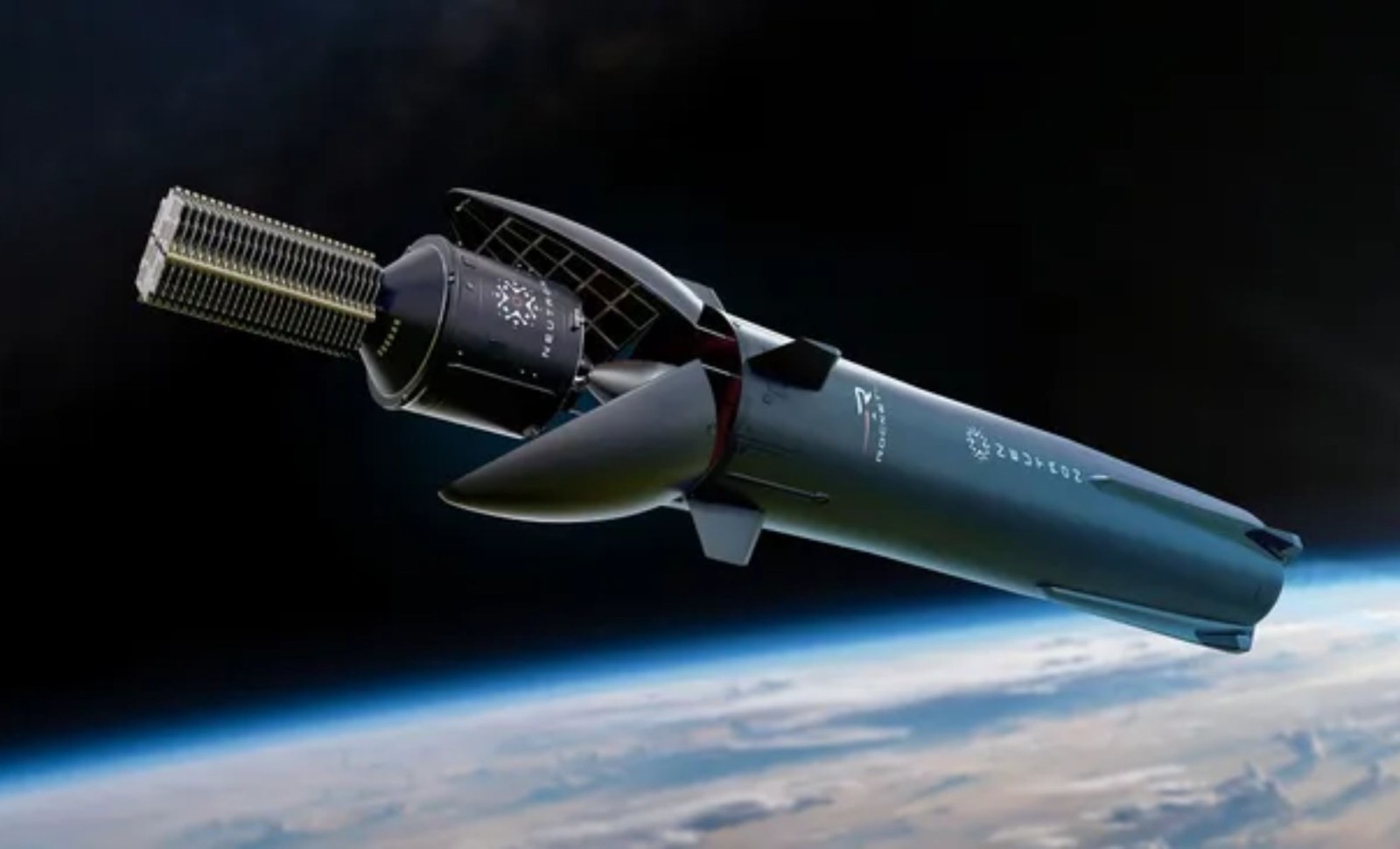
Rocket Lab has announced a delay in the inaugural launch of its partially reusable Neutron rocket, shifting the timeline from late 2025 to 2026 to allow for extended ground-based evaluations. The medium-lift rocket, central to Rocket Lab's expanded ambitions, is undergoing further validation to ensure mission readiness, with CEO Peter Beck underscoring that achieving orbit takes precedence over meeting previous deadlines.
This postponement highlights Rocket Lab’s transition from a firm primarily focused on launching small satellites to a contender in the heavier payload launch sector. The Neutron vehicle is critical to this strategic shift, offering enhanced payload capacity alongside reusability features aimed at competing with established industry leaders.
The update emerged during Rocket Lab’s Q3 2025 earnings call, with Beck discussing the ongoing development milestones and challenges. The vehicle is slated to arrive at Launch Complex 3 on Wallops Island, Virginia, in early 2026, where it will undergo rigorous qualification testing. Although this adjustment affects the company’s timeline, it reflects a commitment to thorough validation.

Neutron’s Design Emphasizes Reusability and Increased Payload
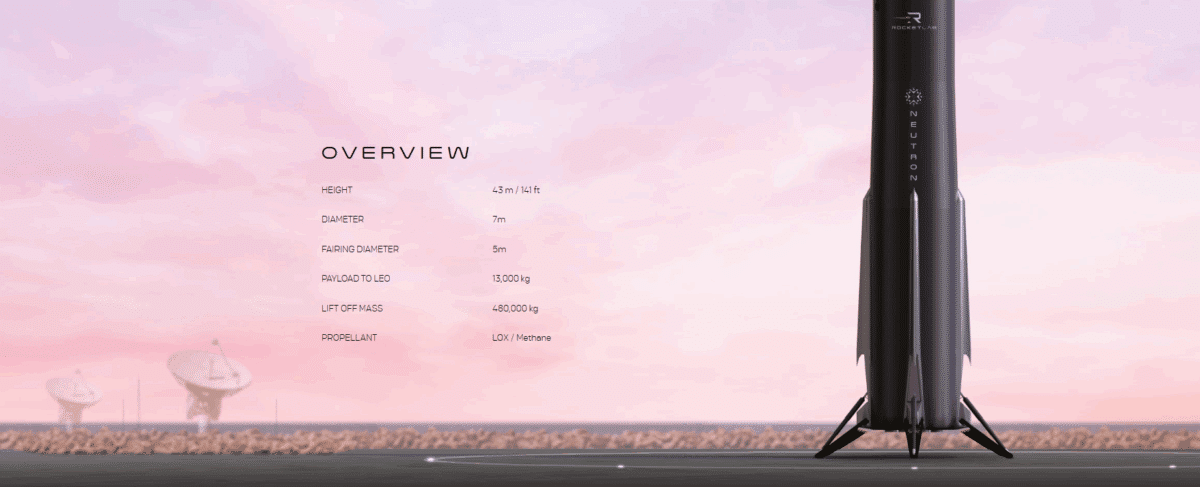
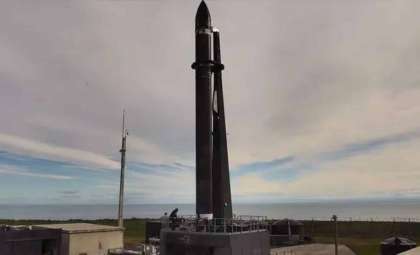
The Neutron rocket stands 141 feet (43 meters) tall and is engineered for medium-lift operations, powered by Rocket Lab’s proprietary Archimedes engines. Its first stage features partial reusability, intended eventually to return via ocean barge recovery for refurbishment and reuse. However, the first flight will execute a soft splashdown in the ocean rather than a precision landing, positioning Neutron as a direct competitor to SpaceX’s Falcon 9, which dominates the reusable rocket arena.
Coverage by Space.com notes that Neutron is designed to deliver up to 28,700 pounds (13,000 kilograms) into low Earth orbit, marking a significant increase beyond Rocket Lab’s current launch offerings. Though the vehicle has entered its final testing stages, Beck reiterated the necessity of resolving all remaining technical risks before proceeding to launch rehearsals.
The CEO stressed the importance of thorough ground evaluation to uncover and fix any potential problems ahead of flight tests.
“We’re in the phase where you find out what you got right and what you got wrong, underlining the team’s cautious approach ahead of launch rehearsals.
Achievement Measured by Orbit Attainment, Not Partial Success
Rocket Lab rejects the notion of partial test flights being considered successful. For Beck, “achieving orbit” defines true success. During the Q3 earnings briefing and in a prior interview with the same outlet, he dismissed any partial launch milestones as insufficient:
“You won’t see us minimizing some qualifier about us just clearing the pad and claiming success,” he said.
This uncompromising standard contrasts with prior first-flight missions from other providers, which often accept experimental data without orbital insertion. Rocket Lab is preparing multiple static-fire tests and wet dress rehearsals ahead of launch once the vehicle is delivered to the pad.
“I don’t believe in the, ‘We’ll collect good data today, but it blew up just off the pad,” he said.
Wallops Facility Nearing Launch Readiness
The Wallops launch site is close to becoming fully operational. Opened earlier this year in August, this complex will support both Neutron’s test campaigns and its eventual liftoff. Pre-launch rehearsal activities will commence shortly after the rocket’s arrival at the facility.
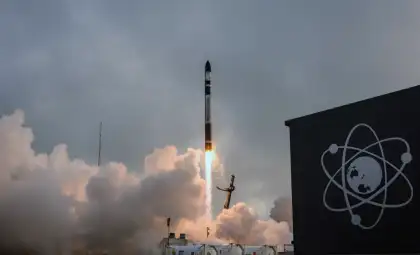
Meanwhile, Rocket Lab continues to actively operate its smaller Electron rocket, which remains in high demand. Over the past quarter alone, the company secured 17 new launch deals for Electron missions. The team anticipates surpassing last year’s launch record, with the 17th Electron launch of 2025 still planned before November concludes.
- Categories:
- News








0 comments
Sign in to Comment