
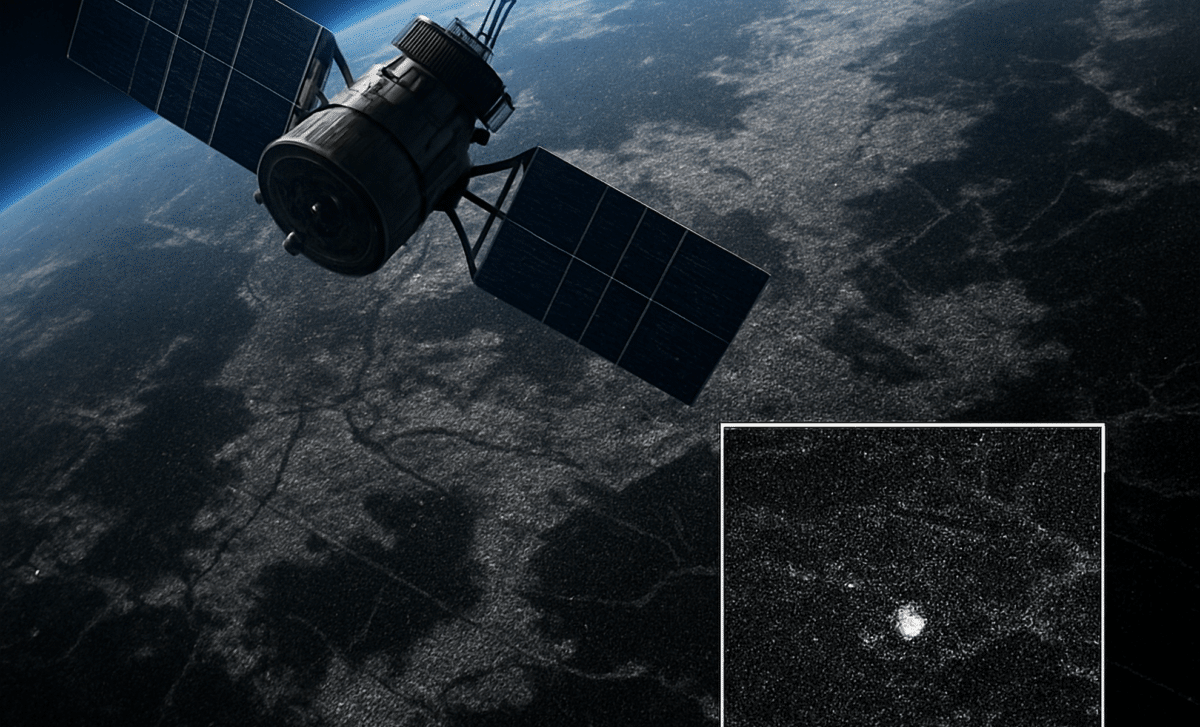
The recent disintegration of the Russian Luch/Olymp satellite in orbit has spotlighted a mounting global issue: the escalating dangers posed by space debris. Originally launched in 2014 to perform on-orbit inspections of other spacecraft, this satellite was relocated to a higher, so-called graveyard orbit after its retirement in 2025. Observations from Earth indicated that the satellite fragmented in late January 2026, raising urgent concerns about the growing volume of orbital debris.
Space Debris Surge: Insights from the Luch/Olymp Satellite Incident
Orbital debris, often referred to as space junk, presents a critical challenge for current and future space operations. The break-up of the Luch/Olymp satellite underscores the severity of threats that debris fragments impose on active satellites and the broader space environment. Initially deployed in 2014, Luch/Olymp served as an inspection satellite in geostationary orbit before its deactivation in late 2025, at which point it was transferred to a disposal orbit far above operational spacecraft.
Space.com reported that the satellite’s breakup occurred several months post-retirement, emphasizing the heightened collision and fragmentation risks within these upper orbital regions. As satellites accumulate in both operational and graveyard orbits, the chances of collisions rise, potentially generating even more debris and fueling a hazardous cycle that jeopardizes all space missions. Ground tracking efforts suggest that an external debris impact likely caused Luch/Olymp's fragmentation, highlighting the urgent need for enhanced debris mitigation and management strategies.

Escalating Orbital Clutter: The Luch/Olymp Debris Breakdown
The breaking apart of the Luch/Olymp satellite is part of a worrying pattern of increasing debris accumulation around Earth. With more countries and commercial entities deploying satellites, the frequency and severity of potential collisions climb. Although satellites are thoughtfully placed into orbits, the absence of effective strategies for disposing of decommissioned satellites means that defunct satellites like Luch/Olymp now contribute significantly to the orbital debris field.
Upon its deactivation, Luch/Olymp was moved to an elevated graveyard orbit intended to isolate inactive satellites safely. However, the recent fragmentation event demonstrates that these graveyard orbits are not immune to danger. Impacts from debris in these regions can shatter satellites into numerous fragments, amplifying the debris burden. Experts now warn that debris in these higher orbits may be more hazardous than previously understood, demanding urgent attention.
External Impacts: Examining the Cause of the Luch/Olymp Satellite Demise
Satellite destruction can sometimes stem from internal malfunctions like battery explosions or fuel leaks, but evidence suggests that Luch/Olymp’s fragmentation originated from an outside collision. Astrophysicist and satellite researcher Jonathan McDowell has posited that debris impact was the likely trigger since the satellite’s internal energy sources were probably depleted during retirement, making internal failure less plausible.
This scenario underscores the severe threat posed by orbital debris to satellites functioning in all orbital zones, including geostationary orbit (GEO), which hosts crucial communication and navigation satellites. As the quantity of space junk grows, industry experts stress the importance of deploying robust detection, tracking, and removal technologies to safeguard space assets.
The Urgency for Space Debris Cleanup Intensifies Amid Satellite Failures
The collapse of the Luch/Olymp satellite prompts a critical reflection: are current debris removal efforts falling behind the accelerating creation of orbital junk? Thousands of debris fragments circle Earth, posing collision risks to both active and retired satellites. The Luch/Olymp episode serves as a stark reminder for global stakeholders to urgently prioritize comprehensive space debris mitigation initiatives.
Following this fragmentation, calls for enhanced international collaboration are growing stronger to establish unified debris management protocols. While some groups are exploring techniques like robotic arms, laser ablation, and satellite nets to capture or alter the orbits of debris, none have yet been implemented on the scale needed to make a lasting difference. Without effective solutions, the danger from orbital collisions remains a significant threat.
Space Exploration Rivalries Drive Need for Advanced Orbital Surveillance
As humanity's presence in space expands, major spacefaring nations—including the US, Russia, and China—compete to develop more capable satellites and inspection technologies such as the Luch/Olymp. While these assets facilitate superior space situational awareness and vehicle monitoring, they also increase the risk of close encounters and collisions.
The destruction of Luch/Olymp highlights a growing imperative: as space capabilities advance, so too must the tools for tracking and managing orbital debris. Nations equipped with the best debris detection and removal technologies will not only protect their satellites but also gain strategic advantages in the increasingly crowded space environment. However, fragmented efforts and limited resources leave many missions vulnerable to debris impacts for the foreseeable future.
- Categories:
- Space











0 comments
Sign in to Comment