
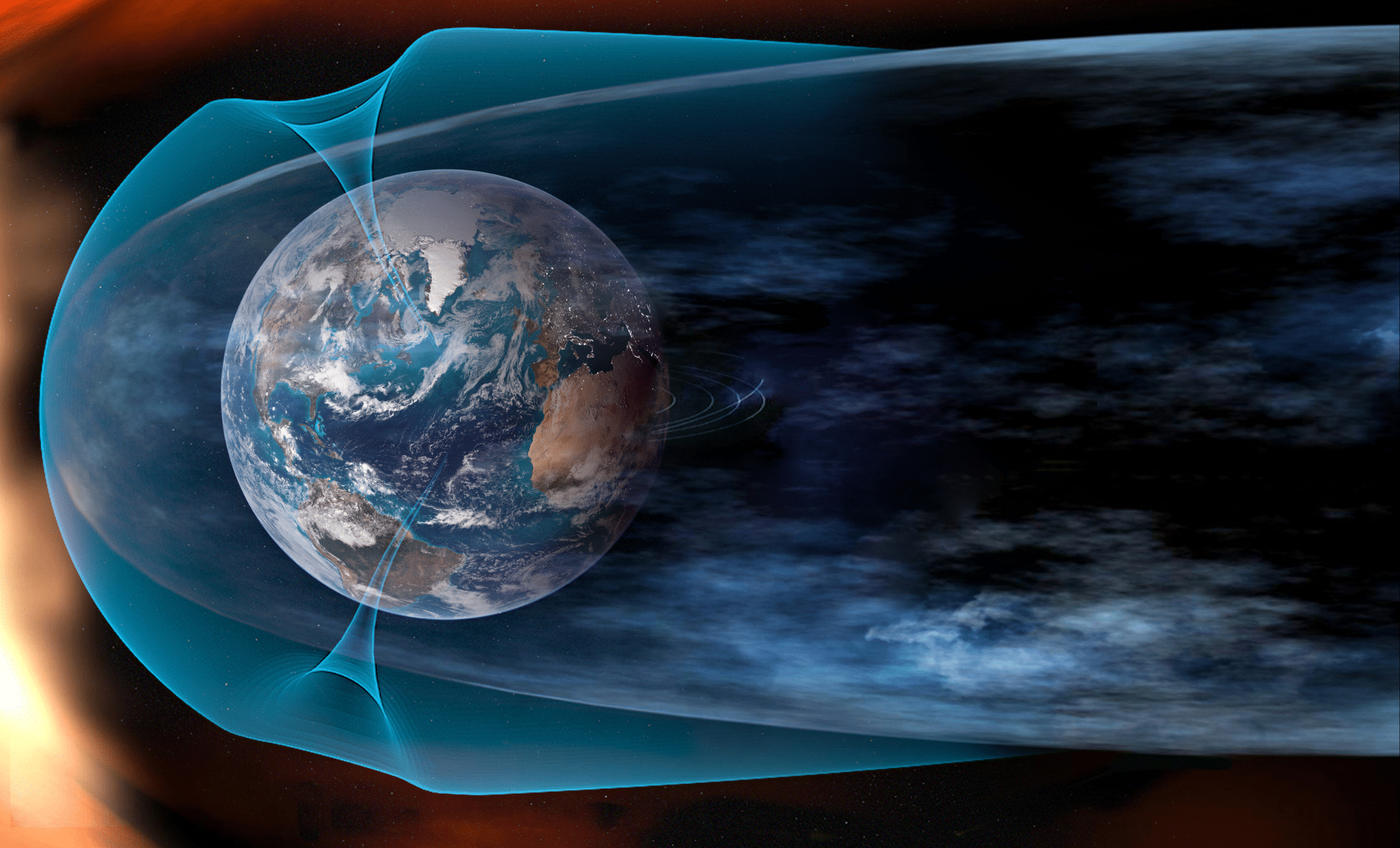
Approximately 41,000 years ago, a significant alteration in Earth’s magnetic field occurred, now recognized by scientists as the Laschamps Event. Investigations presented at the recent European Geosciences Union 2024 conference have highlighted how remnants of this magnetic reversal persist in geological records, such as lava deposits, ice cores, and ocean sediments, offering new clues about Earth's inner structure and the effects of magnetic flips.
Exploring the Laschamps Event Through Sound and Satellite Data
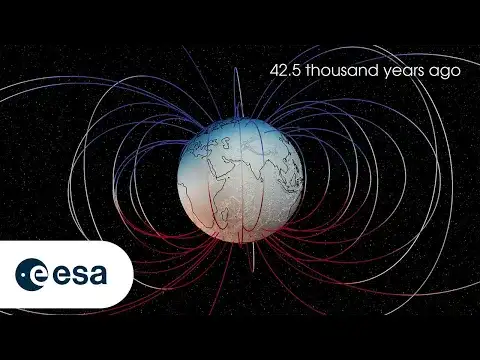
Innovatively, scientists from the Technical University of Denmark and the German Research Center for Geosciences converted ESA’s Swarm Mission satellite measurements into soundscapes that portray the Laschamps Event. By translating changes in magnetic field lines across the globe and combining these with natural sounds like creaking wood and colliding rocks, they created an evocative auditory representation of the magnetic field’s turbulent reversal.
This audio rendition offers an immersive way to connect with ancient geomagnetic phenomena, illustrating how flowing molten iron and nickel within Earth’s core generate electric currents. These currents are responsible for the magnetic field, which extends far into space and acts as a shield that protects all life from relentless solar radiation. Through this “listening” approach, researchers gain an unprecedented perspective on otherwise unseen planetary dynamics.

The Impact of Magnetic Fluctuations and Cosmic Radiation
During the Laschamps reversal, the strength of Earth’s magnetic field diminished to just about 5% of today’s levels, significantly increasing the atmosphere’s exposure to cosmic rays. Isotopic evidence from ice cores and marine sediments, including a notable rise in beryllium-10, provide a record of heightened solar radiation during this epoch.
The consequences of such changes were far-reaching: increased atmospheric ionization could disrupt the ozone layer and influence climate systems, while elevated radiation may have played a role in the extinction of large Australian mammals and shifted human habitation practices, like seeking refuge in caves. “Understanding these extreme events is important for their occurrence in the future, space climate predictions, and assessing the effects on the environment and on the Earth system,” explained Sanja Panovska, a geophysics expert at the German Research Center for Geosciences.
How Earth’s Magnetic Field Is Generated and the Movement of Poles
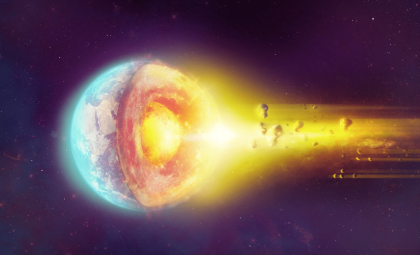
Earth’s Magnetic Field originates from convection currents within the planet’s liquid outer core, fueled by heat from the inner solid core. These intense flows generate electric currents, which in turn create the geomagnetic field. This dynamic process causes the magnetic North and South Poles to continuously shift their positions.
At present, the magnetic North Pole is migrating from Canada toward Siberia, prompting updates in global navigation systems. Geological records indicate that polarity reversals, such as the Laschamps Event, can span several centuries, sometimes leaving the field weakened for hundreds of years. These occurrences underscore the complex, ever-changing nature of Earth's inner mechanisms.
Observing Modern Magnetic Anomalies and Reversal Possibilities
Recent phenomena, including the South Atlantic Anomaly, have sparked discussions about the possibility of a forthcoming magnetic reversal. This area of weakened magnetic force increases radiation exposure for orbiting satellites and is therefore closely monitored by scientists.
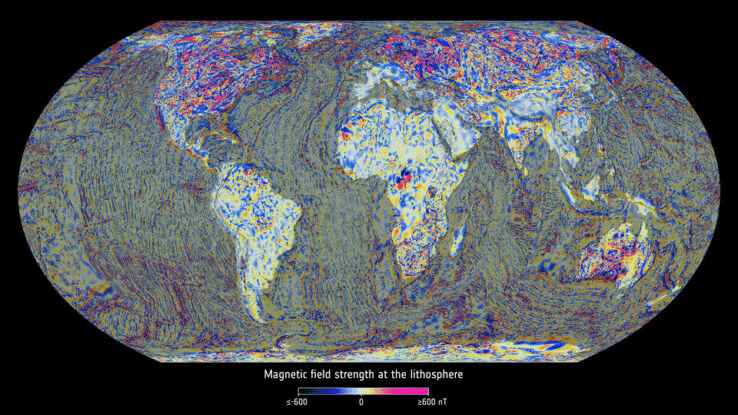
ESA’s Swarm satellite fleet continuously tracks geomagnetic signals produced by the core, mantle, crust, oceans, ionosphere, and magnetosphere. By studying this data, researchers aim to better predict changes in Earth’s magnetic field and assess how such variations could impact satellites, communication technologies, and climate patterns. While current anomalies don’t conclusively signal an impending reversal, they serve as a reminder of the magnetic field’s fluctuating and influential nature.
- Categories:
- News






0 comments
Sign in to Comment