
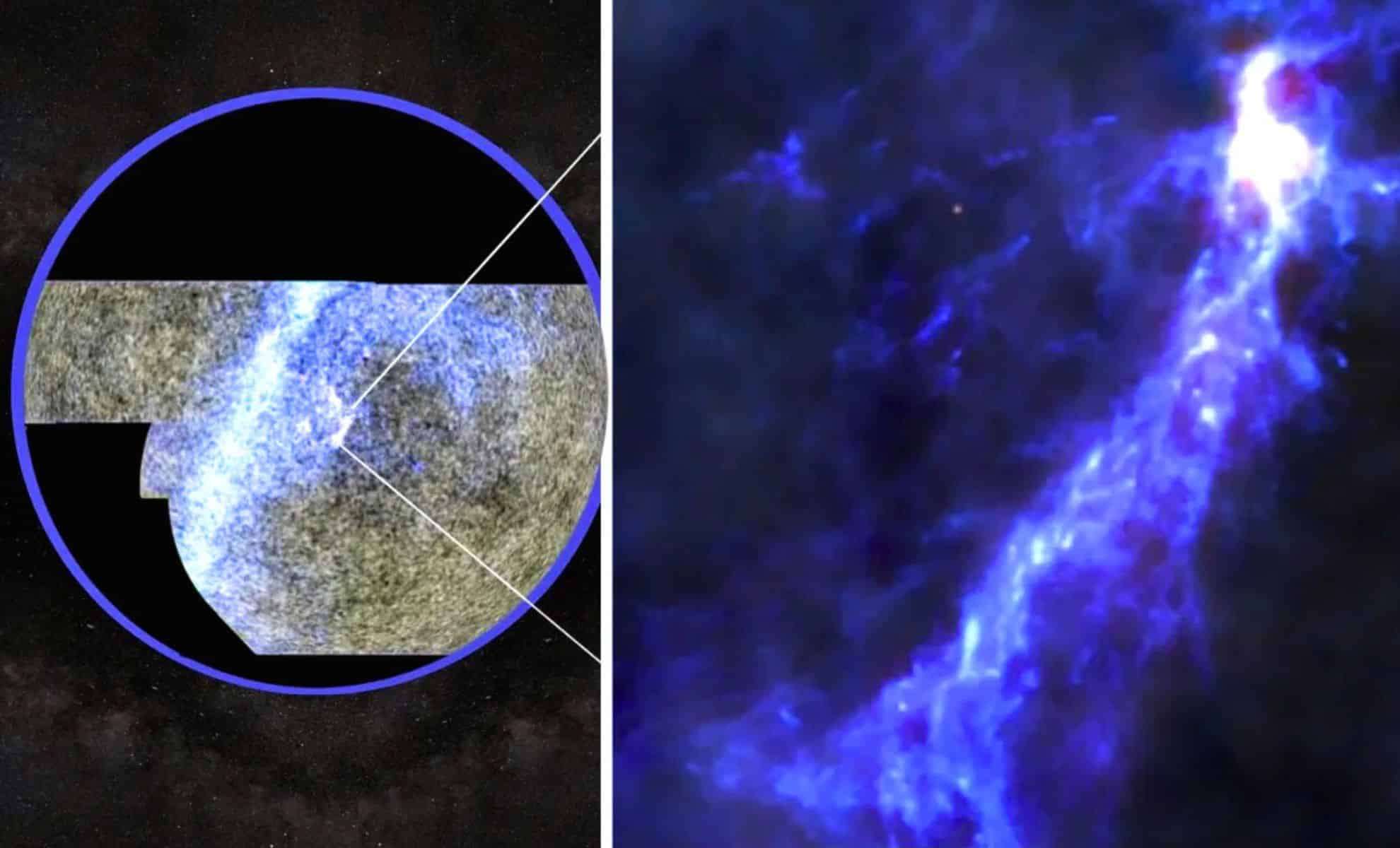
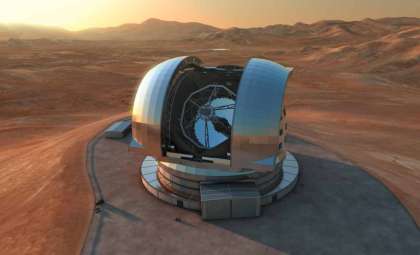
In a significant advancement for the field of cosmology, researchers have obtained images that capture the earliest phases of the cosmos with extraordinary detail. Utilizing cutting-edge instruments like the Atacama Cosmology Telescope (ACT) located in Chile, astronomers are now able to probe the farthest reaches of space, gaining fresh understanding of how the universe began and evolved.
Revealing the Universe’s Dawn
The quest to understand the cosmos has fascinated people for centuries, and recent technological progress has made it possible to uncover phenomena once considered out of reach.
Central to this progress is the ACT telescope, which has captured incredibly refined snapshots of the universe’s primordial formations.

These images offer an unprecedented glimpse into the early density variations within the universe, enriching our knowledge of its makeup and development.
Cosmic Microwave Background: A Window to the Ancient Universe
In its infancy, the universe was so dense and hot that photons couldn’t move freely. Only about 380,000 years following the Big Bang, it had cooled sufficiently to allow light to travel, leaving behind a signature known as the Cosmic Microwave Background (CMB).
This faint glow acts as an ancient record, capturing the universe’s state at that crucial milestone. Earlier missions like NASA’s Cosmic Background Explorer (COBE) and the European Space Agency’s Planck satellite progressively mapped the CMB with increasing clarity.
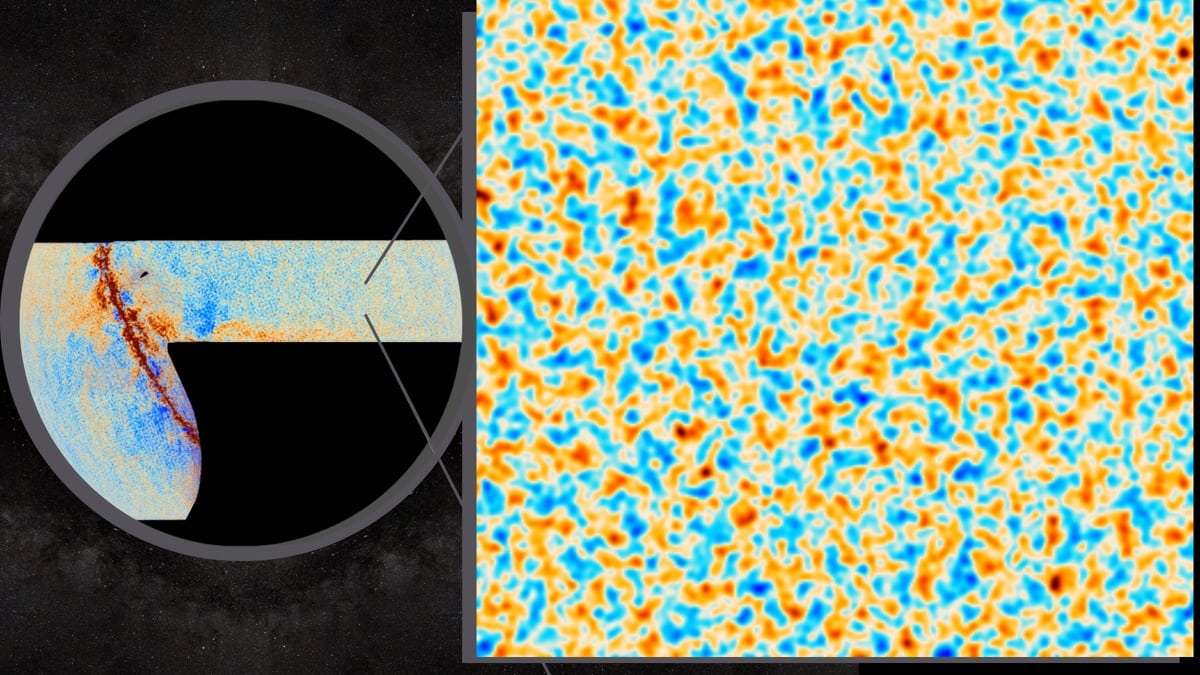
Now, with the ACT, scientists have reached a new level of precision, documenting the minute density patterns present in the early cosmos for the first time.
Breakthrough Insights from ACT
Data from the ACT telescope highlights surprising density fluctuations in the universe's earliest epoch. Rather than being uniform, the cosmos displayed varying density regions pivotal for forming large-scale cosmic structures.
Denser zones concentrated matter, eventually forming massive clouds of hydrogen and helium gas. These clouds collapsed under gravity to ignite the first generation of stars.
These observations reinforce the standard cosmological model and provide refined estimates of the universe’s age, about 13.8 billion years.
However, this work also accentuates an ongoing cosmological dilemma known as the Hubble tension, which involves conflicting measurements of how rapidly the universe is expanding, sparking lively scientific debate.
Illuminating Dark Matter and Dark Energy Mysteries
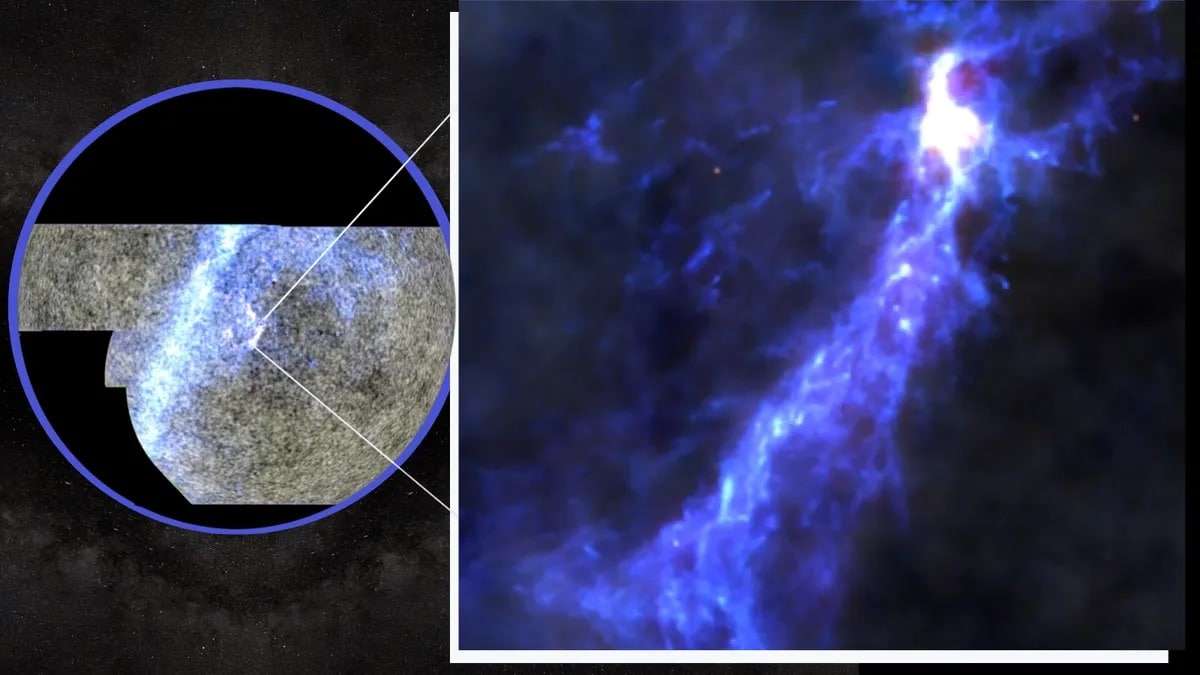
The findings hold profound promise for unraveling the nature of dark matter and dark energy, two enigmatic components that dominate the universe’s mass-energy content.
Though invisible through direct observation, these forces shape the cosmos. The CMB fluctuations detected by ACT offer critical clues toward understanding these elusive phenomena.
Looking ahead, continued advancements and upcoming instruments like the Simons Observatory aim to deliver even sharper measurements, potentially transforming our grasp of the universe’s composition and the mysteries behind its accelerating expansion.
- Categories:
- Science






0 comments
Sign in to Comment