
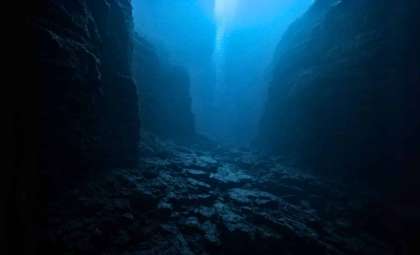
About 500 kilometers southeast of Tokyo lies a seabed cloaked beneath an almost six-kilometer-thick layer of ocean. At such depths, sunlight disappears entirely, temperatures hover just above freezing, and the immense pressure is relentless. Typically, insights into life dwelling at these depths derive from dredging and trawling methods, which often retrieve fragmented specimens from the ocean floor.
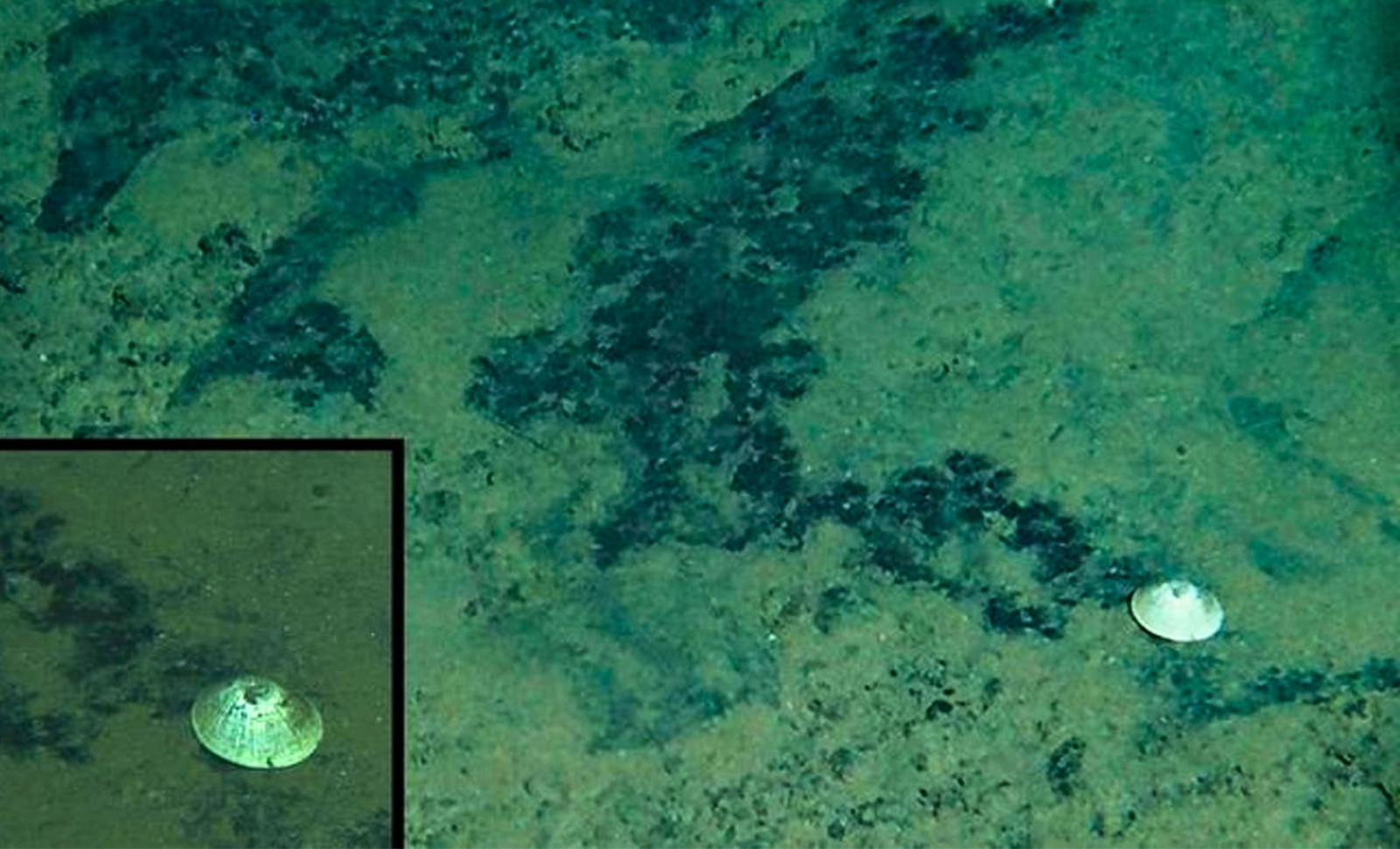
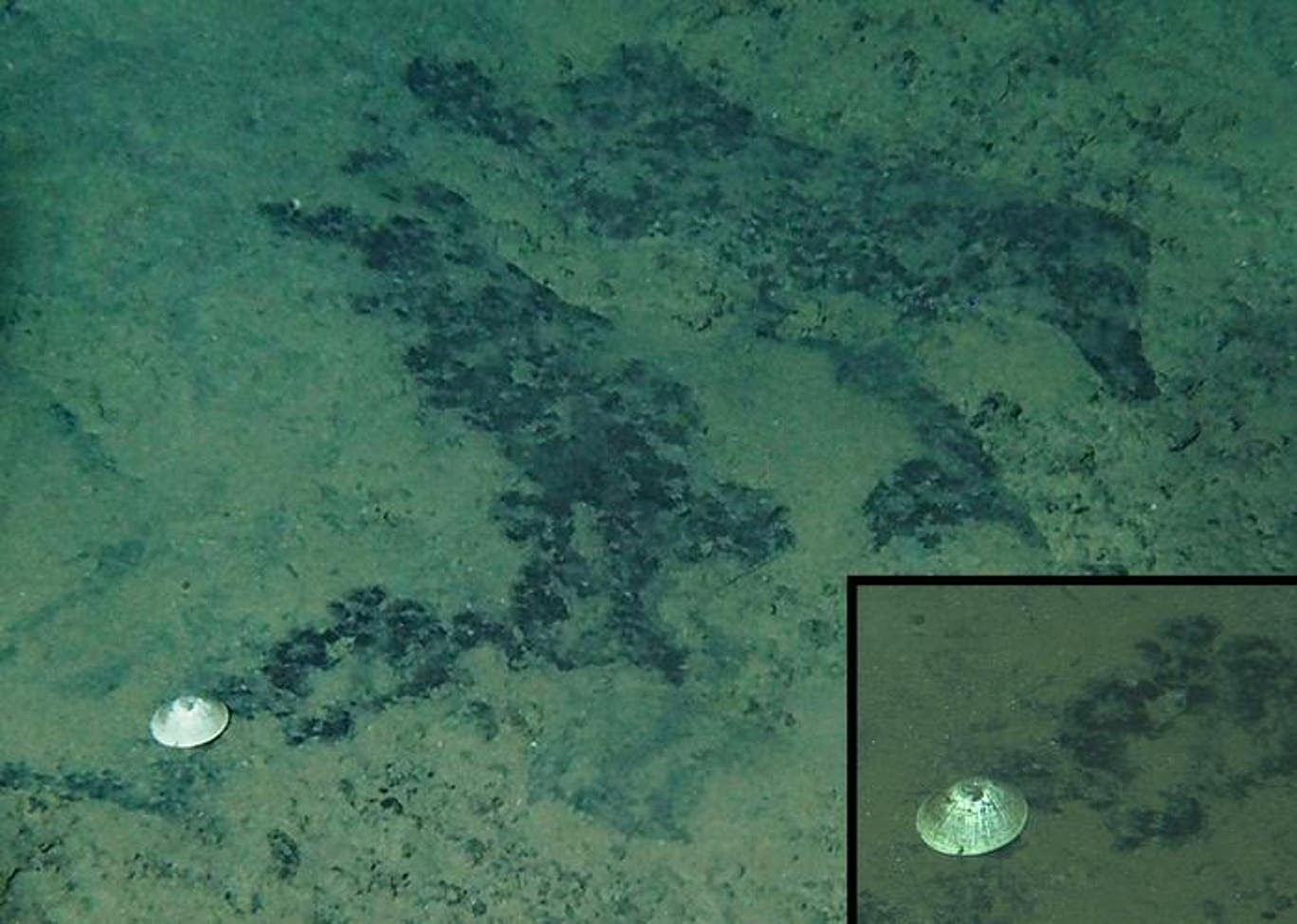
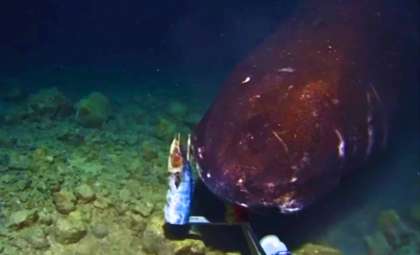
During the summer of 2025, researchers from the Japan Agency for Marine-Earth Science and Technology (JAMSTEC) adopted a novel strategy. Boarding the manned submersible Shinkai 6500, they descended to the volcanic substrate below and through the viewport, spotted a limpet—a type of marine snail—securely attached to the rock. This individual was whole, alive, and remarkably large.
The limpet was documented and collected at a staggering depth of 5,922 meters, setting a new record as the deepest known true limpet. True limpets belong to the gastropod subclass Patellogastropoda, and before this discovery, no species from this group had been spotted this far beneath the surface. The prior depth record was held by a related species, but this latest find expanded the known habitat range by several hundred meters.

The species was named Bathylepeta wadatsumi. The Bathylepeta genus is indicative of deep-sea dwellers, while the species name carries dual significance. Wadatsumi references a sea deity from Japanese folklore and also names a giant fish-man character from the manga One Piece, nicknamed “Large Monk” Wadatsumi. This is fitting, as the limpet reaches 40.5 millimeters in shell length, an impressive size for any true limpet, particularly at such depth.
Lead researcher Dr. Chong Chen explained to Discover Wildlife, “Although advanced remotely operated vehicles have revolutionized ocean exploration, human observation through crewed submersibles like Shinkai 6500 offers unparalleled perceptiveness and finesse during deep-sea expeditions.”
A Deep-Sea Snail Feeding on Sediments
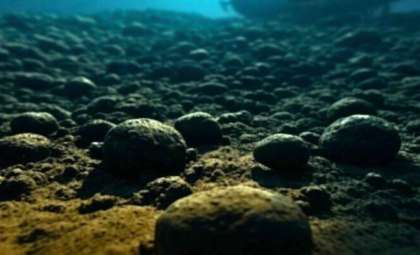
While limpets are commonly recognized as small, cone-shaped creatures clinging to intertidal rocks, Bathylepeta wadatsumi maintains this form but lives in a starkly different environment. The volcanic rocks it inhabits gather a fine sediment layer over time, which the limpet grazes on for nourishment, feeding on organic particles descending from surface waters.
This feeding strategy assigns the snail an important ecological function, processing carbon settling on solid seafloor terrains, thereby facilitating nutrient cycling in a resource-scarce abyssal ecosystem. In their publication in Zoosystematics and Evolution, the authors proposed that the Bathylepeta genus might play a significant role in carbon turnover on these abyssal rocks. The substantial size of this individual indicates the evolutionary advantages of such specialization in this niche.
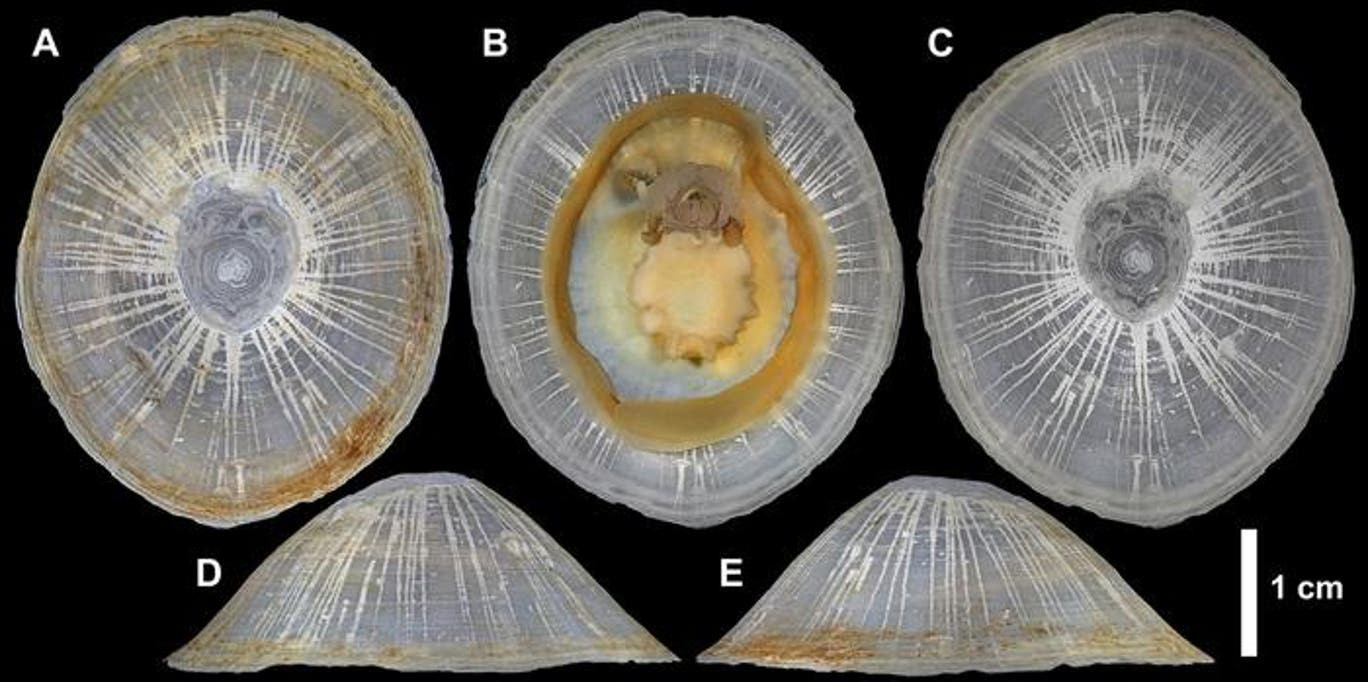
The limpet’s shell features roughly 80 white, radial streaks extending from its apex to the edge. Illuminated by the submersible’s lights, these pale markings contrast vividly with the dark basalt, helping the team to notice this remarkable creature.
The Persistent Edge of Human Observation
The Shinkai 6500 is among a select group of submersibles capable of operating at depths up to 6,500 meters. While remotely operated vehicles (ROVs) connected to surface ships explore significant parts of the deep ocean, crewed submersibles protect human explorers within sturdy titanium spheres, offering a vital advantage. Observers can detect subtle movements, unusual shapes, or textures that might go unnoticed through remote video feeds alone.
Dr. Chen argued in the study that species like Bathylepeta wadatsumi could evade detection by remote sensors entirely. The research team even acknowledged Eiichiro Oda, creator of One Piece, highlighting how the series “reminds us that the greatest journeys are fueled by freedom, friendship, and an unquenchable curiosity.”
Prior to this mission, the Bathylepeta genus had only been identified using dredging techniques that dislocated shells and tissues from their habitats, destroying contextual information. The deployment of the submersible enabled researchers to observe the limpet’s natural surroundings and behaviors in situ, as highlighted in the official announcement of the species’ discovery.
The Independent later covered the unprecedented depth and size of this deep-sea snail, emphasizing how this finding showcases the continued importance of human-piloted submersibles in exploring scarcely studied habitats. While not overturning existing scientific paradigms, the discovery adds a fascinating new species to the deep-sea biodiversity record—an organism thriving in darkness, enduring immense pressures, and anchored to primordial rock.
- Categories:
- Science




0 comments
Sign in to Comment