

In a recently released study featured in the Monthly Notices of the Royal Astronomical Society, researchers detail a singular cosmic event where a black hole consumed a massive star, releasing energy far surpassing typical supernova explosions. This remarkable occurrence, dubbed Whippet and identified as AT2024wpp, was detected thanks to advanced telescopes and orbiting observatories, notably the Zwicky Transient Facility and NASA's Swift satellite.
An Extraordinary Celestial Event
The detection of the Whippet phenomenon has captivated astrophysicists worldwide. Leading author and Associate Professor of Astrophysics Daniel Perley, who presented the findings at the 2026 American Astronomical Society conference, explained, “We observed what appears to be a black hole merging with a substantial star, dismantling it into a debris disk that then fuels the black hole’s growth. This is an exceedingly rare and awe-inspiring occurrence.”
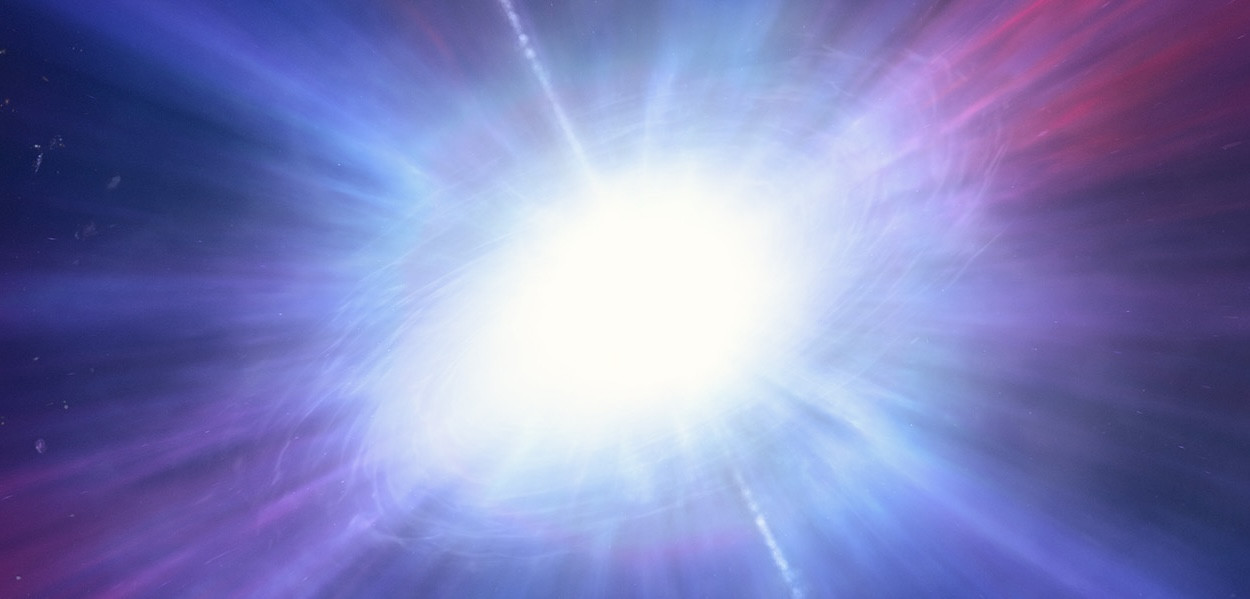
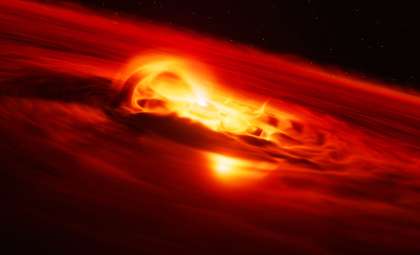
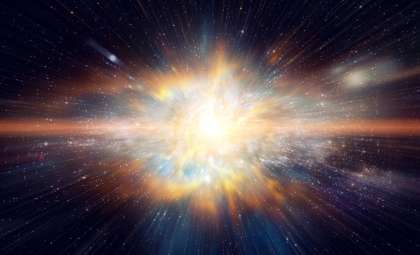
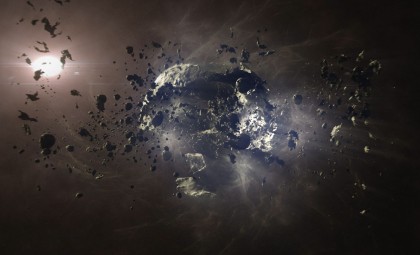
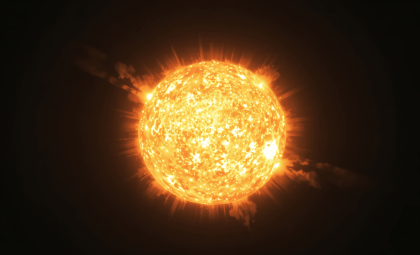
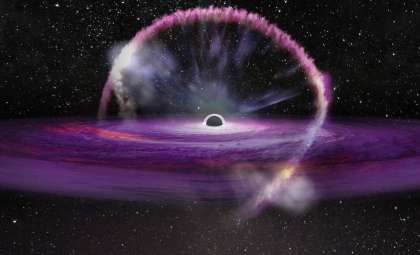
This violent interaction transpired as the intense gravitational pull of a black hole disintegrated a massive star, forming a swirling disk of stellar remnants that spiraled into the black hole. The ensuing blast unleashed energy approximately 400 billion times greater than the sun’s output, dwarfing any recorded supernova energies. Such cataclysms are known as Tidal Disruption Events (TDEs), yet this particular case stands out due to its extraordinary scale.

A Novel Class of Stellar Explosion
While Tidal Disruption Events are documented phenomena, the Whippet case represents an unprecedented leap in intensity. Perley remarked, “Although we anticipated a TDE, witnessing an event with energy far exceeding any previously recorded stellar collapse was astonishing.” Unlike typical TDEs where stars are consumed by black holes, none have been noted to emit energy levels comparable to Whippet. This breakthrough raises new questions about the extreme dynamics between black holes and stars and the underlying forces powering such massive explosions.
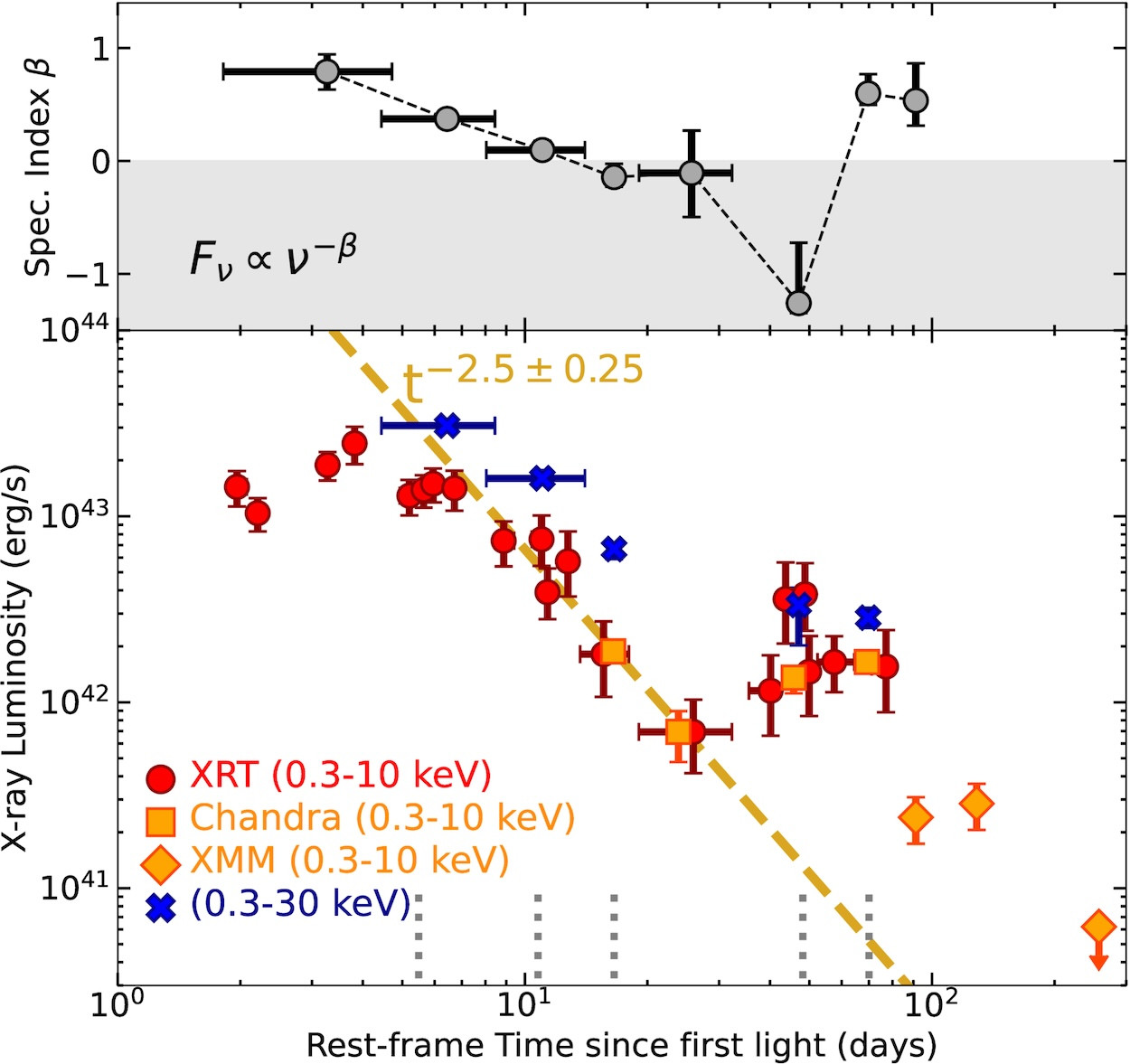
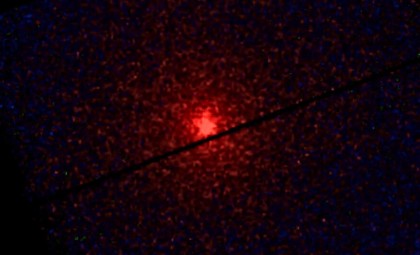
A notable characteristic of this event is its categorization as a Luminous Fast Blue Optical Transient (LFBOT), a relatively little-understood variety of explosive stellar events. Research published in the Astrophysical Journal Letters describes LFBOTs by their intense brightness, blue hue, and X-ray emissions—all aspects observed during the Whippet occurrence. This classification offers astronomers a new framework to recognize and examine similar phenomena, potentially deepening insight into black hole activity.
Combined Observations Enable Breakthrough
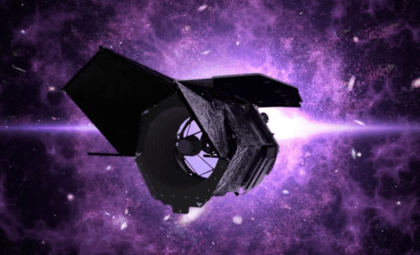
The detection of Whippet was made possible through coordinated efforts of multiple observatories, both terrestrial and orbital. The initial alert came from the Zwicky Transient Facility at California’s Palomar Observatory, which detected the transient light reaching our planet. Quick follow-up studies were conducted using the Liverpool Telescope situated in the Canary Islands, as well as NASA's Swift telescope, which verified the event's unique composition identifying it as an LFBOT.
Additional collaboration from experts like R. Michael Rich of UCLA and Yu-Jing Qin from Caltech helped pinpoint the event’s location and confirm the extraordinary energy released.
“Not only do these events help us identify black holes,” Perley added, “they provide a new way to identify where black holes occur and how they form and grow, and the physics of how this happens.”
The Whippet phenomenon exemplifies the frontier of black hole research, highlighting how cutting-edge observation technologies are unveiling rare and magnificent cosmic displays.
- Categories:
- Space


0 comments
Sign in to Comment