
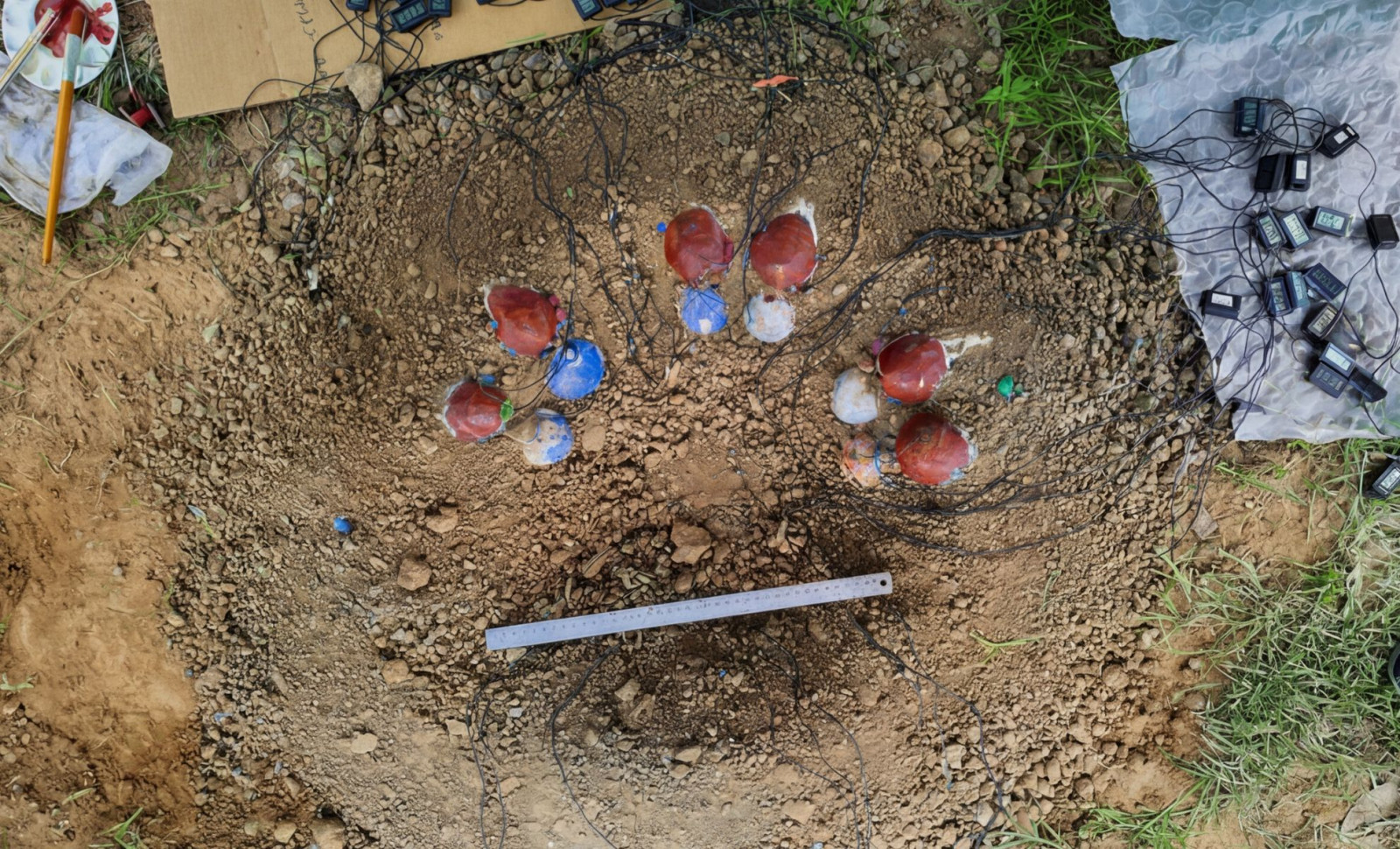
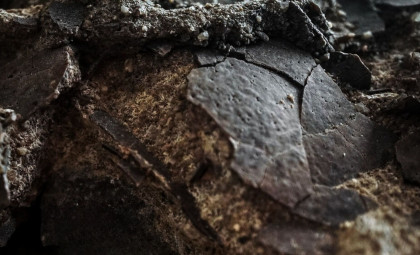
A life-sized replica of an oviraptor nest has provided new insights into the incubation methods of these prehistoric creatures. Findings indicate a combination of body-generated heat and solar energy led to uneven warming, causing eggs to hatch non-synchronously.
The research, featured in Frontiers in Ecology and Evolution, addresses a long-standing debate about whether oviraptor incubation resembled that of reptiles or birds. The evidence points to a unique intermediate approach.
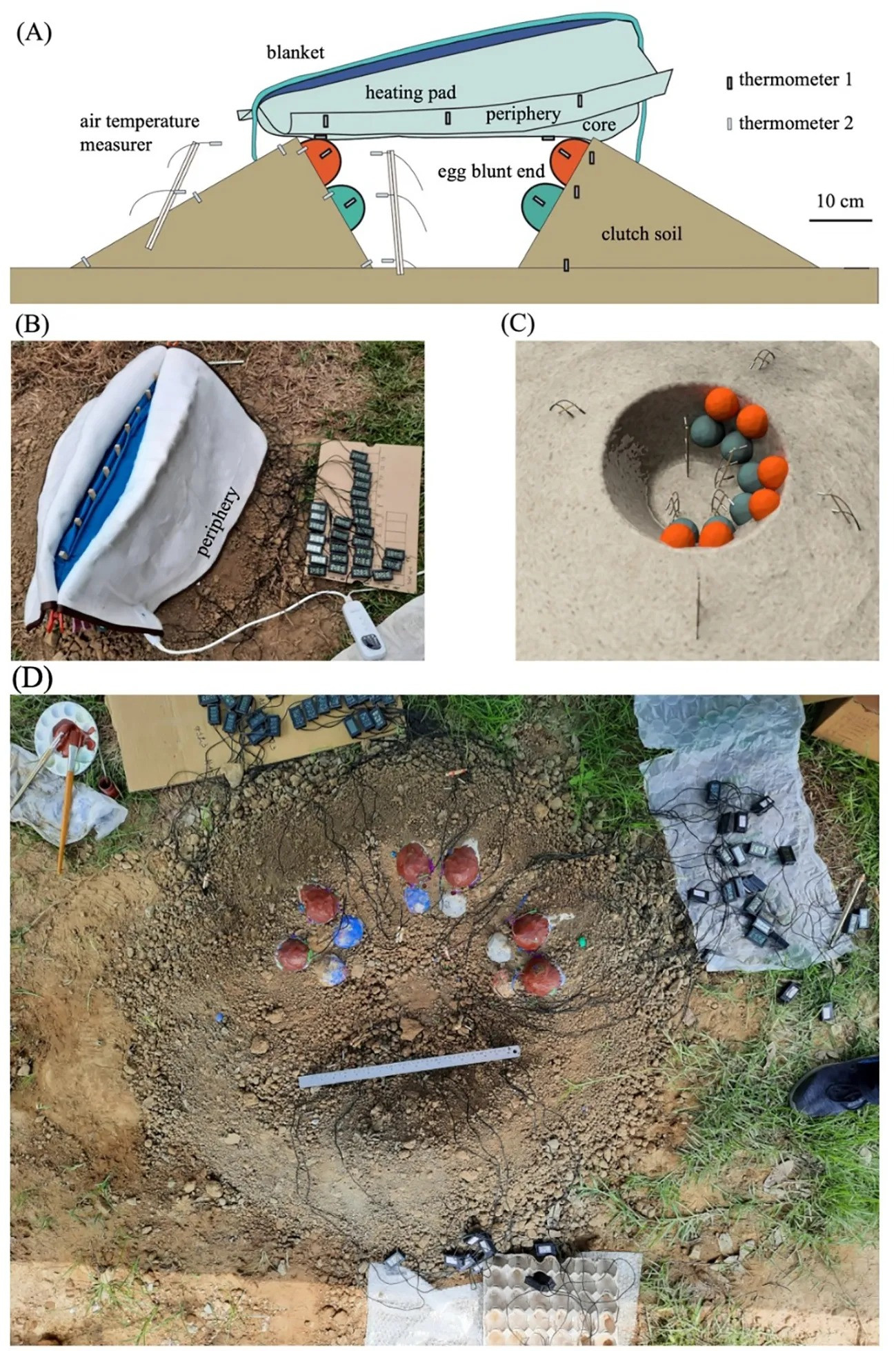
The Taiwan-based team used a mix of simulations and a full-scale physical model of the dinosaur and its nest. This approach enabled direct observation of heat flow through the eggs under controlled experimental setups.

An Unusual Nest Structure
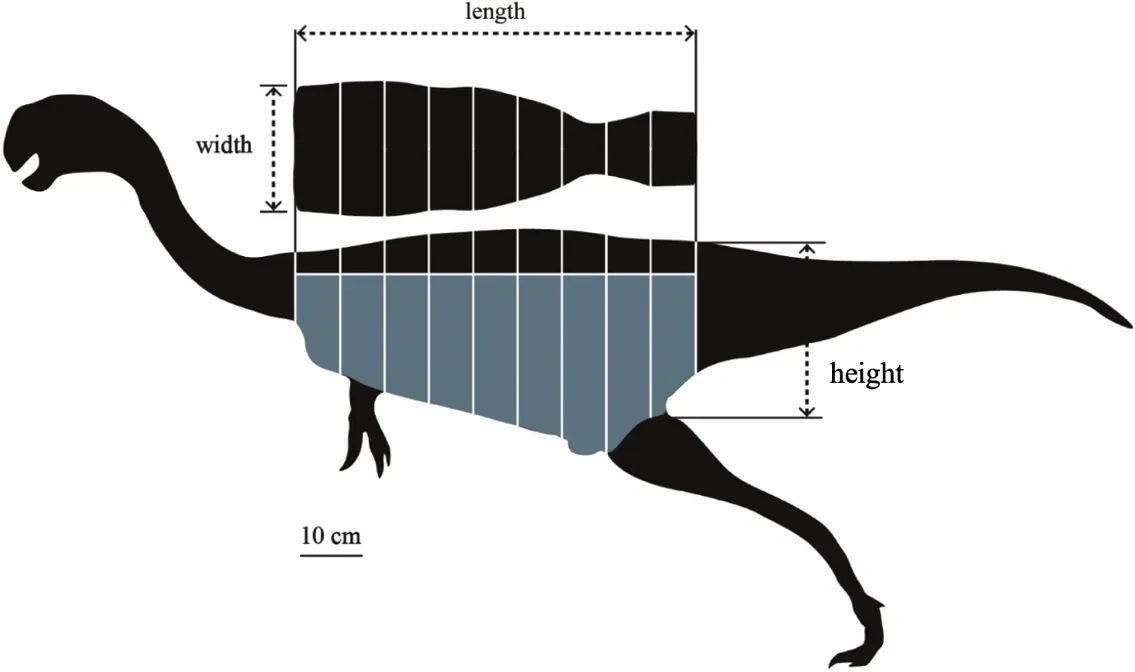
The study focused on Heyuannia huangi, a species from 70 to 66 million years ago. It grew to about 1.5 meters long and weighed roughly 20 kilograms, but its nesting behavior was particularly distinctive.
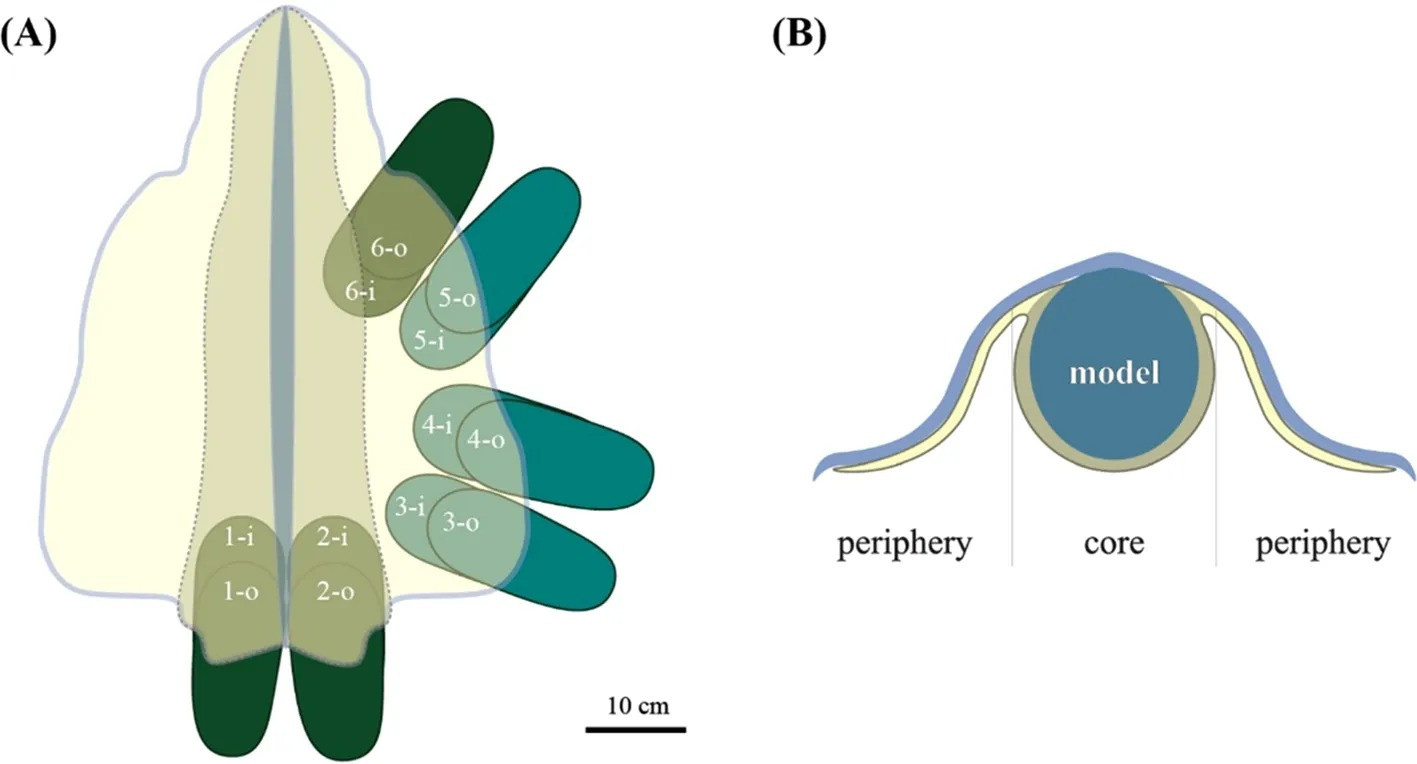
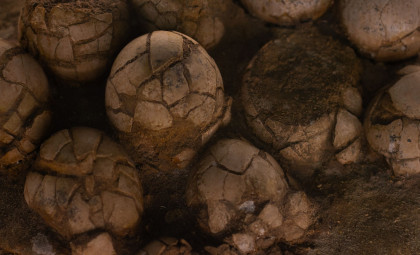
Oviraptors organized their eggs in concentric rings inside nests that were only partially enclosed. The researchers replicated this configuration using polystyrene foam, wood, and layered materials to simulate the adult’s body, alongside resin eggs arranged in double circular formations. According to Frontiers in Ecology and Evolution, reproducing the nest’s intricate design was key due to its impact on heat flow.
“Part of the difficulty lies in reconstructing oviraptor incubation realistically,” said Chun-Yu Su, noting the lack of modern equivalents. “For example, their eggs are unlike those of any living species, so we invented the resin eggs to approximate real oviraptor eggs as best as we could.”
Temperature Variations Within The Nest
Testing revealed distinct temperature differences between the eggs, with the outer ring experiencing differences as high as 6°C in cooler climates. In warmer scenarios, the variation decreased to about 0.6°C.
Dr. Tzu-Ruei Yang highlighted that the adult dinosaur’s position played a crucial role in heating distribution. This uneven warming likely caused some eggs to hatch earlier than others within the same nest.
The analysis also emphasized the importance of sunlight, explaining that the nest’s partially open design allowed solar heat to have a stronger influence than ground heat, contrasting with incubation methods found in reptiles like turtles.
Incubation Approach Different From Modern Birds
Unlike contemporary birds that regulate egg temperature by direct, consistent contact, oviraptors’ circular nesting arrangement prevented constant warming of each egg. This limitation resulted in less efficient incubation, described as co-incubation, combining warmth from the adult’s body with environmental heat.
“Modern birds aren’t ‘better’ at hatching eggs. Instead, birds living today and oviraptors have a very different way of incubation or, more specifically, brooding,” Yang said. “Nothing is better or worse. It just depends on the environment.”
- Categories:
- Science



0 comments
Sign in to Comment