
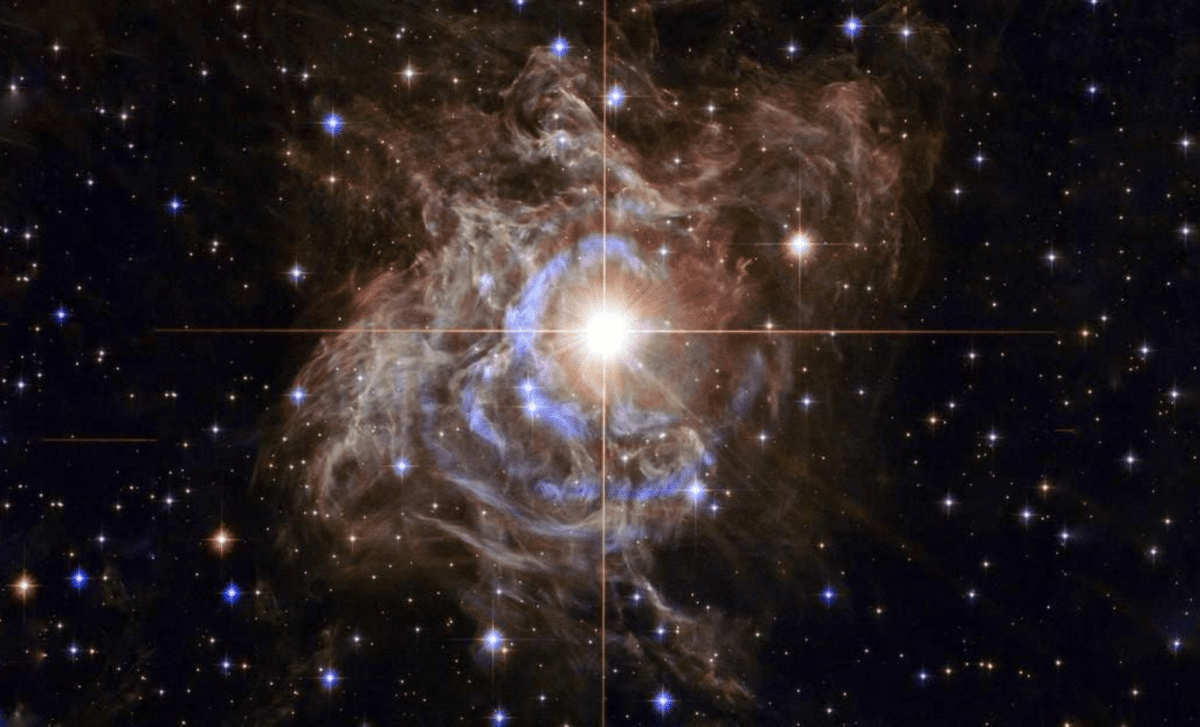
A global team of cosmologists has succeeded in achieving remarkable precision in determining the Hubble constant, a key value that describes how quickly the universe is expanding and helps estimate its age. By integrating various measurement approaches and improving their accuracy, the researchers have produced a consolidated value with unprecedented confidence. Despite these advancements, a perplexing issue known as the Hubble tension continues to challenge current cosmological theories, suggesting new avenues for exploration.
Understanding the Ongoing Puzzle of the Hubble Tension
The Hubble constant defines the speed at which cosmic expansion occurs. Over many years, different observational strategies—from galaxy surveys to examining the cosmic microwave background (CMB)—have yielded conflicting estimations of this constant. This discrepancy, referred to as the “Hubble tension,” reflects the contrast between expansion rates gauged locally and those inferred from models of the early universe.
“The prevailing cosmological model predicts that the Hubble constant should be 10% smaller than we measure directly,” explains lead author Stefano Casertano from the Space Telescope Science Institute in Baltimore. “This is known as the Hubble tension, and the difference is more than five times the combined uncertainty of both models and measurements.”
Add Cosmo Herald as a Preferred Source

This striking disagreement in measurement outcomes provokes a reevaluation of the fundamental physics that govern cosmic expansion.
Rather than being a mere statistical fluke, this tension might indicate unknown processes or new physics beyond the standard cosmological framework. Resolving this enigma could revolutionize how scientists understand the universe's growth. The multinational research team published their findings in Astronomy & Astrophysics, proposing a comprehensive statistical method to merge disparate measurements into a consistent and highly reliable figure.
Combining Techniques for a Unified Measurement of Expansion
In response to the conflicting estimates of the Hubble constant, the international collaboration sought to harmonize various measurement strategies. Drawing on expertise worldwide, they aimed to merge the distinct datasets into a singular precise result. Each approach possesses unique advantages and limitations, often relying on differing distance indicators and calibration methods, making integration complex.
As co-author Adam Riess from the Space Telescope Science Institute notes,
“We then developed a statistical framework to properly combine all of these measurements together, and to identify any possible inconsistencies.”
Through this collective effort, the team reconciled the various techniques, producing a cohesive measurement far more accurate than previous individual determinations.
The culmination of their work is a determination of the Hubble constant with 1% uncertainty, marking a major advancement in precision cosmology. Nonetheless, even this refined value does not eliminate the discrepancy with early universe-based predictions.
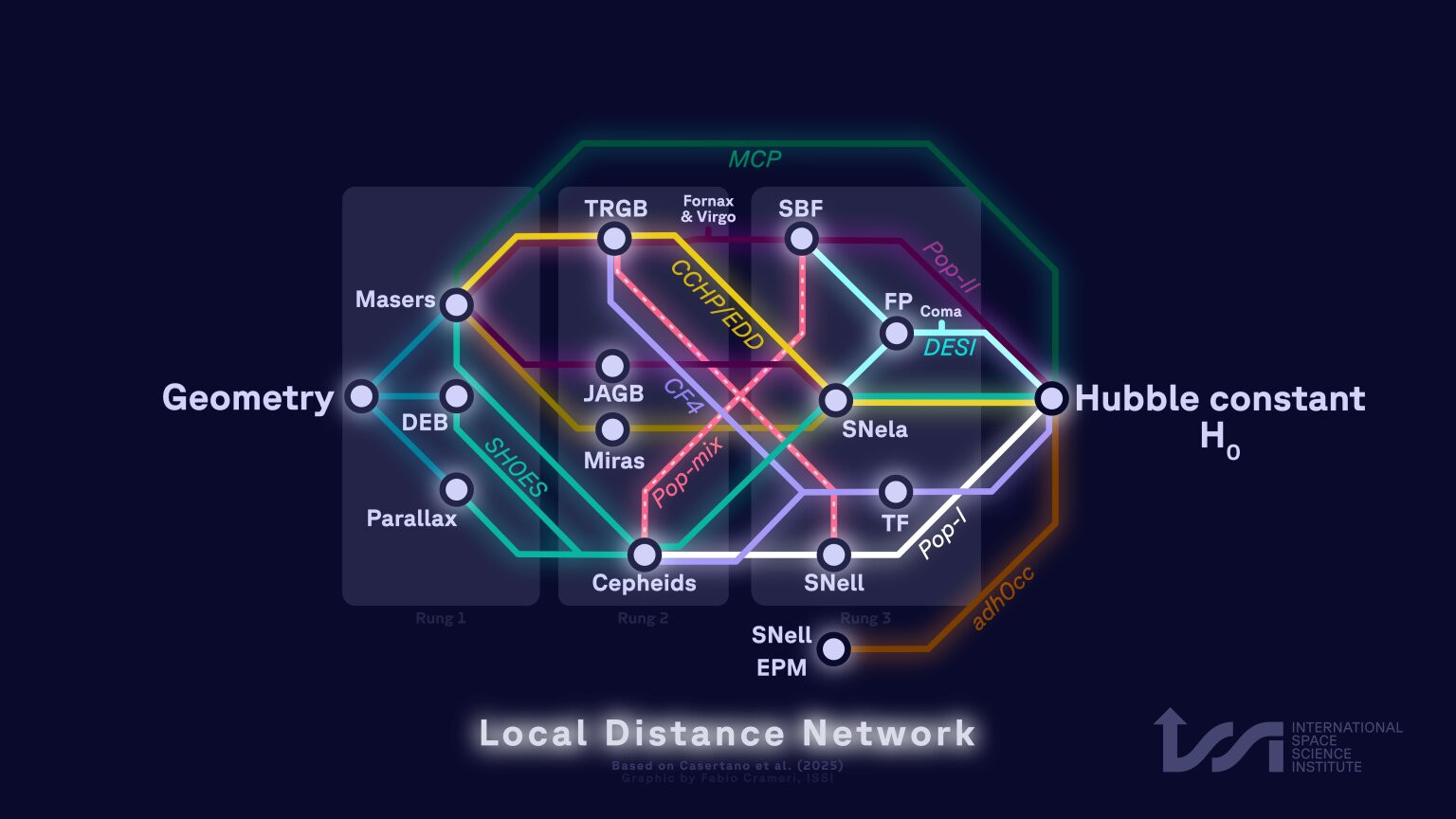
Setting a New Standard: Achieving 1% Precision
This consortium has delivered the most accurate measurement of the Hubble constant to date, attaining an unprecedented 1% precision threshold. Casertano highlights, “This is the most precise measurement to date, achieving 1% accuracy for the first time. We also found that no single measurement or thread is critical to this result; any component can be eliminated entirely, and the value of the Hubble constant remains essentially unchanged.”
This milestone showcases the dedication of the researchers in refining and cross-validating different methodologies to minimize uncertainties. Despite this success, the unresolved conflict with theoretical expectations from early universe observations persists.
While the refined value narrows down the exact expansion rate, it also emphasizes the necessity for continued research to explain the intriguing disparities in cosmic measurements.
- Categories:
- Astronomy





0 comments
Sign in to Comment