
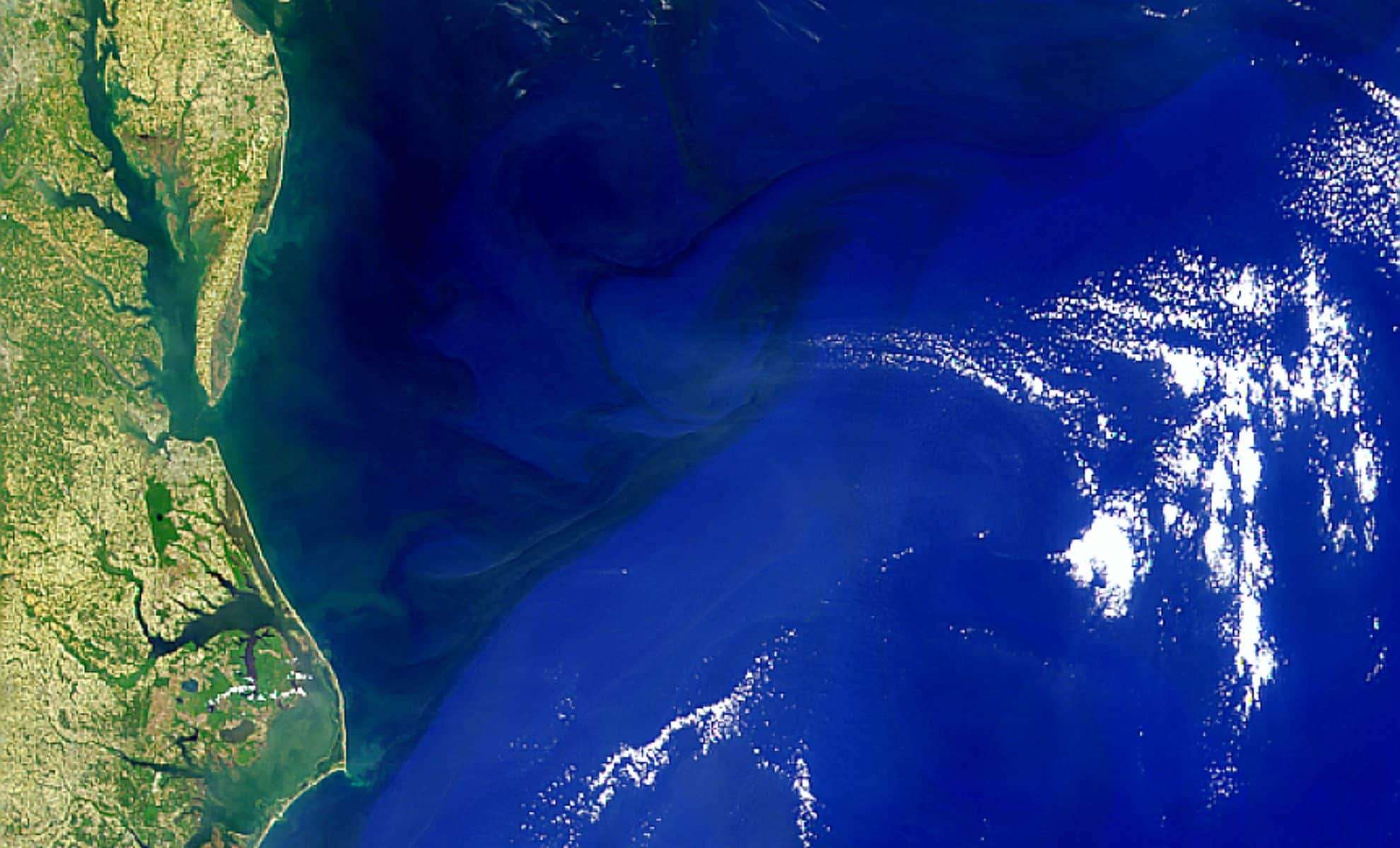
A pioneering investigation led by Edward Forman from the University of Southampton alongside James Baldini of Durham University employed an innovative approach studying stalagmites within Bermuda’s caves to monitor centuries-long variations in the Gulf Stream. Appearing in Nature Communications Earth & Environment, their findings offer vital clues about the Atlantic Meridional Overturning Circulation (AMOC) and its implications amid rising global temperatures. The original study was featured by The Conversation where the long-term changes in the Gulf Stream and potential global climate impacts were discussed.
Stalagmites as Windows into Historical Climate Shifts
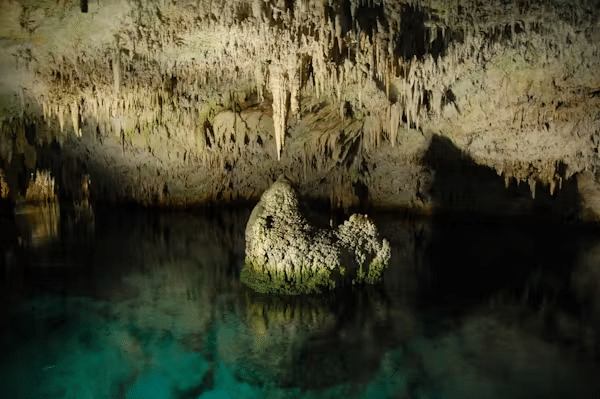
Known mostly for their geological allure, stalagmites have become crucial tools in reconstructing historical climate data. Bermuda’s cave systems house these mineral formations, which accumulate at a remarkably slow pace—sometimes just a millimeter every few years. These speleothems capture the chemical signature of dripping water, allowing scientists to backtrack past sea surface temperatures and, consequently, understand how ocean currents and localized climates evolved over centuries.
The study revealed that colder climate phases brought stronger winds, producing increased sea spray that leaves distinctive markers within the stalagmites’ mineral layers. “Analyzing the chemistry of one of these stalagmites has thus enabled us to indirectly reconstruct past sea surface temperatures,” the team explained. This technique reveals valuable insights into the Gulf Stream’s patterns over hundreds of years, enriching our knowledge of oceanic circulation and its relationship with climate dynamics.

Chronicling Gulf Stream Movements and AMOC Trends Over Centuries
The Gulf Stream, a predominant Atlantic ocean current, significantly influences climate in Western Europe and parts of North America by transporting warm waters northward from the Gulf of Mexico. Upon reaching cooler northern waters, the current’s waters cool and sink, enabling the continuous southward return flow. These processes drive the AMOC, critical for stabilizing Earth's climate.
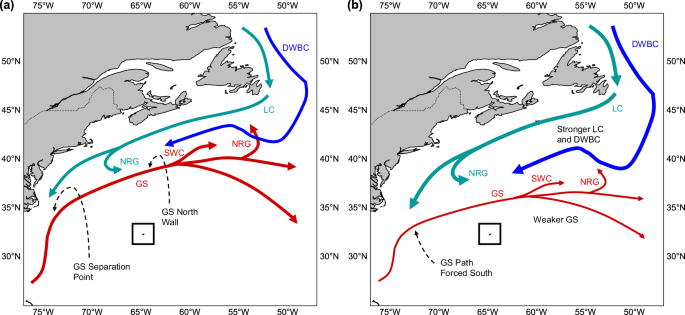
By utilizing data from Barbados stalagmites, scientists tracked Gulf Stream changes dating back to 1449. Their results highlighted a northward relocation about 300 years ago, coinciding with a weakening AMOC. This suggests AMOC’s decline started centuries before industrialization and global warming, highlighting its vulnerability and the potential for widespread climatic disruptions if further deterioration occurs.
Implications for Climate Stability Amid Rising Temperatures
The study underscores the danger posed by an ongoing AMOC slowdown. Climate projections warn that if global temperatures surpass 1.5°C, the AMOC could destabilize further, with some forecasts anticipating a potential collapse this century. While the IPCC estimates a roughly 10% risk of AMOC breakdown by 2100, these new insights imply the threat could be even more urgent.
Even modest alterations in ocean circulation risk triggering profound shifts in regional climates. “Persistent Gulf Stream shifts would reshape temperature, precipitation, and extremes in weather,” the authors warned. These changes could jeopardize agriculture, ecosystems, and water resources reliant on predictable climate patterns. “Such disruptions may severely affect biodiversity and food security as natural environments struggle with rapid adaptation,” they added, underscoring the critical need to deepen our understanding and mitigation efforts regarding climate impacts on ocean systems like the Gulf Stream.
- Categories:
- News


0 comments
Sign in to Comment