
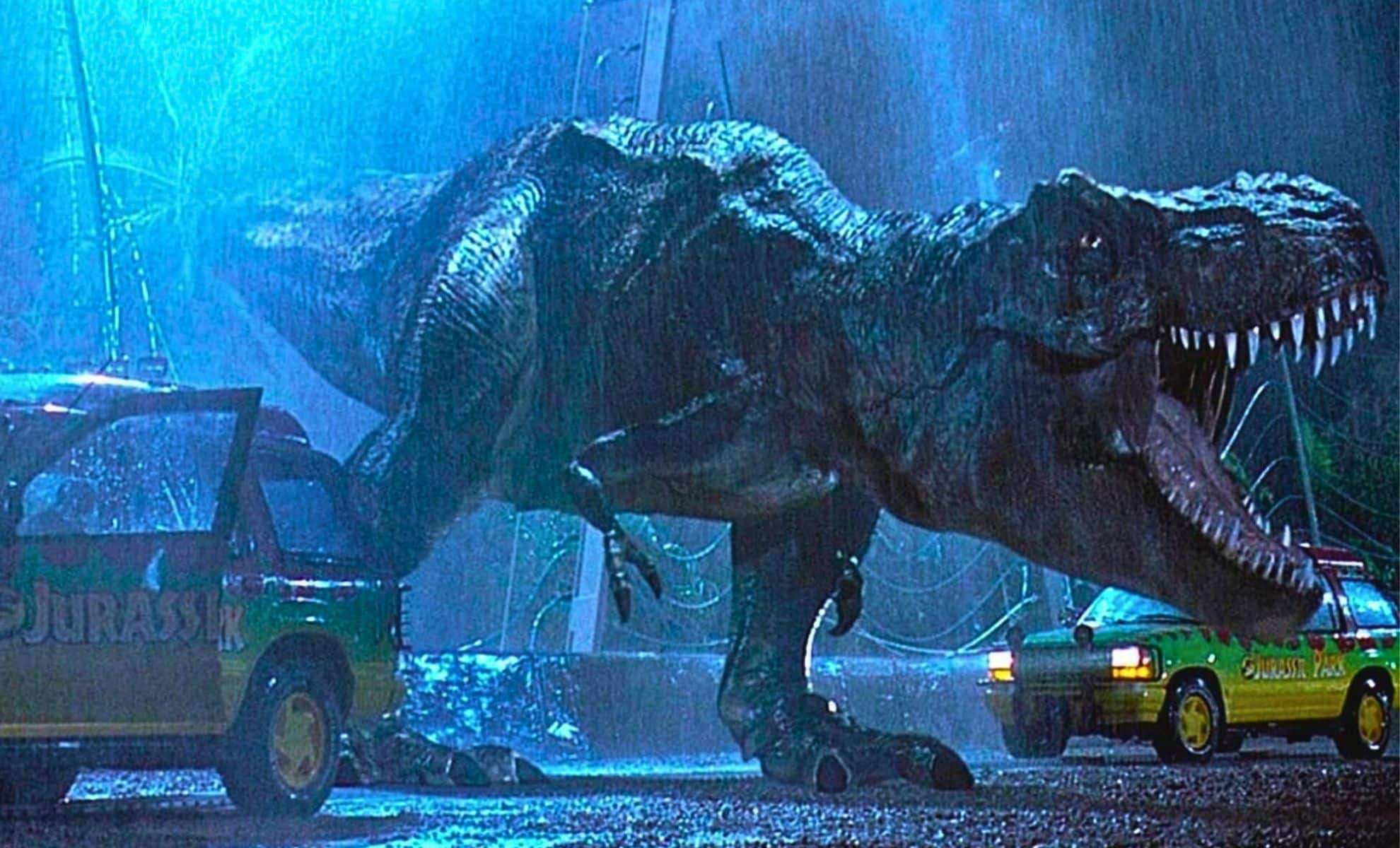
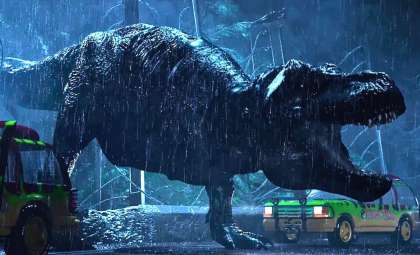
When people imagine dinosaurs, they often picture them emitting a formidable, earth-shaking roar. This popular image, largely inspired by the 1993 film Jurassic Park and echoed across media and merchandise, has deeply influenced public perception. However, experts in paleontology and evolutionary biology argue that this portrayal is likely inaccurate. Scientific evidence has long suggested an alternate reality for dinosaur vocalizations.
Emerging research indicates that dinosaurs probably did not roar in the manner Hollywood depicts. Instead, they may have emitted low-frequency sounds, ranging from rumbles and booms to noises produced without opening their mouths. These sounds might resemble the low growl of a crocodile or the rhythmic hum of an ostrich, rather than the exaggerated roars crafted for movies.
The Hollywood Creation Behind the Dinosaur’s Roar
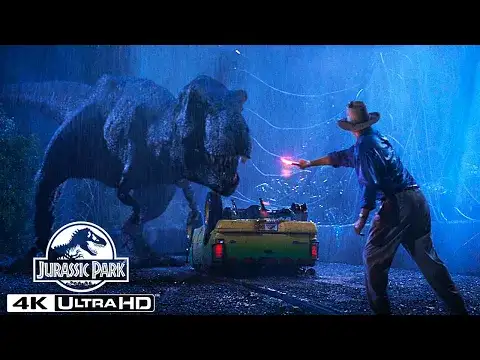
The memorable roar of the Jurassic Park T. rex was not grounded in paleontological data but was instead an imaginative concoction by sound designers. Gary Rydstrom, the film’s late sound effects creator, explained that the iconic roar was an amalgamation of slowed-down recordings of a baby elephant, tiger growls, and alligator hisses, layered to evoke a raw and terrifying aura.

In a 2023 interview reflecting on the film’s audio, Rydstrom noted, “We weren’t aiming for authenticity. Our goal was to create something unforgettable.” While the roar became a defining cinematic element, it did not reflect scientific accuracy.
During the movie’s production, the science of vocal anatomy in dinosaurs was still immature. By the early 1990s, only a handful of seven Tyrannosaurus rex fossils had been found, none revealing definitive vocal traits. The film’s roar served storytelling rather than scientific truth, though audiences prioritized entertainment over precision.
Scientific Insights into Dinosaur Vocalizations
Modern research examines dinosaur sounds by studying their closest living relatives: birds and crocodilians. Sharing a common evolutionary background, these animals exhibit vocal methods different from mammals. A 2016 paper in Evolution by Dr. Julia Clarke and her team explored bird vocal anatomy and proposed that some dinosaurs might have produced sound through closed-mouth vocalizations—a booming technique requiring no jaw movement.
Such sounds are typical in living species like ostriches, doves, and crocodiles, characterized by deep hums or low-frequency rumbles that resonate physically. The widespread assumption that dinosaurs roared like mammals such as lions or bears is likely flawed, considering dinosaurs were far removed from mammals in evolutionary terms.
“To imagine a T. rex’s voice, ” Clarke stated in National Geographic, “it’s more accurate to listen to an emu or crocodile than any roaring mammal.”

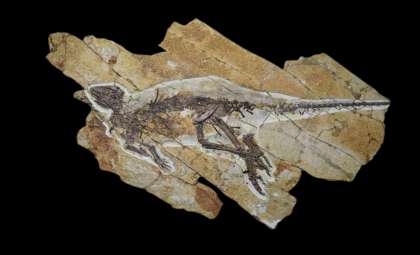
Supporting evidence comes from fossil structures, including skull shapes, specialized chambers for sound resonance, and air sac systems that hint at a capacity to produce deep, resonant calls. These sounds would be effective for communicating over long distances or through thick foliage.
Why the Dinosaur Roar Endures Despite Being Incorrect
So why does the idea of a dinosaur roar remain entrenched even as science updates our knowledge? The answer lies in its powerful appeal. Spielberg’s dinosaur scenes were designed as immersive audiovisual spectacles, capitalizing on new surround sound technologies like DTS to captivate audiences. The T. rex’s roar became one of cinema’s most iconic audio moments.
This effect was so influential that museums adopted roaring dinosaur exhibits, even when aware the sound was inaccurate. Educators in paleontology sometimes face a tough choice between presenting scientifically accurate but less dramatic sounds and meeting visitors’ expectations shaped by popular culture. Introducing quieter rumbling sounds might confuse or disappoint their audience.
As University of Maryland paleontologist Dr. Thomas Holtz explains, “People want frightening dinosaurs. A subtle rumble might be true scientifically, but the roar feels authentic because that’s what culture has taught them.”
Moving Towards More Accurate Dinosaur Sound Experiences
Today, museums and media producers are actively exploring ways to present prehistoric soundscapes that better reflect scientific findings. Some exhibits incorporate immersive, tactile sound technologies, enabling visitors to feel low-frequency vibrations via specialized floors and speakers. For example, the Berlin Museum of Natural History recently swapped traditional dinosaur calls for infra-bass pulses similar to vocalizations from large birds and crocodilians.
Filmmakers and educational institutions aim to strike a balance by maintaining the cultural impact of dinosaur sounds while incorporating credible scientific elements. This approach might involve introducing plausible speculative sounds derived from evolutionary data or showcasing dinosaurs communicating through unfamiliar, yet biologically grounded, vocalizations.








0 comments
Sign in to Comment