
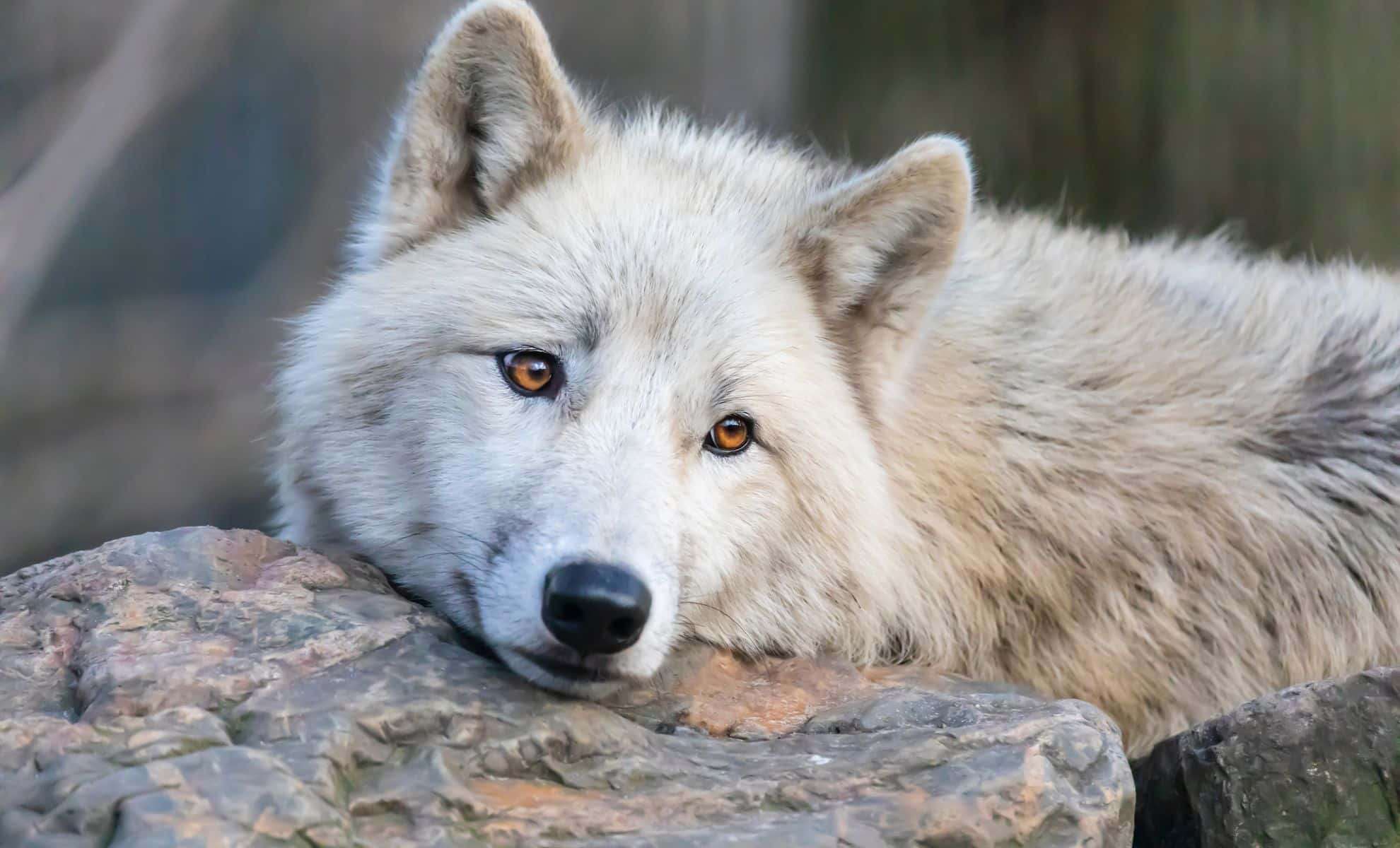
Known locally as Qimmeq, Greenland’s sled dogs have been indispensable companions to the Inuit communities braving the Arctic’s extreme climate. Recent advances in genetic research involving both contemporary and ancient dog samples are uncovering compelling insights into this breed’s extensive lineage—tracing back nearly a millennium. Scientists now propose that these dogs could represent the oldest dog breed still in existence today.
Greenland Sled Dogs: A Hidden Chapter in Arctic History
For over 9,500 years, sled dogs have been essential for survival in the Arctic region, enabling indigenous groups to navigate and endure the most forbidding landscapes. Among them, the Greenland sled dog has continuously supported Inuit hunters and travelers for about 1,000 years. However, this historic breed faces new challenges as climate shifts and the rise of snowmobiling have sharply reduced their numbers—from approximately 25,000 in 2002 to just around 13,000 by 2020.
Such a precipitous decrease has prompted urgent efforts among researchers to document the genetic heritage of these dogs. Through careful examination of DNA from both present-day sled dogs and canine remains excavated at archaeological sites, scientists aim to deepen understanding of the breed’s ancestry and aid in its preservation.

Tracing Ancient Genetic Lineages
Tatiana Feuerborn, a postdoctoral researcher at the US National Institutes of Health, spearheaded a study that sequenced the genomes of 92 Greenland sled dogs spanning roughly 800 years. By comparing these sequences with a vast database encompassing over 1,900 dog genomes, the investigation revealed that Greenland sled dogs form a distinct genetic cluster. This cluster also encompasses ancient Arctic dogs, notably a specimen from Alaska dating back 3,700 years, indicating enduring genetic links across northern canine populations.
The analyses also shed light on Inuit migration patterns, supporting the idea that Inuit groups moved from northern Canada into Greenland approximately 200 years earlier than archaeological estimates have long suggested. This predates the arrival of Norse settlers, offering new perspectives on the human history of the Arctic.
Decoding the Genetic Heritage of the Qimmit
Despite some contact with European colonists during the 18th century, the Greenland sled dog, or Qimmit, has remained genetically distinct from European breeds. The research identified four unique genetic subgroups within the sled dog population, each corresponding to different geographic regions of Greenland. This highlights the close relationship between these dogs and traditional Inuit cultural territories.
The study team emphasized the broader implications: “While ancient DNA dog studies typically focus on large-scale regions and timespans, this research lays groundwork for future investigations using time-series genomes to track local animal evolution influenced by human activity and environmental factors.” With the Qimmit’s population decreasing amid rapid ecological change, this genetic insight is key for conserving a breed with extraordinary historical and cultural significance.
- Categories:
- News









0 comments
Sign in to Comment