

Deep beneath the vast, unexplored ocean floors lies a groundbreaking energy source with the power to revolutionize how humanity meets its power needs: geothermal energy. These underwater geothermal vents, fissures in the Earth’s crust that release steady heat from the planet’s interior, represent a largely untapped and continuously renewable energy reservoir. Unlike finite fossil fuels or dependent solar and wind power, geothermal energy offers a stable and clean alternative capable of powering civilizations far into the future.
The prospect of utilizing this resource is immense. It promises to dramatically decrease our reliance on fossil fuels, promote sustainable growth, and combat climate change, offering reliable energy access worldwide. However, unlocking this potential demands significant technological advances, international cooperation, and bold initiatives to navigate the intricate challenges tied to deep-sea environments.
Harnessing Underwater Geothermal Power: A Vast Opportunity
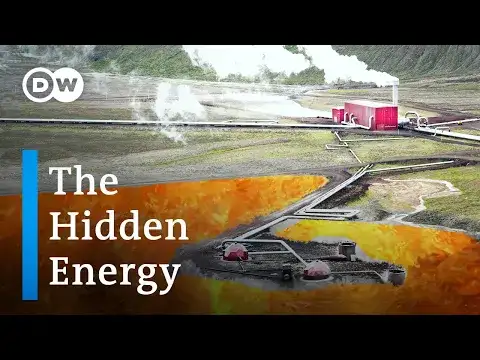
Geothermal energy has been used by humans in geothermal hotspots such as Iceland and Yellowstone for centuries. Yet, the vast majority of its capacity lies below the ocean’s surface, where tectonic activity creates hydrothermal vents that constantly discharge heat. These submarine vents, located in extreme and remote marine regions, provide a dependable energy stream, unimpeded by the intermittencies that affect solar and wind energy. Their steady output offers an ideal alternative to fossil fuels, combining environmental friendliness with consistent power generation.

The sheer volume of heat released from these vents is awe-inspiring. If fully tapped, this geothermal resource could not only fulfill but surpass global energy requirements, positioning it as a cornerstone for a sustainable energy future. This shift would greatly aid efforts to address climate challenges while ensuring uninterrupted energy supply. Yet, their deep-sea location poses technological and logistical hurdles unlike any previously faced.
Overcoming Obstacles to Unlock Oceanic Geothermal Energy
Extracting geothermal power from the ocean bed is a monumental challenge. The primary step involves identifying and mapping the most productive geothermal vents across largely uncharted seabeds. This requires advanced exploration tools such as autonomous submarines and remotely operated vehicles (ROVs), equipped to operate under extreme pressures and temperatures where conventional devices fail. Locating zones of maximum heat output and energy potential will be a painstaking and time-intensive process.
Following discovery, the next major task is engineering sophisticated infrastructures capable of capturing this heat and converting it into electricity. This will likely entail constructing vast underwater installations with heat exchangers and turbines, alongside laying extensive undersea cables to transmit power effectively to terrestrial grids. The financial investment could reach hundreds of billions of dollars, demanding unprecedented global collaboration among engineers, policymakers, and industry leaders.
Additionally, geopolitical issues arise as many geothermal sites lie in international waters governed by frameworks like the United Nations Convention on the Law of the Sea. Determining ownership, equitable resource sharing, and regulatory oversight are critical factors to address to avoid conflict and foster international unity in harnessing these resources.
The Critical Role of Geothermal Energy in Future Energy Landscapes
Despite these significant challenges, the potential rewards of tapping into subsea geothermal energy are immense. Fossil fuels remain environmentally damaging and finite, threatening global energy security as reserves diminish. While solar and wind have advanced, their reliance on weather patterns limits their ability to serve as sole energy sources. Geothermal energy, with its consistent and inexhaustible nature, stands out as a promising candidate for becoming humanity’s primary power supply.
The environmental advantages are striking. Utilizing geothermal energy would significantly lower greenhouse emissions, playing a vital role in mitigating climate change. It would eliminate many ecological harms from traditional energy extraction methods. Beyond environmental impacts, developing geothermal power could transform global energy markets, reducing dependency on oil-dominant regions and enabling fairer energy access worldwide. This shift could empower emerging economies to engage more robustly in the global economic system.
- Categories:
- News










0 comments
Sign in to Comment