
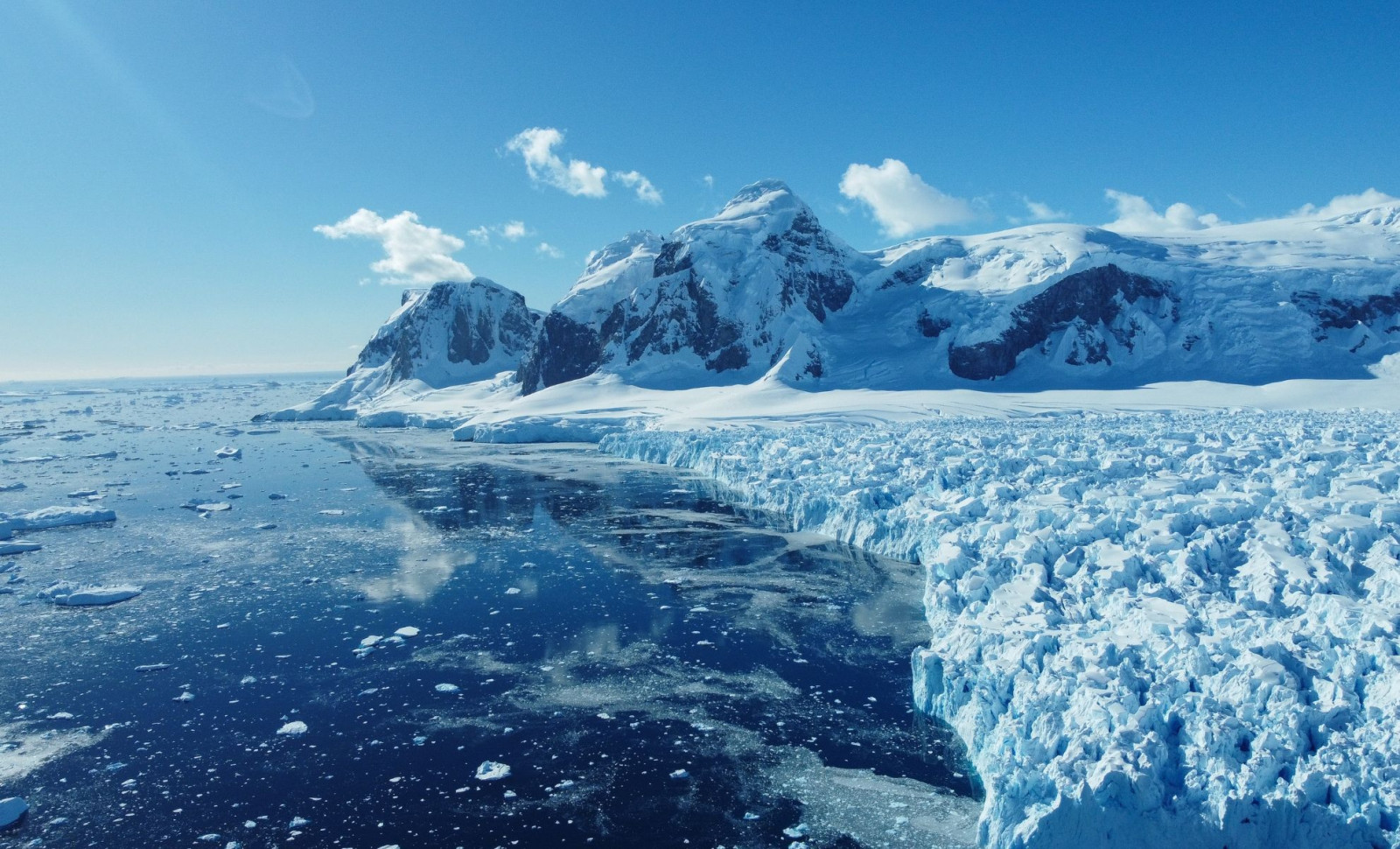
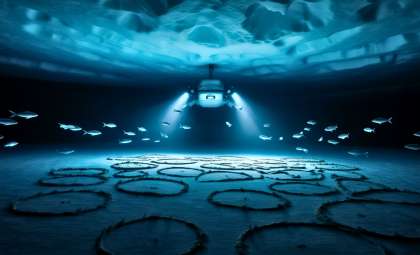
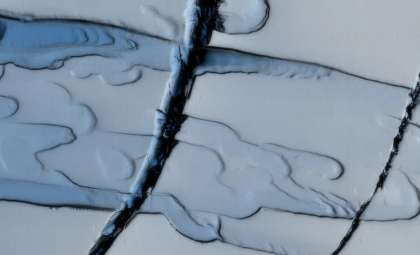
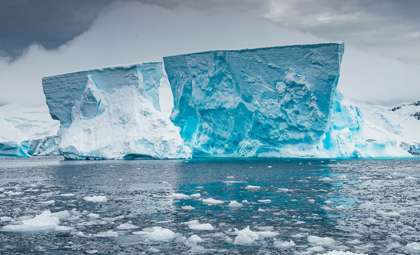
Researchers have made a remarkable discovery beneath the frozen Antarctic waters: an array of fish nests arranged in striking geometric formations on the ocean floor. These nests, created by yellowfin notie fish, came to light after the massive A68 iceberg broke away from the Larsen C Ice Shelf back in 2017.
This finding follows prolonged periods of restricted access to the Weddell Sea due to thick ice layers that had hidden the seabed for centuries. The calving of iceberg A68 provided a rare chance for scientists to explore this previously inaccessible underwater landscape. The identification of thousands of meticulously organized fish nests offers new insights into survival tactics in one of Earth's most extreme habitats, while highlighting the necessity to safeguard this vulnerable ecosystem.
Unlocking a Frozen Frontier
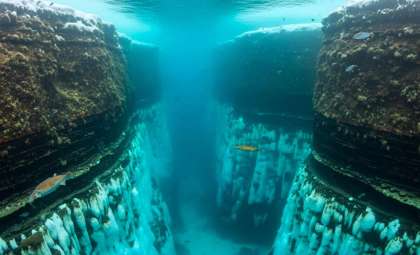
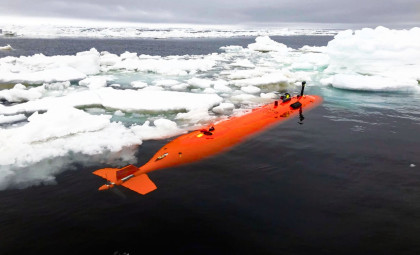
The retreat of the A68 iceberg, one of the largest icebergs recorded, opened a rare window into the Weddell Sea’s hidden depths. Participants of the 2019 Weddell Sea Expedition reported that this event unveiled a seabed sealed under ice for centuries. Equipped with remotely operated vehicles (ROVs) and autonomous underwater vehicles (AUVs), the researchers maneuvered through the icy waters, previously impassable for exploration.

Although the mission initially aimed to locate Shackleton’s Endurance wreckage lost in 1915, the uncovering of these fascinating fish nests emerged as a standout revelation. Despite not finding the ship, the expedition exposed a thriving aquatic community beneath the ice, featuring nests arranged in impressively precise circular formations—revealing behaviors and strategies previously unexplored.
The Intent Behind the Nest Designs
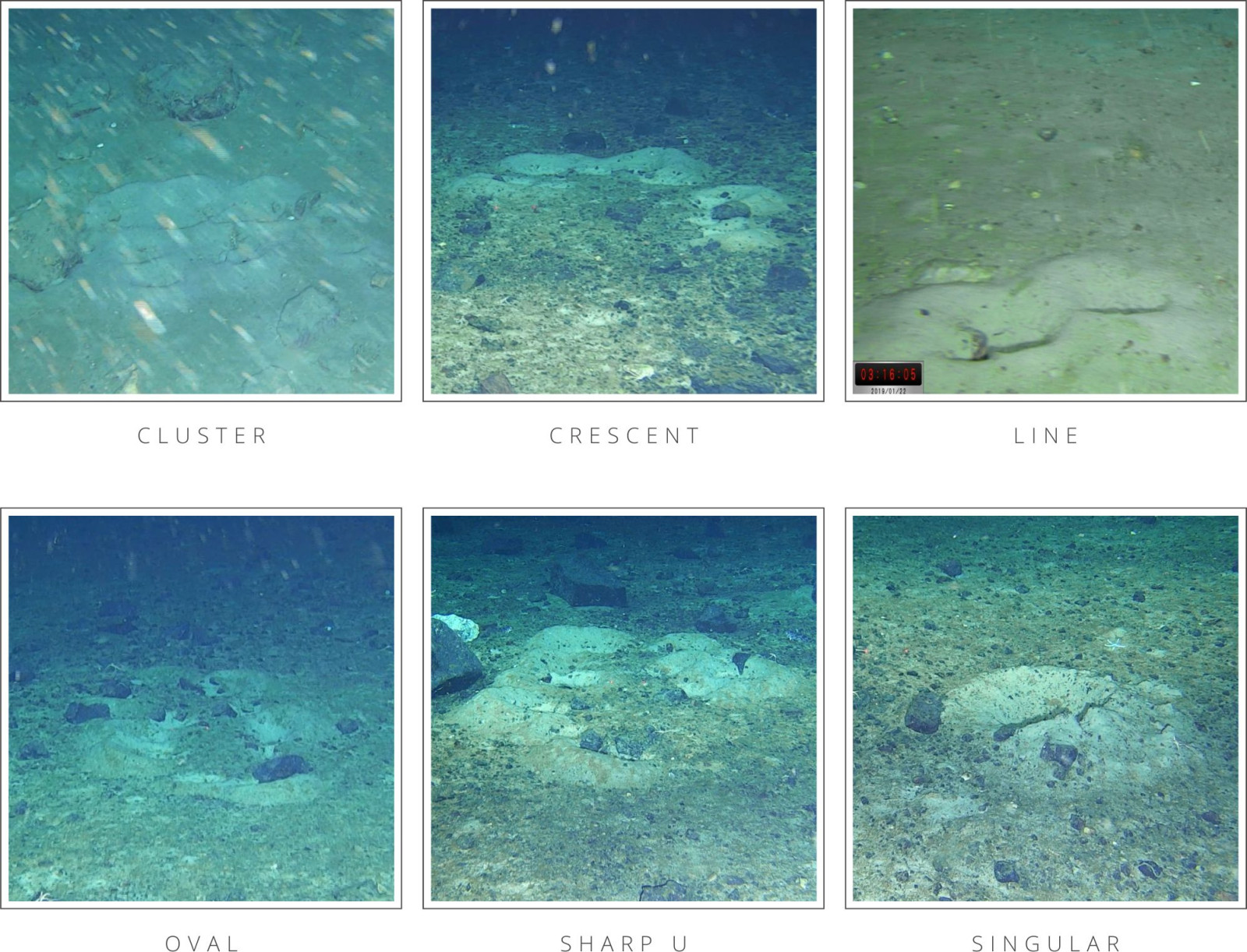
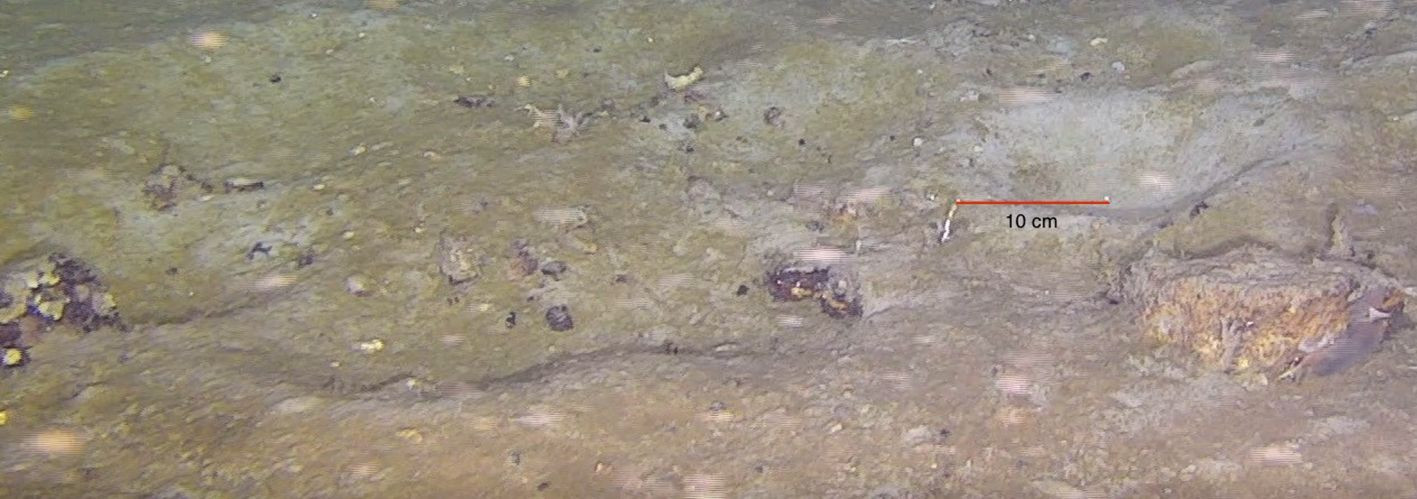
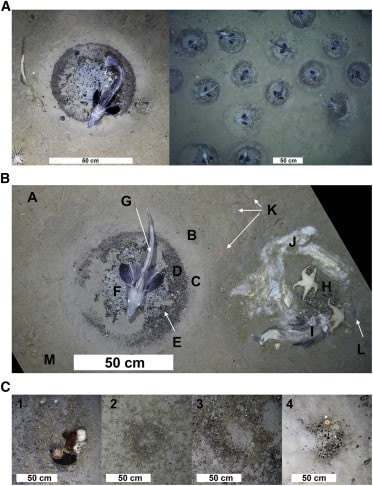
These nests consist of circular hollows on the seabed, sculpted by yellowfin notie fish (Lindbergichthys nudifrons). Research published in Frontiers indicates that parent fish actively tend their nests, protecting their eggs from predators. The nest arrangement isn’t random; rather, it exhibits a sophisticated organization likely aimed at defense or social interaction.
The layout varies—some nests stand isolated while others group into clusters or curved alignments on the ocean floor. This intentional pattern aligns with the “selfish herd” theory, where individuals in the group’s center gain safety from those positioned on the outskirts. Lone nests situated towards the edges may belong to larger fish capable of protecting themselves independently.
Urgency for Conservation Measures
Previous investigations, including a study by Autun Purser published in Current Biology, have highlighted the Weddell Sea as a habitat for some of the globe’s largest fish breeding grounds. This area's rich biodiversity is critical for sustaining multiple Antarctic species, from seals to penguins.
With climate change intensifying and human activities increasingly impacting this remote region, the call for protection is more pressing than ever. The recently discovered fish nests provide compelling evidence of the ecological importance of the Weddell Sea and bolster efforts to establish a Marine Protected Area (MPA) to conserve these vital ecosystems deep beneath the Southern Ocean’s surface.
- Categories:
- Science




0 comments
Sign in to Comment