
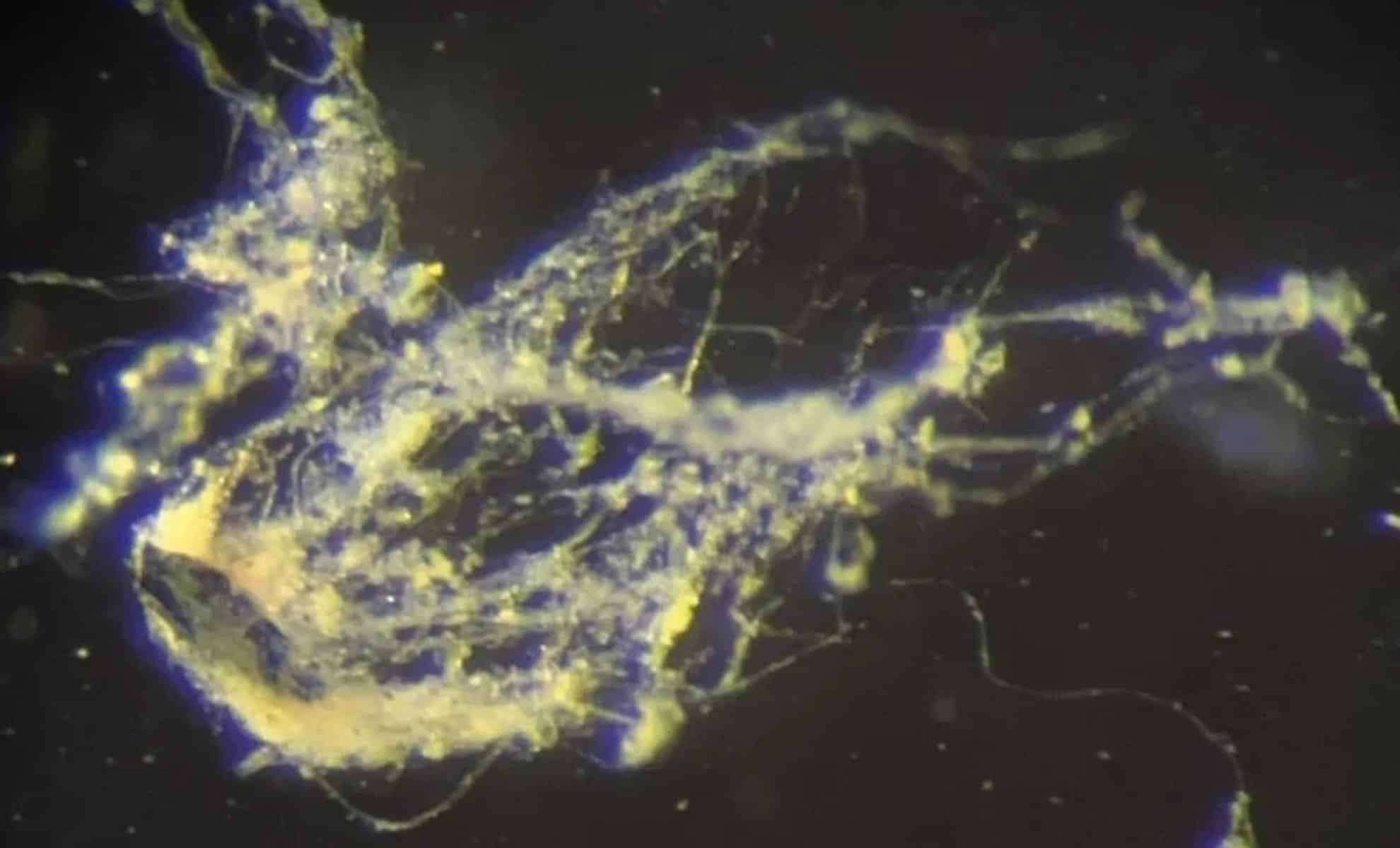
A recently identified bacterium capable of conducting electricity similarly to a living wire is capturing the attention of researchers worldwide. Called Candidatus Electrothrix yaqonensis, this microbe was discovered within the mudflats of Oregon’s Yaquina Bay and detailed in a Applied and Environmental Microbiology article. With its distinctive structure and metabolic capabilities, this organism holds potential for ecological remediation and advances in bioelectronic innovation.
Genetic Fusion Reveals Evolutionary Insights
A team from Oregon State University, University of Antwerp, and collaborators across Europe traced the bacterium’s unique evolutionary lineage, identifying it as a hybrid within its genus.
“This newly identified species acts as a link, representing an early diverging branch of the Ca. Electrothrix group, potentially offering fresh understanding about bacterial evolution and ecological function,” explained lead scientist Cheng Li.

Its genome blends features observable in both Ca. Electrothrix and Ca. Electronema genera, making it a prime candidate for studies focused on cable bacteria evolution and their environmental roles.
Distinctive Physical Characteristics
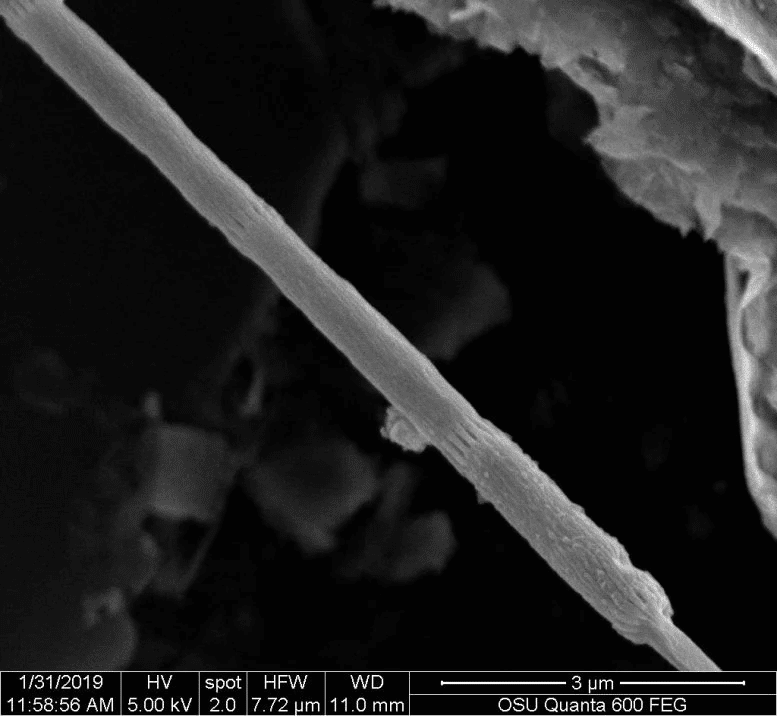
In contrast with related species, Ca. Electrothrix yaqonensis exhibits remarkably prominent surface ridges that are up to threefold wider than those found in other cable bacteria. These ridges contain extraordinarily conductive fibers composed of rare nickel-based proteins, a biological feature previously unrecorded.
“This species is unique not only in its metabolic profile but also in possessing broad surface ridges that shelter highly conductive fibers crafted from exclusive nickel-containing molecules,” noted Li.
Its capacity to transmit electrons across substantial distances equips it to facilitate complex chemical interactions within marine sediment layers, linking sulfide-rich zones deep underground to surface oxygen or nitrate, thus enabling essential redox processes.
Implications for Environmental and Technological Applications
Beyond its scientific significance, Ca. Electrothrix yaqonensis could emerge as a valuable resource in pollution mitigation and the development of innovative technologies.
“Given these bacteria’s electron transfer abilities, they may be instrumental in detoxifying contaminated sediments,” Li stated. “Additionally, their nickel-protein conductivity mechanisms may inspire future bioelectronic devices.”
Cable bacteria are found in diverse aquatic habitats, both freshwater and marine. This finding enriches the growing evidence supporting the use of such microbes in tackling challenges related to energy innovation, medical technology, and environmental conservation.
- Categories:
- News











0 comments
Sign in to Comment