
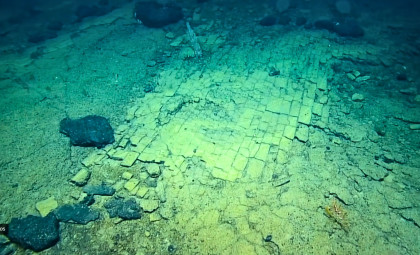
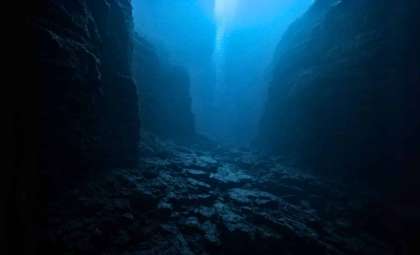
Hidden beneath the depths of the Pacific Ocean lies the Tamu Massif, recognized as the largest single volcanic structure confirmed on our planet. Discovered by a team led by Dr. William Sager from the University of Houston, this expansive and unusually flat volcano remained unnoticed for years due to its immense size and subtle shape. The comprehensive research confirms its significance as one of the most remarkable geological discoveries of modern times.
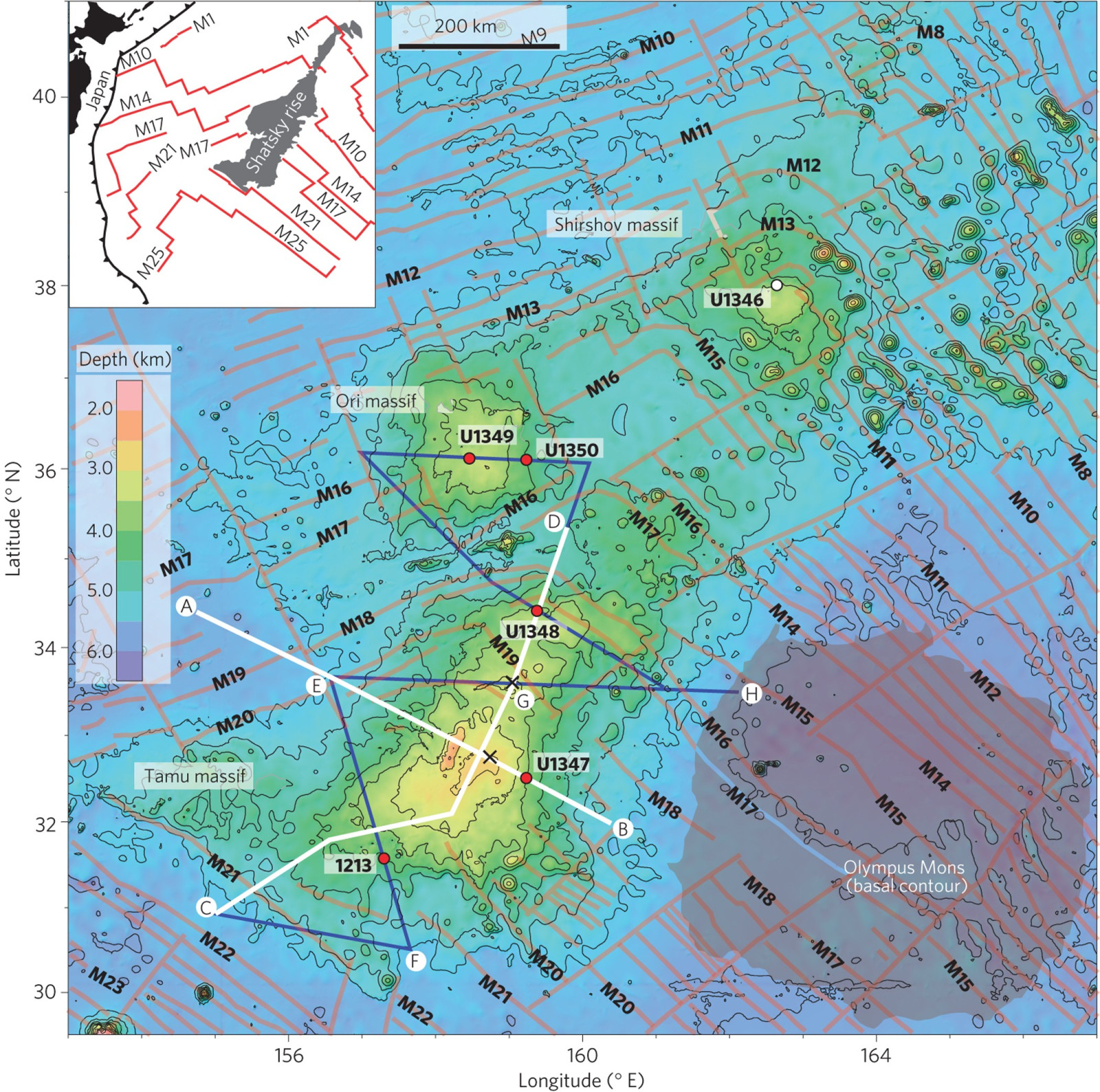
The Tamu Massif is situated within the Shatsky Rise, an isolated submerged plateau approximately 1,000 miles eastward from Japan. Initially thought to be three separate volcanic mounds, further analysis revealed that these are components of one extensive volcanic formation sharing a unified origin.
This revelation is pivotal because it revises earlier views on oceanic plateau formations. Published in Nature Geoscience, the study illustrates how recognizing the Tamu Massif as a single colossal volcano advances our grasp of how massive geological eruptions contribute to shaping the ocean floor.

A Monumental Formation Once Divided
For an extended period, researchers considered these underwater features as individual entities without official designations. In fact, as Dr. Sager humorously noted, they referred to them simply by location: “the one on the left, the one on the right and the big one.”
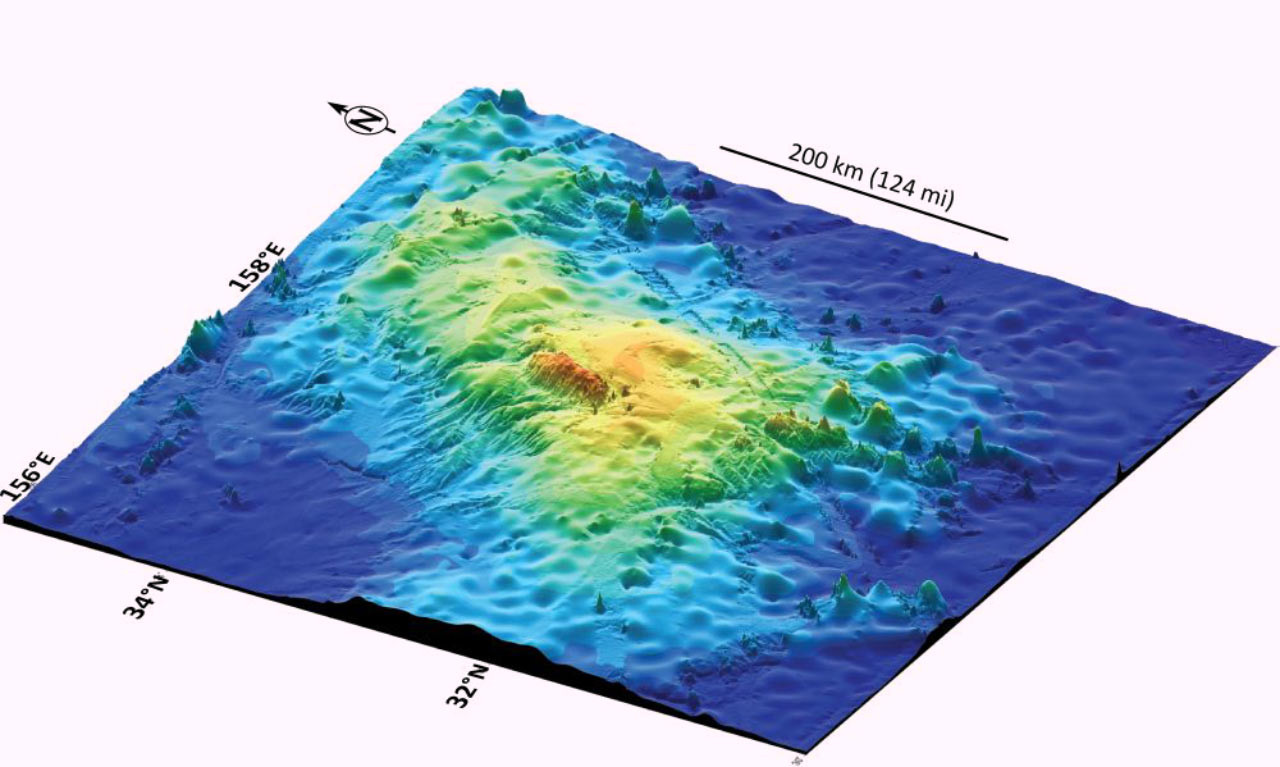
The breakthrough came with seismic-reflection imaging, unveiling continuous lava flows connecting the entire volcanic complex. As reported in the Nature Geoscience article, the massif extends across nearly 120,000 square miles.
“ It’s about the size of the state of New Mexico, making it by far the largest ever discovered on Earth,” he said.
This extraordinary scale distinguishes it from any other volcanic formation on Earth, functioning as one interconnected volcanic system rather than a collection of separate cones.
A Uniquely Extensive and Low-Profile Volcano
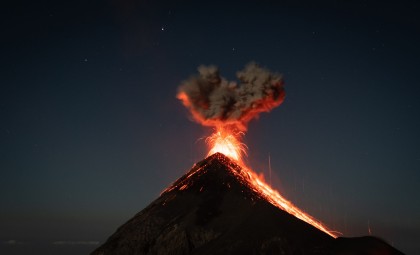
The Tamu Massif defies the typical image of a towering volcano. Its broad expanse is characterized by extremely gentle slopes that are almost impossible to detect on foot.
Dr. Sager explained that standing on its side, a person would find it difficult to discern any significant incline. The peak is situated about 6,500 feet beneath the ocean surface, with the volcano’s base descending nearly 4 miles deep.
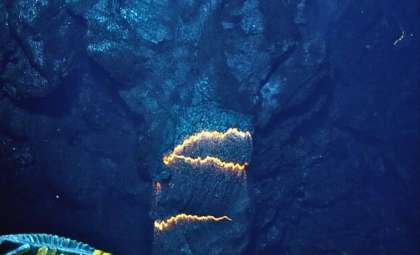
The researchers attribute this formation to enormous lava flows that radiated outward from a central vent, creating a broad, shield-like shape distinct from any known submarine volcano explored to date.
A Volcanic Giant Rivaled Only by Martian Peaks
Its immense size places the Tamu Massif in an exclusive class. As the researchers noted, only Olympus Mons on Mars, the largest volcano in the solar system, can compare to its scale.
This highlights the massif’s extraordinary magnitude. For perspective, Hawaii’s Mauna Loa, the biggest active volcano on Earth, covers just about 2,000 square miles.
Dr. Sager noted that the massif was formed approximately 145 million years ago through an extraordinary upwelling of magma from deep inside the Earth’s mantle, before becoming extinct shortly thereafter.
” So this is important information for geologists trying to understand how the Earth’s interior works,” he added.
.
- Categories:
- Science



0 comments
Sign in to Comment