
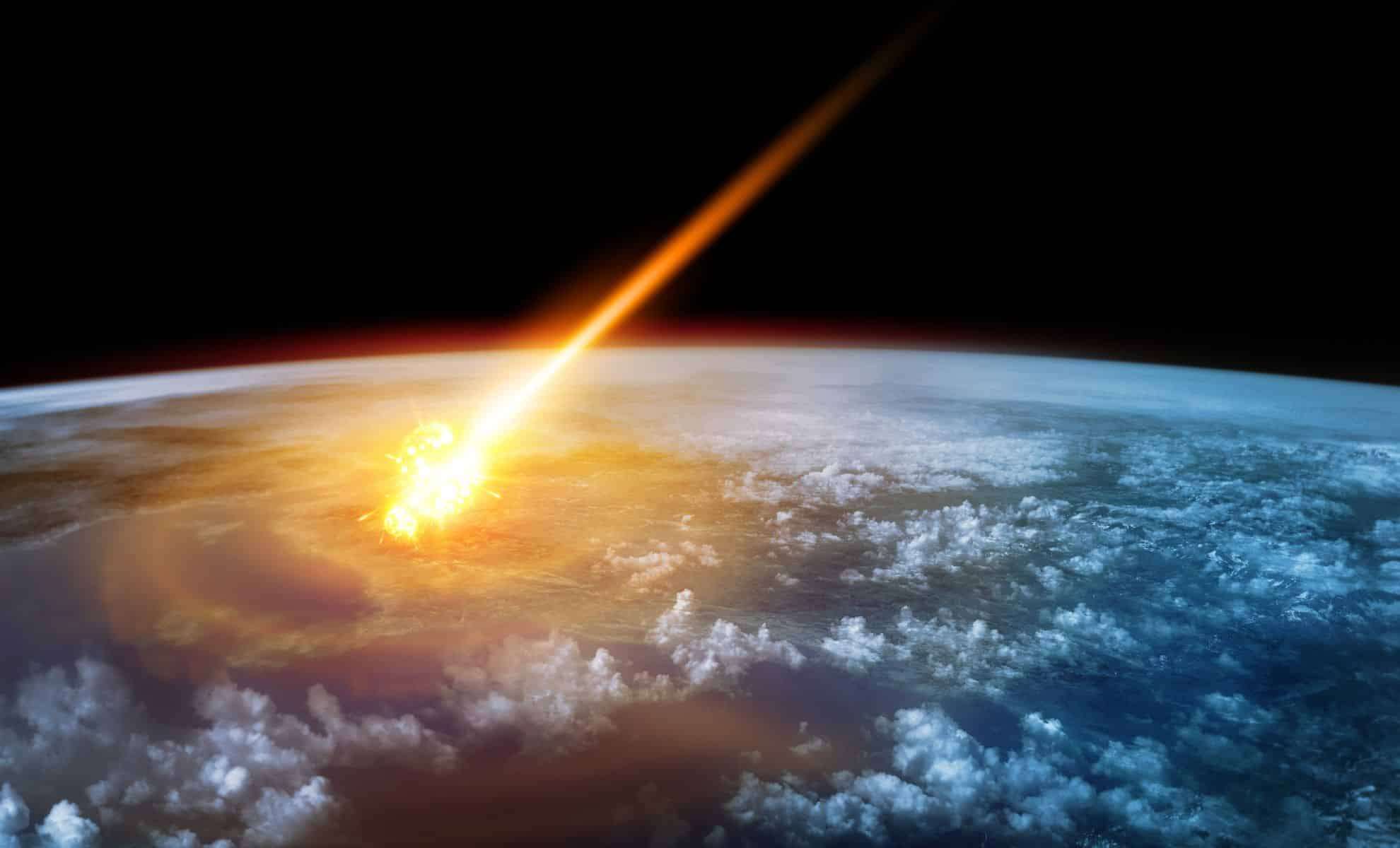
According to a recent paper available on arXiv, an asteroid collision with the Moon could pose significant hazards to Earth’s orbital satellites and space technology by 2032. The asteroid 2024 YR4, classified as a city-level threat in size, might strike the lunar surface, generating debris capable of disrupting critical satellite operations, communications, and other space infrastructure around our planet. Paul Wiegert of the University of Western Ontario leads the study, which simulates the consequences from such an impact and explores its implications for both space safety and Earth’s skywatchers. Though the chance of this happening remains low, the scenario has piqued strong interest in the planetary defense community as a potential test case.
Assessing the Destructive Capacity of 2024 YR4
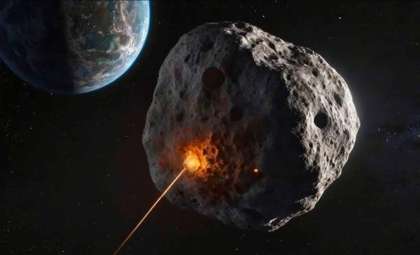
The asteroid 2024 YR4, estimated to be roughly 60 meters wide, is large enough to cause severe devastation if it were to collide with Earth. Earlier estimates gave it a 3.1% chance of hitting our planet in 2032. However, continued observations from instruments including the James Webb Space Telescope now suggest an impact with the Moon is more probable, climbing to 4.3%, while an Earth collision has been effectively ruled out.
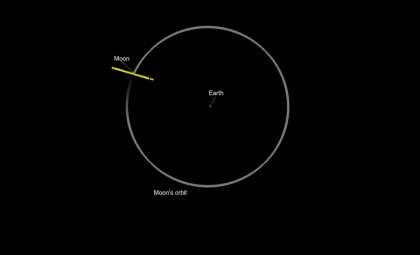
Lead author Wiegert explains that the energy from such a Moon impact would match that of a massive nuclear blast. The collision event could fling up to 100 million kilograms of lunar rock into space, some of which may fall into Earth’s gravitational influence. This could result in a dramatic uptick in meteors within the Earth’s atmosphere and a visually stunning meteor shower. Should the strike occur on the Moon’s Earth-facing side — a roughly 50% likelihood — Earth’s orbital region might see a large influx of meteoroid debris.

Heightened Satellite Risks from Lunar Debris
An alarming consequence identified in the study is the threat to satellites from fine lunar fragments. With the rapid growth in satellite launches anticipated by 2032, this debris cloud could pose considerable hazards. Wiegert points out that even tiny fragments of rock, traveling at extremely high speeds, can cause severe damage to satellite hardware.
“A pebble-sized object barreling through at tens of thousands of metres per second behaves like a high-velocity projectile,” Wiegert remarks. Since satellites are critical to global communication, weather forecasting, and navigation, the sudden increase of high-speed debris could lead to widespread disruptions and risk destroying essential space equipment relied upon daily.
Stunning Meteor Showers Amid Rising Satellite Threats
Aside from the danger to technology, observers on Earth may witness an extraordinary meteor display. Debris from the impact could elevate meteor counts to over a thousand times normal levels, lighting up the night sky dramatically. Though a breathtaking spectacle for onlookers, this intense shower would coincide with an already crowded satellite environment, compounding risks to space infrastructure.
This event’s timing aligns with expanding reliance on orbiting technology, underscoring the need to understand how such debris bursts may impact satellite networks and informing future response strategies.
The Odds of a Moon Collision
Despite the potential for serious effects, the chance of 2024 YR4 directly hitting the Moon’s near side is estimated to be only around 2%. The asteroid is not predicted to be visible again until 2028, allowing astronomers to gather additional data and refine predictions. Increased observational clarity will determine whether preparations or interventions should be initiated. In the event the threat intensifies, there is opportunity to employ planetary defense techniques akin to those used in NASA’s 2022 DART mission to alter the asteroid’s path.
As Wiegert notes, while the prospect might seem distant, the asteroid’s proximity offers a chance to challenge and improve our capacity to manage celestial threats before they endanger Earth directly.
Strategies for Defending Against Potential Collision
Though Earth isn’t currently at risk of a direct impact, the possibility of a Moon collision raises urgent questions about defense readiness. The study suggests that missions to divert or deflect 2024 YR4 may become necessary if its trajectory toward the Moon becomes more certain. Wiegert views this as a key opportunity to evaluate planetary defense capabilities in a real-world setting.
The paper also compares 2024 YR4 to the asteroid Dimorphos, which was successfully targeted by NASA’s DART planetary defense test in 2022. Lessons learned from that mission could inform efforts to redirect this potentially hazardous asteroid. Although deflection near Earth has inherent risks, such operations could prove vital in protecting both our planet and its surrounding space environment from future asteroid threats.
- Categories:
- News










0 comments
Sign in to Comment