
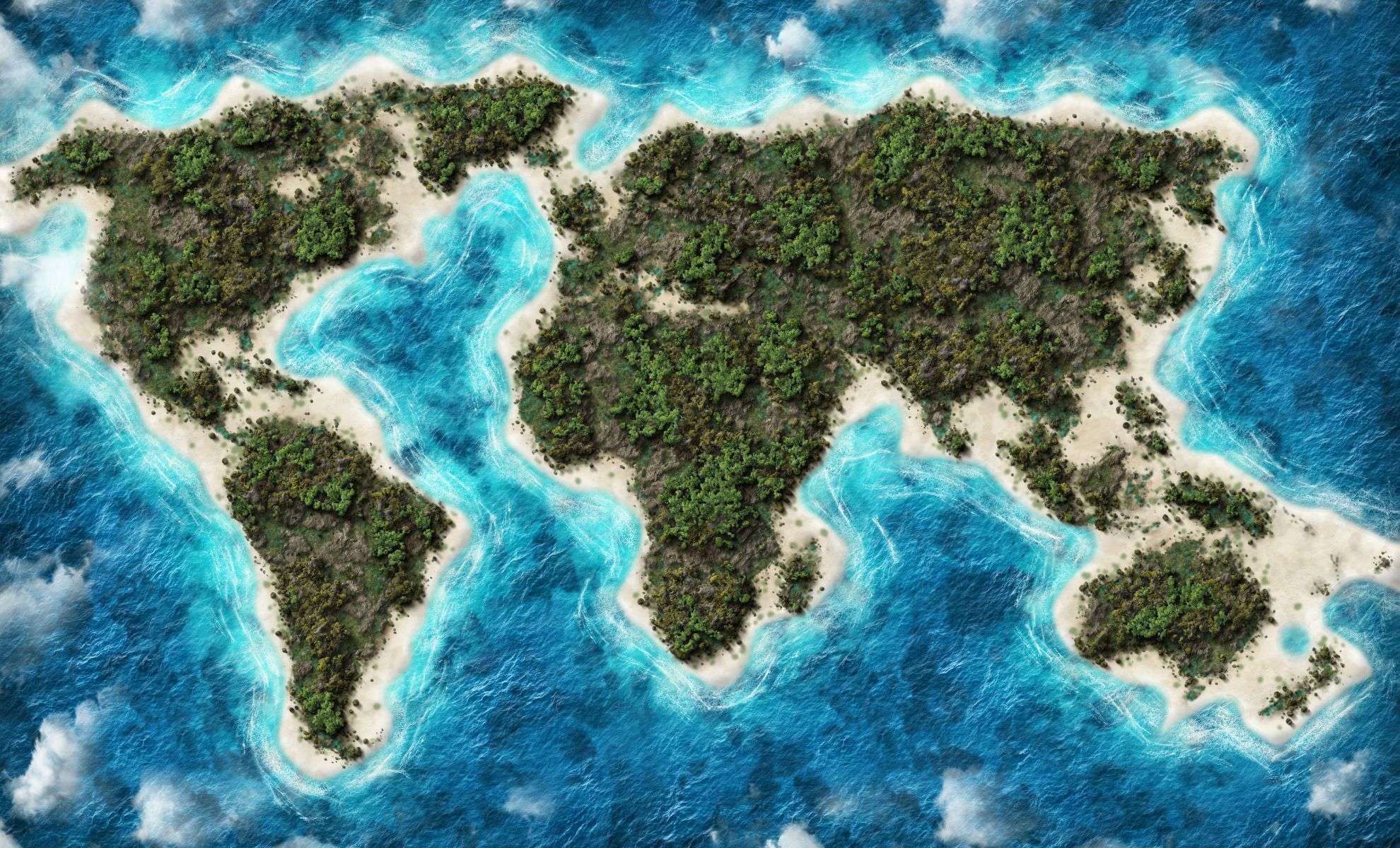
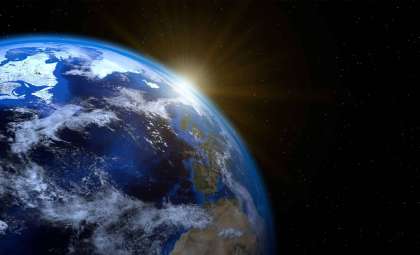
New research reveals that Earth's climate regions could face dramatic transformations within the next eight decades. Rising global temperatures might cause up to half of the planet’s terrestrial areas to shift into entirely different climate classifications by the year 2100. Such profound changes could require a complete revision of current global climatic maps.
Projected Climate Zone Reconfigurations Due to Global Heating
The analysis led by researchers based in Ankara, Turkey, predicts that the most extensive alterations will occur across Europe and North America. Their findings indicate that 65 to 91 percent of Europe’s landmass is expected to transition into new climate zones by century’s end. Similarly, about 51 to 66 percent of North American land will likely undergo comparable shifts. Globally, it is estimated that 38 to 48 percent of all terrestrial areas will experience such transformations.
The team utilized the Köppen-Geiger classification framework, a globally recognized system that categorizes climates by analyzing temperature, precipitation, and seasonal patterns. The system identifies five principal climate types: tropical, arid, temperate, continental, and polar.

Europe’s Climate Landscape Set for Major Changes
One of the most striking outcomes of the study centers on Europe. Traditionally dominated by temperate and colder climates, much of the continent is projected to warm substantially. According to the study, temperate zones could extend significantly into areas formerly characterized by cold or polar climates by 2100, indicating some of the most dramatic shifts worldwide.
In contrast, North America is anticipated to experience warming as well, but not as profoundly. The substantial climate changes predicted across Europe may considerably impact agriculture, natural habitats, and biodiversity throughout the region.
Consequences for Ecosystems, Wildlife, and Farming
With ongoing warming expected to accelerate throughout the 21st century, researchers warn that the swift changes between climate zones might outpace the ability of many species and farming systems to adjust. This accelerated pace presents critical challenges for environmental protection, agricultural sustainability, and policy development efforts already strained by climate effects.
The study also emphasizes the possibility that rapid climatic shifts could lead to the collapse of whole ecosystems if species cannot evolve quickly enough. This highlights urgent action needed to slow global warming and avoid these potentially devastating outcomes.
Urgency for Worldwide Climate Mitigation Efforts
These results underscore an immediate global demand for unified climate action. They confirm that while some changes to climate zone distributions are unavoidable, slowing the pace of these transitions remains feasible. Strategies including reducing greenhouse gas emissions, conserving fragile ecosystems, and implementing sustainable development are critical to limit future disruptions.
At the same time, the study serves as a powerful warning: waiting for future generations to respond is not a viable option.
- Categories:
- News







0 comments
Sign in to Comment