
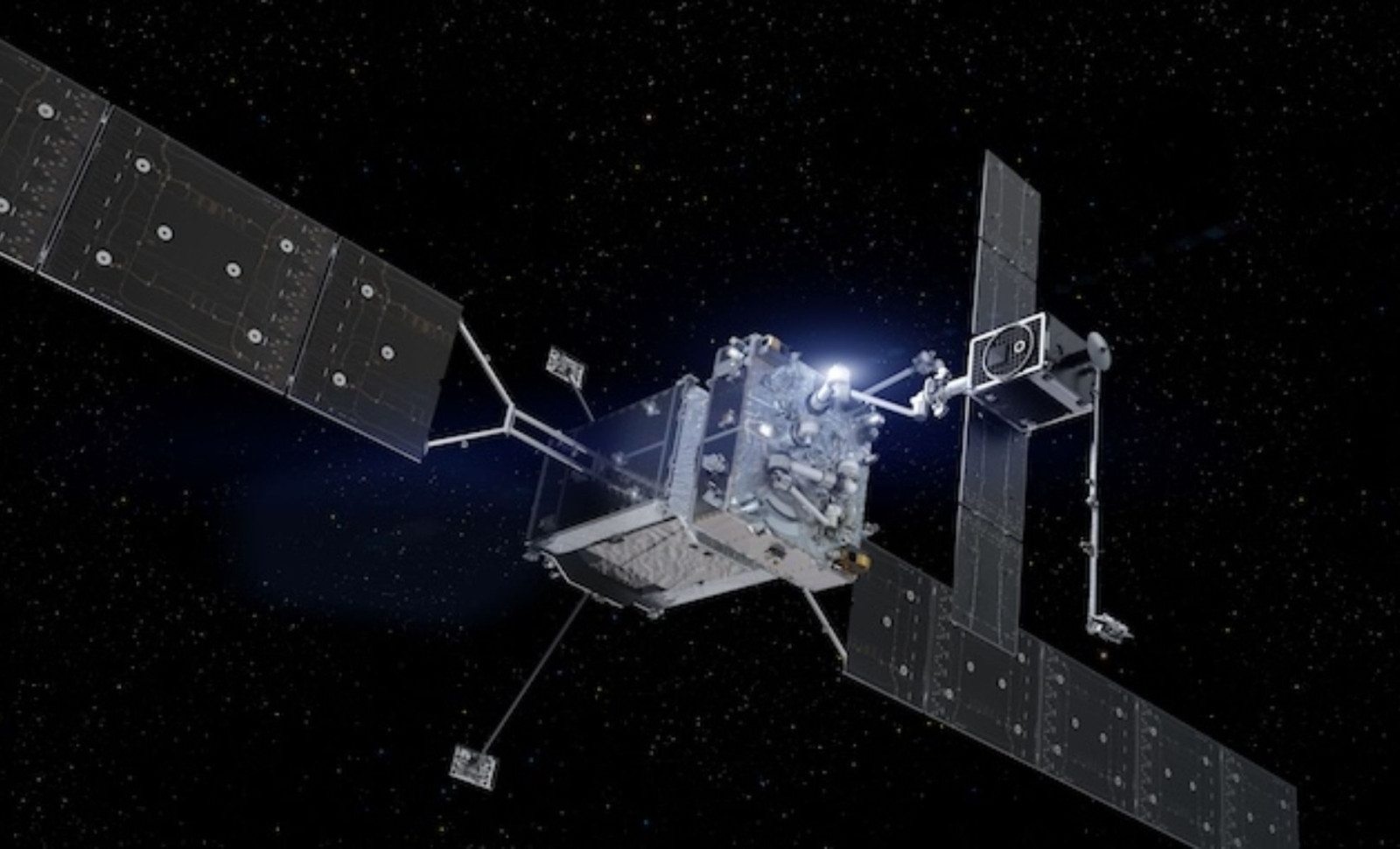
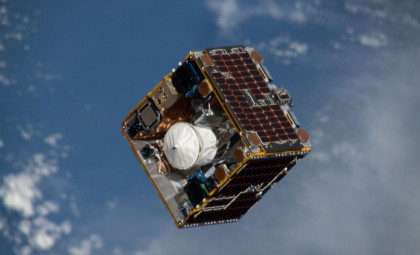
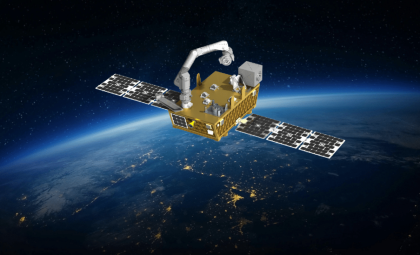
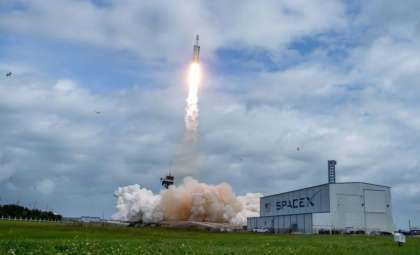
A SpaceX Falcon 9 rocket has delivered cutting-edge satellite servicing technology into orbit, aiming to extend the operational life of satellites and redefine functions in geosynchronous Earth orbit. Onboard is Northrop Grumman’s Mission Robotic Vehicle (MRV) accompanied by three Mission Extension Pods (MEPs), forming an innovative system capable of inspecting, repositioning, repairing, and enhancing satellites already active in space.
Robotic System Engineered to Revitalize Aging Satellites
Once deployed, the Mission Robotic Vehicle will undertake approximately a year-long journey to reach geosynchronous orbit, where a majority of communications and governmental satellites operate. Upon arrival, it will commence servicing duties supporting satellite providers including Australia’s Optus and Luxembourg-based SES.
The MRV's three Mission Extension Pods act as supplementary propulsion units, each stocked with fresh maneuvering propellant. Designed to dock with satellites compatible with this system, these pods enable satellites to extend their missions by as much as eight years, eliminating the need to replace entire vehicles when propulsion components deplete.

As reported by Spaceflight Now, the MRV is equipped to perform more than just propulsion. Its robotic platform offers detailed inspections, satellite relocations, mechanical repairs, and upgrades, even for spacecraft not originally built with in-orbit servicing in mind.
The launch was conducted by SpaceX’s Falcon 9 booster B1069 from Space Launch Complex 40 at Cape Canaveral. This booster flew its last mission due to the high-performance demands of reaching geosynchronous transfer orbit.
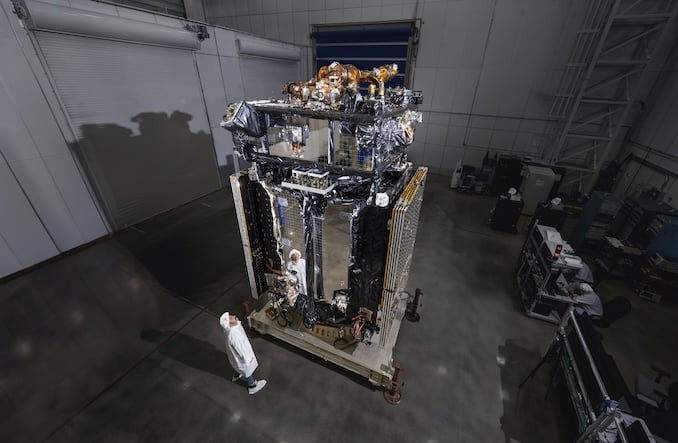
Two Decades of Innovation Behind RSGS Robotics
The roots of this mission trace back over twenty years to the Naval Research Laboratory, where initial efforts focused on automated spacecraft rendezvous and docking techniques. Early projects sought to recover satellites stranded in improper orbits, which eventually developed into the Spacecraft for the Universal Modification of Orbits (SUMO) program.
“The SUMO challenge was ambitious; DARPA tasked us with creating a robot capable of docking with virtually any satellite in orbit,” explained Glen Henshaw, Ph.D., lead space roboticist at NRL for RSGS in a statement preceding the launch.
“We then realized a universal truth—every satellite got to space on a rocket! By targeting the sturdy ‘launch vehicle interface plane’—the structural ring or explosive bolt holes that attach a spacecraft to a rocket for launch—we determined that a robotic arm could safely grapple almost any spacecraft without damaging delicate instruments.”
Advancing through initiatives like FREND (Front End Robotics Enabling Near-term Demonstration), efforts concentrated on fabricating robotic arms robust enough for space conditions. The robotic components were developed by Alliance Spacesystems, Inc., which has supported projects including NASA's Mars Curiosity Rover.
Long term investigations evaluated commercial and defense uses for orbital servicing, with participation from NASA, DARPA, and additional partners, shaping the technology into a practical on-orbit satellite maintenance solution.
Northrop Grumman's Vision for Sustaining Space Infrastructure
In 2019, DARPA selected SpaceLogistics, a subsidiary of Northrop Grumman, to integrate the RSGS robotic payload with the Mission Robotic Vehicle. This marked a transition from tech development towards a commercial service platform supporting varied satellite operators.
Following demonstration phases and comprehensive system verification, RSGS capabilities are anticipated to support the U.S. Space Force’s Servicing, Mobility, and Logistics portfolio, becoming a critical component of initiatives enhancing space system flexibility and endurance.
The expanding ability to service orbiting satellites may also drive future satellite design strategies. Instead of fixed-duration missions, spacecraft makers might increasingly incorporate robotic access points, upgrade options, and maintenance routes into new builds.
This mission epitomizes a broader industry trend prioritizing sustainable operations in orbit. With the rapid growth of satellite numbers, extending spacecraft service life and minimizing replacements is crucial to both commercial ventures and governmental space activities.
- Categories:
- News



0 comments
Sign in to Comment