
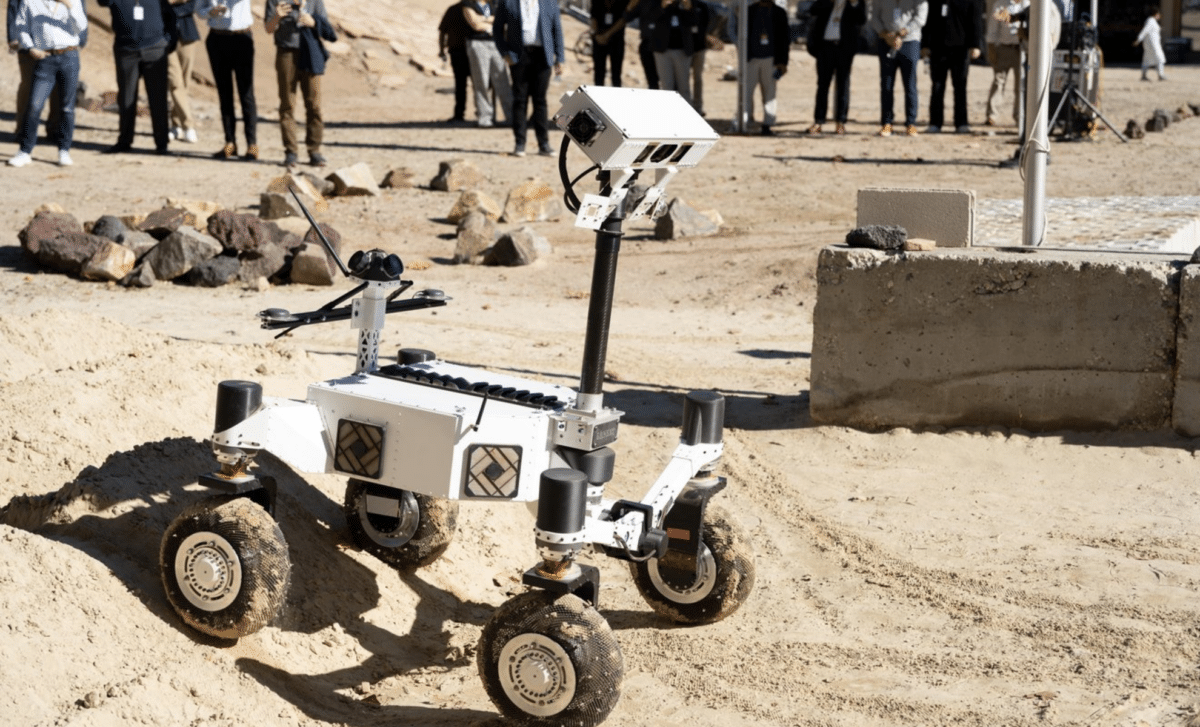
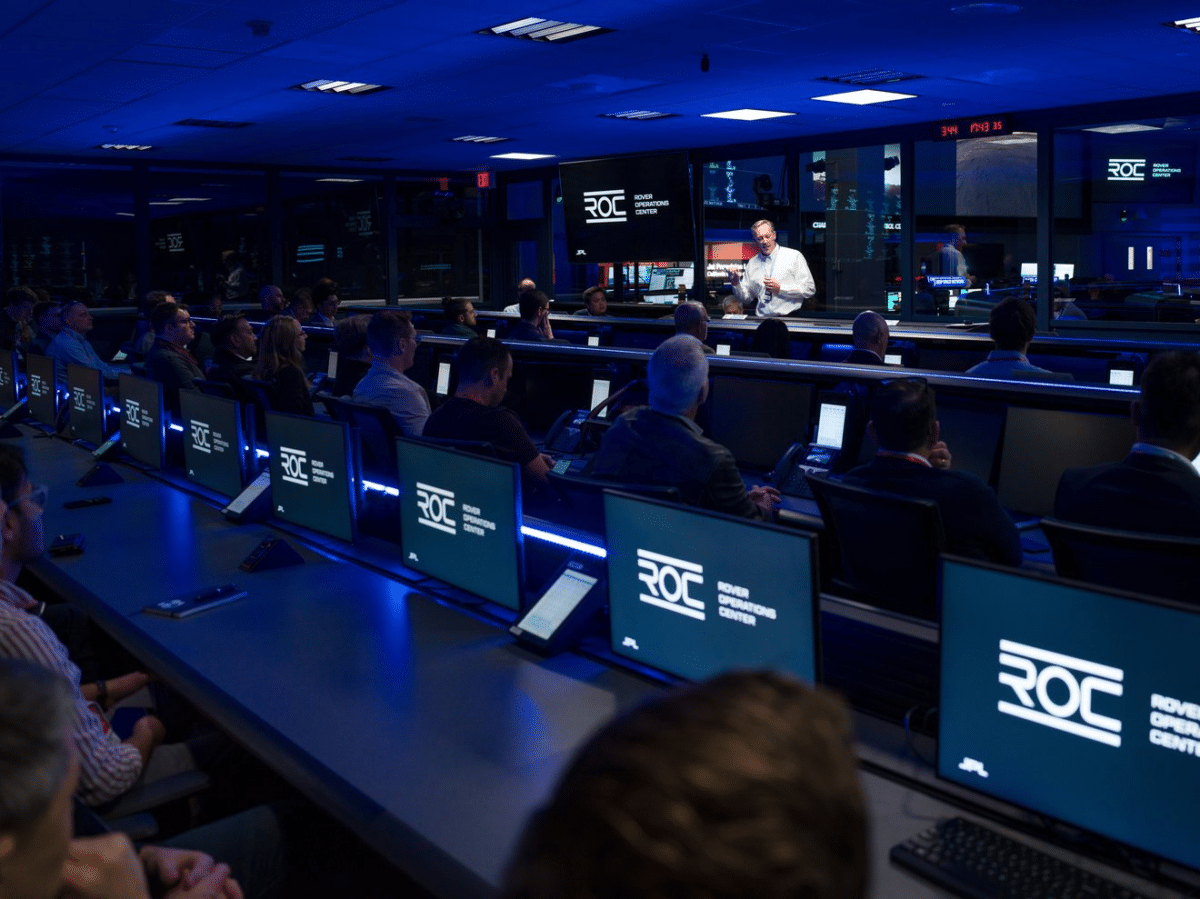
NASA’s Jet Propulsion Laboratory (JPL) has introduced its innovative Rover Operations Center (ROC), a cutting-edge facility designed to transform how we explore the surfaces of the Moon and Mars. By merging state-of-the-art AI and technology with extensive experience from previous rover missions, the center aims to fast-track upcoming planetary expeditions. Through collaborations with industry leaders and academic institutions, the ROC will drive forward new solutions to the complexities of extraterrestrial exploration.
Transforming Surface Exploration on the Moon and Mars
NASA’s Jet Propulsion Laboratory (JPL) is launching a new era in space exploration with the debut of its Rover Operations Center (ROC), a sophisticated command hub focused on enhancing mission performance on the Moon and Mars. This facility integrates JPL’s extensive rover expertise with modern technologies like artificial intelligence to overcome the challenges of planetary missions. Essential to the ROC’s mission is forging strategic collaborations with commercial enterprises, academic research bodies, and international partners to support future explorations.
The ROC was created to unify JPL’s robotic proficiency and emerging tech, creating an ecosystem where innovation thrives. Equipped with AI-powered tools and advanced robotics, the ROC will boost NASA’s operational efficiency, improve the frequency of missions, and act as a cornerstone for future collaborative efforts to uphold U.S. leadership in planetary science.

Driving the Future Wave of Space Exploration
“The Rover Operations Center acts as a powerful accelerator,” explained JPL Director Dave Gallagher. “It leverages decades of expert knowledge paired with innovative technologies, sharing this strength through partnerships to energize upcoming Moon and Mars surface missions. As a federally funded research and development facility, JPL is uniquely positioned to increase mission efficiency and frequency while supporting the commercial space sector’s bold advancements.”
Gallagher’s remarks emphasize the ROC’s essential role in fostering breakthroughs in extraterrestrial surface operations. By combining NASA’s deep technical insight with advancements in AI, the center ensures the agency remains a pioneer in space exploration and creates new avenues for commerce-driven space initiatives.
Leveraging Years of Robotic Mission Expertise
JPL’s legacy as a leader in robotic exploration is built on decades of developing and managing planetary surface missions, particularly on Mars. This tradition includes creating cutting-edge rovers such as Spirit, Opportunity, Curiosity, and Perseverance, which have continuously expanded robotic exploration capabilities. With ongoing development, the ROC serves as an innovation nucleus where future mission technologies and partnerships will flourish.
Matt Wallace, head of JPL’s Exploration Systems Office, highlights the increased demands of current missions.
“Our rovers are lasting longer and are more sophisticated than ever before. The scientific stakes are high, as we have just witnessed with the discovery of a potential biosignature in Jezero Crater by the Perseverance mission. We are starting down a decade of unprecedented civil and commercial exploration at the Moon, which will require robotic systems to assist astronauts and support lunar infrastructure,” Wallace noted. “Mobile vehicles like rovers, helicopters, and drones are the most dynamic and challenging assets we operate. It’s time to take our game up a notch and bring everybody we can with us.”
Looking ahead to a decade of intensified exploration, Wallace’s insights highlight the growing importance of autonomous roving systems, aerial drones, and similar technologies in mission achievements. The ROC is positioned to enhance these tools, adapting them to meet the evolving demands of lunar and Mars expeditions.
- Categories:
- News



0 comments
Sign in to Comment