
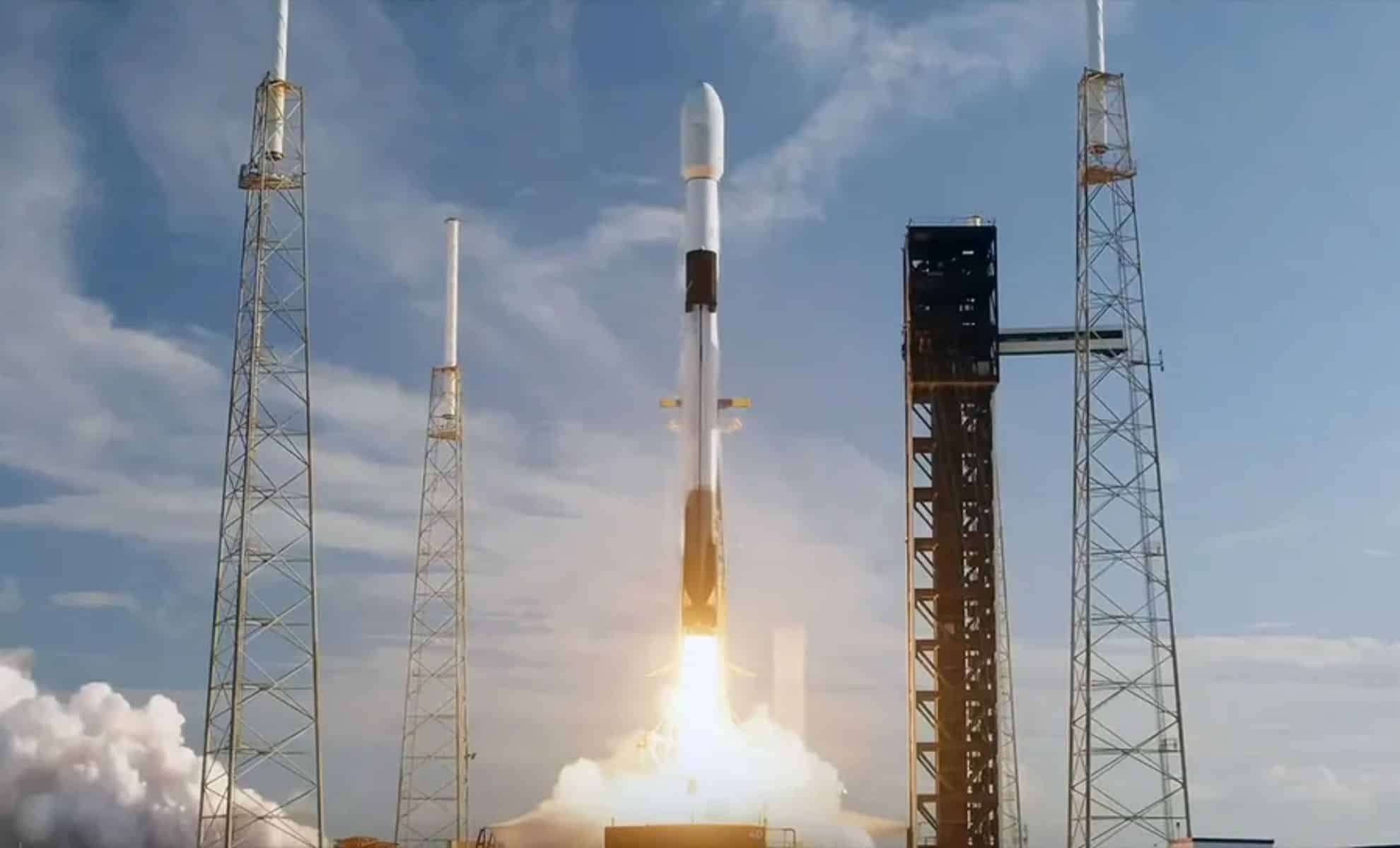
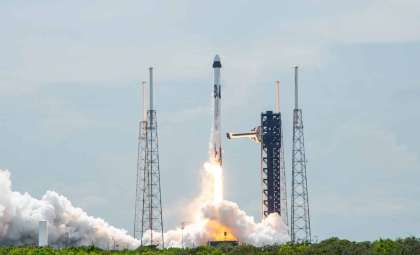
On September 14, 2025, SpaceX successfully launched Northrop Grumman’s newest Cygnus XL spacecraft from Cape Canaveral Space Force Station, marking a significant upgrade in space cargo delivery technology. This launch highlights an important advancement in NASA’s efforts to keep the International Space Station well-stocked and the research ongoing.
The Cygnus XL is capable of transporting more than 11,000 pounds of cargo, making this flight, designated NG-23, the 23rd Northrop Grumman resupply mission to the ISS. This marks the first mission for the larger, enhanced Cygnus version.
Upgrades and Capabilities of the Cygnus XL
NASA sources describe the Cygnus XL as a substantially improved spacecraft with expanded capacity compared to earlier Cygnus models. Northrop Grumman designed this upgrade to meet the growing demand for transporting diverse scientific instruments and supplies onboard the ISS. With around 33% more interior volume, this cargo vehicle can deliver a broader range of payloads in a single trip.

The payload includes equipment for semiconductor science, technology for developing cutting-edge cryogenic fuel tanks, as well as ultraviolet lighting designed to inhibit microbial growth within the station’s water systems.
Additionally, the shipment comprises materials aimed at advancing pharmaceutical studies, with a focus on cancer treatment and other diseases. Among these is a pharmaceutical crystal growth experiment to analyze how microgravity influences the formation of medicinal compounds.

Launch Success and Scientific Endeavors
The mission kicked off with Falcon 9’s liftoff at 6:11 p.m. EDT from Space Launch Complex 40. Eight minutes after launch, Falcon 9’s booster executed a flawless landing at Landing Zone 2, marking its fourth return to Earth. This particular booster has previously supported astronaut missions and deployed Starlink satellites. Following staging, the Cygnus XL separated and commenced its two-day voyage to dock with the ISS.
The spacecraft's manifest features critical experiments including the Zero Boil-Off Tank Noncondensables (ZBOT-NC) project, led by Case Western Reserve University. This research aims to improve understanding of cryogenic fuel handling in microgravity conditions, a crucial factor for future human missions beyond Earth orbit, such as lunar expeditions. Data gathered will help refine predictive models for storing cryogenic fluids during long-duration space flights.
Approach and Arrival at the ISS
The Cygnus XL vehicle is set to be grappled by the ISS’s Canadarm2 robotic arm on September 17, 2025, precisely at 6:35 a.m. EDT. Docking will occur shortly after, at 8:00 a.m. EDT, allowing astronauts to begin unloading the important cargo. NASA astronaut Jonny Kim will lead the capture operation.
After arrival, the spacecraft will remain attached to the ISSthrough March 2026, although it will be briefly detached in November 2025 to clear docking space for a crewed Soyuz spacecraft.
Named the S.S. William “Willie” McCool in honor of the astronaut who perished in the 2003 Columbia shuttle tragedy, Cygnus XL carries a poignant legacy forward in space exploration.
- Categories:
- News









0 comments
Sign in to Comment