
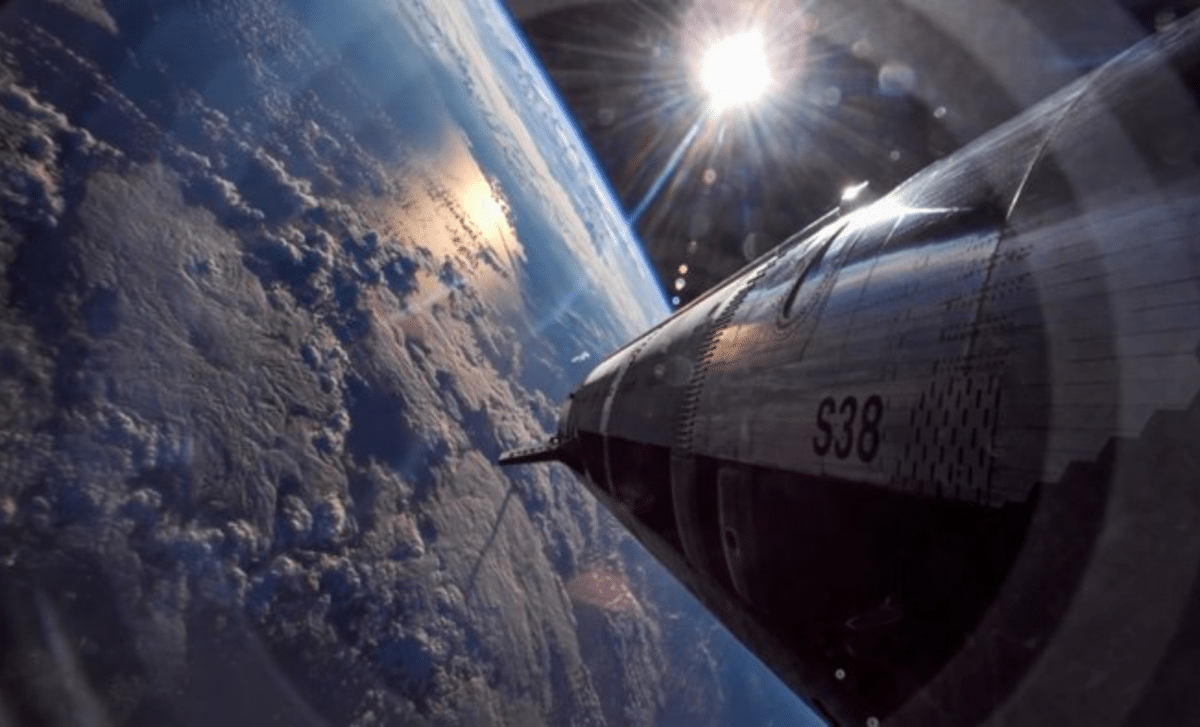
SpaceX has taken a significant step forward in merging space innovation with artificial intelligence by acquiring Elon Musk’s AI venture, xAI. This integration marks a transformative moment as the company seeks to blend advanced AI technologies with its expansive satellite network, aiming to revolutionize communication, data access, and space exploration. The partnership reflects SpaceX’s commitment to shaping the future of both technology and humanity’s presence beyond Earth.
Uniting Advanced AI with Satellite Networks and Space Missions
In a groundbreaking move, SpaceX has brought xAI under its wing, positioning itself as a leader in both space travel and AI innovation. The company envisions creating space-based computing hubs that leverage its satellite systems to deliver global connectivity and support large-scale AI workloads. As SpaceX officially announced,
“SpaceX has acquired xAI to form the most ambitious, vertically-integrated innovation engine on (and off) Earth, with AI, rockets, space-based internet, direct-to-mobile device communications and the world’s foremost real-time information and free speech platform.”
Add Cosmo Herald as a Preferred Source

This development is a key milestone in Musk’s long-term vision of melding AI advancements with cutting-edge space technologies to extend humanity’s reach across the universe.
Starship’s Expanding Role in AI Satellite Deployment and Space Infrastructure
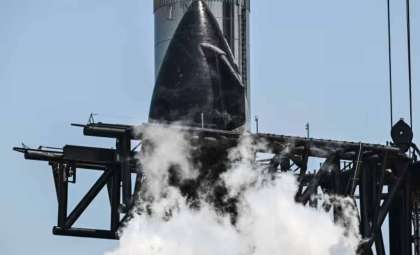
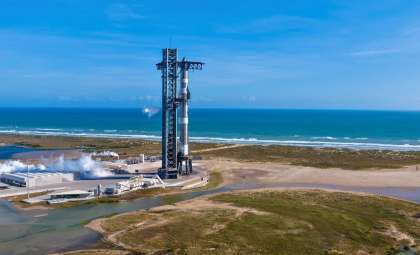
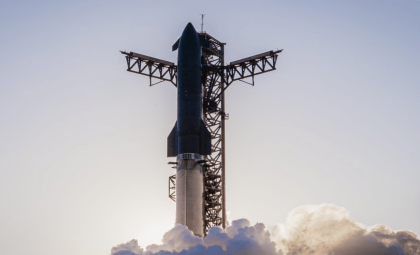
Central to this venture is the utilization of Starship, which Musk envisions scaling up in the upcoming years not only for launching satellites from Earth but also for enabling operations on extraterrestrial surfaces like the Moon. Musk elaborated,
“While launching AI satellites from Earth is the immediate focus, Starship’s capabilities will also enable operations on other worlds. Thanks to advancements like in-space propellant transfer, Starship will be capable of landing massive amounts of cargo on the Moon.”
Starship’s evolving capabilities could usher in a new era where manufacturing facilities on the Moon assemble satellites for deployment farther into space, supporting sustained human activity beyond Earth. This strategy aims to foster a self-sufficient space infrastructure, which is crucial for further planetary exploration and colonization.
Leveraging Space-Based Data Hubs to Accelerate AI Development and Human Innovation
A major focus of the merger is the creation of data centers positioned in orbit. Musk predicts that within a few years, space will offer the most cost-effective environment for running AI-intensive computations. Free from terrestrial limitations such as power scarcity and heat management challenges, these space-based hubs can operate at phenomenal scales and speeds, potentially driving a leap forward in scientific and technological breakthroughs.
Reflecting on this advantage, Musk noted,
“This cost-efficiency alone will enable innovative companies to forge ahead in training their AI models and processing data at unprecedented speeds and scales, accelerating breakthroughs in our understanding of physics and invention of technologies to benefit humanity.”
Such advancements could revolutionize the way individuals, governments, and enterprises utilize AI, shaping a future where technology is deeply integrated with space systems.
Ambitious Plans for a Space-Based Civilization and Cosmic Expansion
Looking far beyond our planet, SpaceX envisions establishing self-supporting habitats on the Moon and Mars. The integration of AI-powered space centers will facilitate the growth of these extraterrestrial colonies, propelling humanity toward becoming a spacefaring civilization. The company aims to leverage lunar resources to create industrial hubs that manufacture essential equipment like satellites, supporting humanity’s expansion further into the solar system and beyond.
The Moon is positioned as the initial platform for developing off-world industries, while Mars settlement plans target creating a permanent human presence on the Red Planet, marking major milestones in human space colonization.
- Categories:
- Space





0 comments
Sign in to Comment