
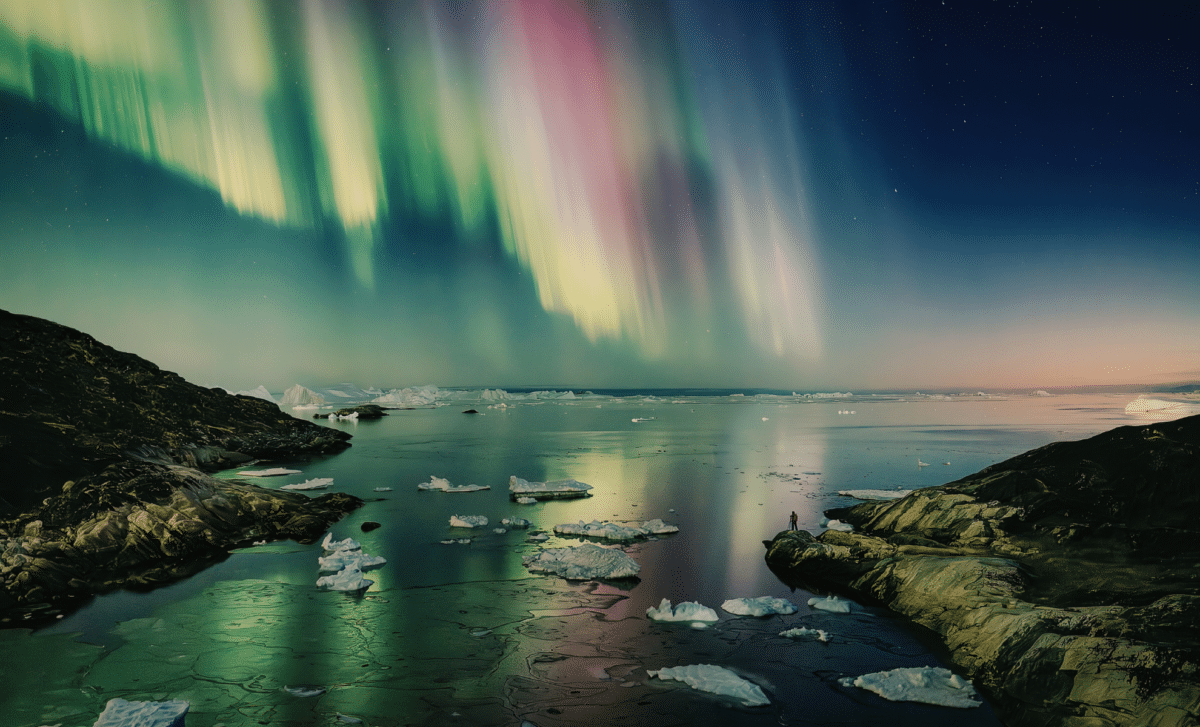
A geomagnetic storm predicted by NOAA is set to push the aurora borealis far beyond its typical polar boundaries on March 23, 2026, offering a rare viewing opportunity for numerous people across the United States. Triggered by increased solar activity, this occurrence could make the northern lights visible in areas where they usually aren’t seen, representing a remarkable event within the current solar cycle and space weather forecasting efforts.
Solar Storm Strong Enough to Extend Aurora Visibility Southward
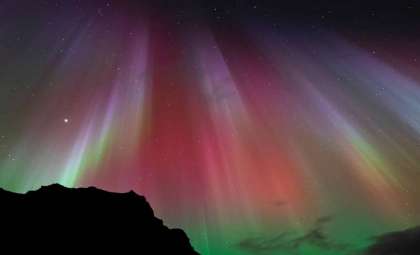
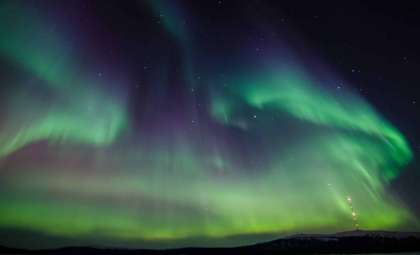
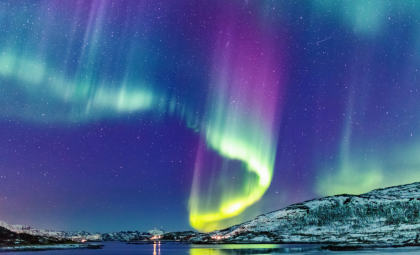
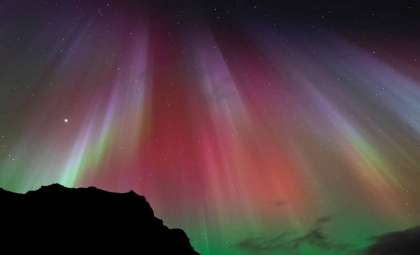
This phenomenon results from a surge of charged particles ejected by the Sun, identified as a coronal mass ejection. When these particles collide with Earth’s magnetic field, they energize gases like oxygen and nitrogen in the upper atmosphere, causing the colorful hues of green, red, and purple known as the northern lights.
What sets this event apart is its intensity. Models predict the geomagnetic disturbance will expand the aurora zone much farther south than usual. This expansion means states across the northern U.S. and potentially some mid-latitude areas could witness the lights. These conditions are uncommon and rely on careful alignment of solar and magnetic forces.

The timing is also ideal for skywatchers. The peak aurora activity is anticipated during late evening and early morning hours, when the sky is darkest, enhancing visibility. However, local weather conditions like clouds and light pollution will crucially affect how well the display can be seen.
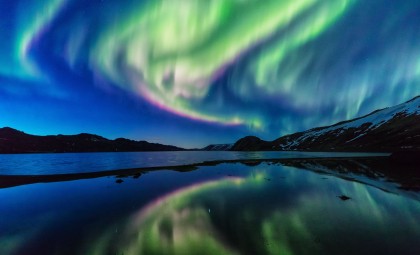
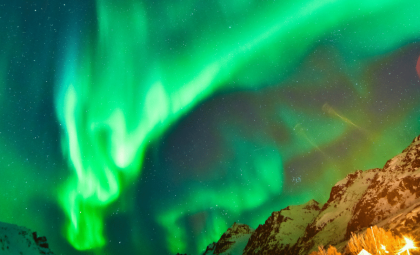
The aurora’s brightness and form can vary widely. Some displays begin as faint glimmers near the horizon, while others blaze as moving arcs or curtains stretching across the night sky. This variability adds to the excitement and uniqueness of each event.
Insights from NOAA on the Upcoming Display
The National Oceanic and Atmospheric Administration (NOAA) has been actively tracking the solar conditions behind this storm through their Space Weather Prediction Center. Utilizing satellites and live solar monitoring, NOAA experts have confirmed an increased geomagnetic disturbance expected to widen the range where auroras may be observed.
The forecasts rely on the Kp index, a measure of geomagnetic activity. Higher Kp values signal stronger disturbances and greater chances of seeing the northern lights far from the poles. Predictions suggest this event may bring auroras to areas that normally don’t experience them.
NOAA highlights that solar activity is ramping up as the Sun nears the apex of its 11-year cycle. This stage brings more frequent solar eruptions and coronal mass ejections, raising the odds of Earth encountering geomagnetic storms. Consequently, such spectacular auroral events could become increasingly frequent.
Besides their visual appeal, geomagnetic storms are closely observed for their impacts on technology, since they can disrupt satellites, communication networks, and electrical systems.
Tips for Viewing the Aurora
Those eager to witness the aurora should look skyward after darkness falls and remain outdoors until the early hours. The best chance to see the lights generally comes between 10 p.m. and 2 a.m., when geomagnetic activity peaks and darkness prevails.
Finding a dark location away from city lights with an unobstructed northern horizon is key to enhancing visibility. Urban light pollution can severely hinder the experience even within the anticipated viewing zone.
Allowing your eyes to adapt to the dark helps in spotting the aurora, which might initially appear as a low glow before developing into more vivid shapes and movement. Smartphone cameras can sometimes capture faint auroral activity that escapes immediate detection.
Patience is essential, as auroral displays often fluctuate in intensity, with quiet intervals followed by sudden bright, animated bursts. Keeping up with live updates from NOAA or aurora forecasting tools can aid in timing your observations to catch the best moments.
- Categories:
- News

0 comments
Sign in to Comment