
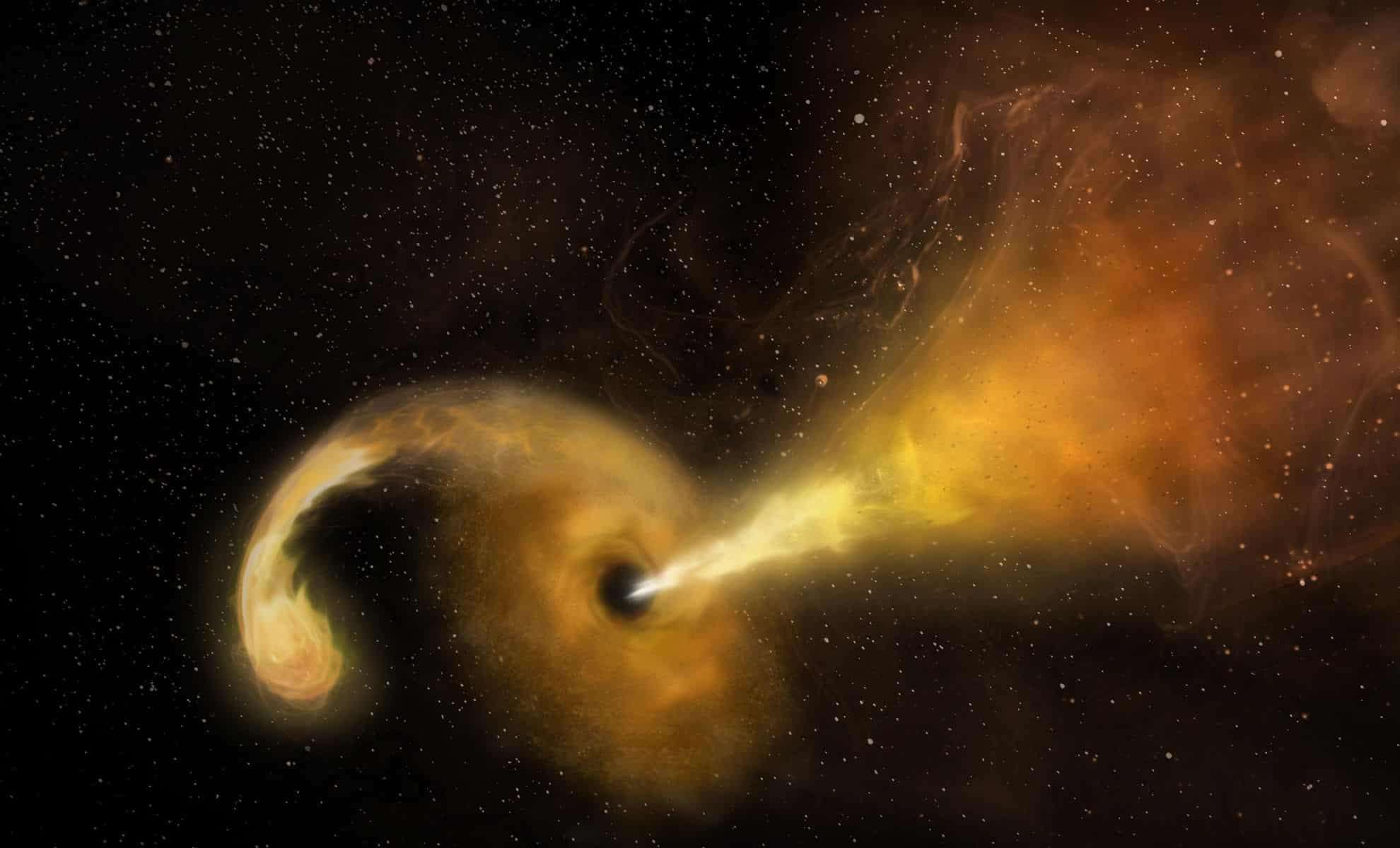
In an extraordinary cosmic event, a star has managed to evade total destruction by a supermassive black hole and appears poised for another close encounter. This unusual observation is prompting scientists to rethink existing models of star-black hole interactions.
Unexpected Survival of a Star
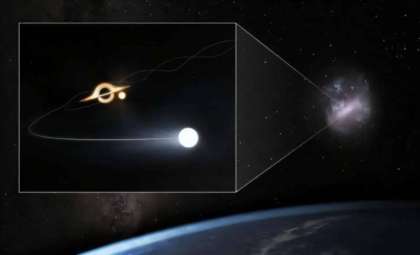
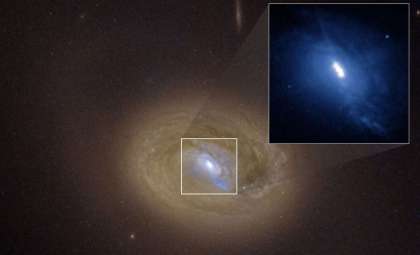
The story began with a distant supermassive black hole attempting to consume a star located millions of light-years away. Rather than being completely swallowed, the star escaped, captivating astronomers worldwide. The initial sign came as a flare, a bright burst of light indicating the star’s near destruction. Surprisingly, roughly 700 days later, a second flare almost identical to the first emerged.
Scientists designated this event AT 2022dbl, quickly ruling out the possibility of two separate stars causing these emissions. Instead, they determined both flares resulted from the same star surviving two distinct close passes, or "bites," from the black hole.

Understanding Tidal Disruption Events (TDEs)
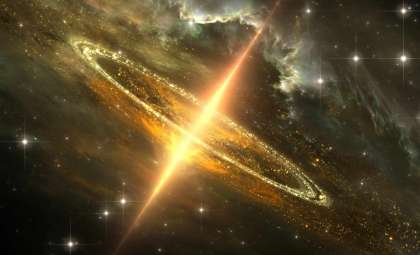
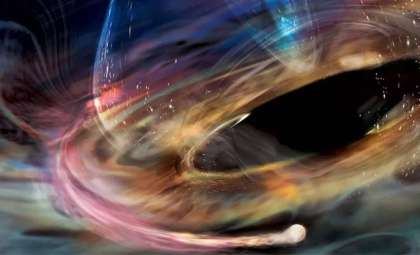
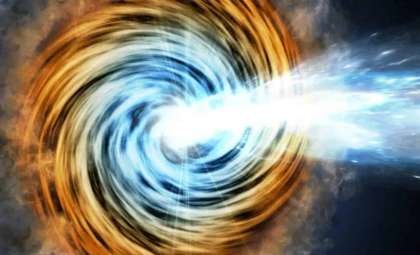
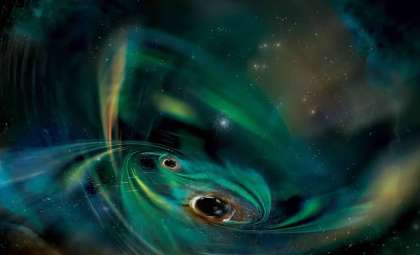
Contextualizing this rare phenomenon involves understanding tidal disruption events (TDEs). These occur when a star ventures too near a supermassive black hole, objects found at the centers of most major galaxies. The immense gravitational force of the black hole pulls the star apart.
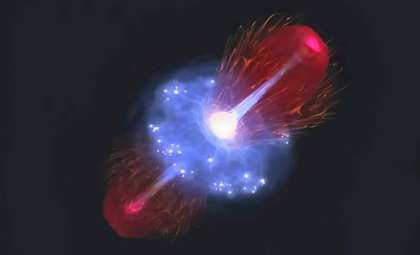
This process, often called spaghettification, stretches and tears the star as it approaches the black hole. While some of the star's material is swallowed, the remainder is expelled at high speeds, generating dazzling bursts of light observable from Earth.
Traditionally, TDEs were believed to be singular, catastrophic events rapidly destroying the star. The resulting flares typically lasted from weeks to months, illuminating the black hole’s vicinity. However, newer observations suggest not all TDEs fit this pattern.
The Star’s Ongoing Story
The case of AT 2022dbl opens the possibility that certain TDEs might unfold in stages, with stars experiencing extended periods of disruption rather than immediate annihilation. Should this star survive the second interaction, it may return again, producing more flares and extending the cosmic performance.
Scientists anticipate the next flare to occur in early 2026. Observing a third flare would reinforce the theory that the star is undergoing multiple partial disruptions instead of a singular fatal event. This would urge a reevaluation of current theories regarding black hole feeding mechanisms.
If the anticipated flare does not materialize, it may mean the star was finally destroyed during the second pass. Nevertheless, the similarity between the first two flares implies that partial and complete disruptions could produce similar observational signatures, complicating how astronomers interpret TDEs.
As explained by researcher Iair Arcavi from Tel Aviv University, “If we see a third flare, it means that the second one was also the partial disruption of the star.” The investigative team continues to monitor AT 2022dbl, uncovering whether this event is just the beginning of a prolonged cosmic interaction.
- Categories:
- News


0 comments
Sign in to Comment