
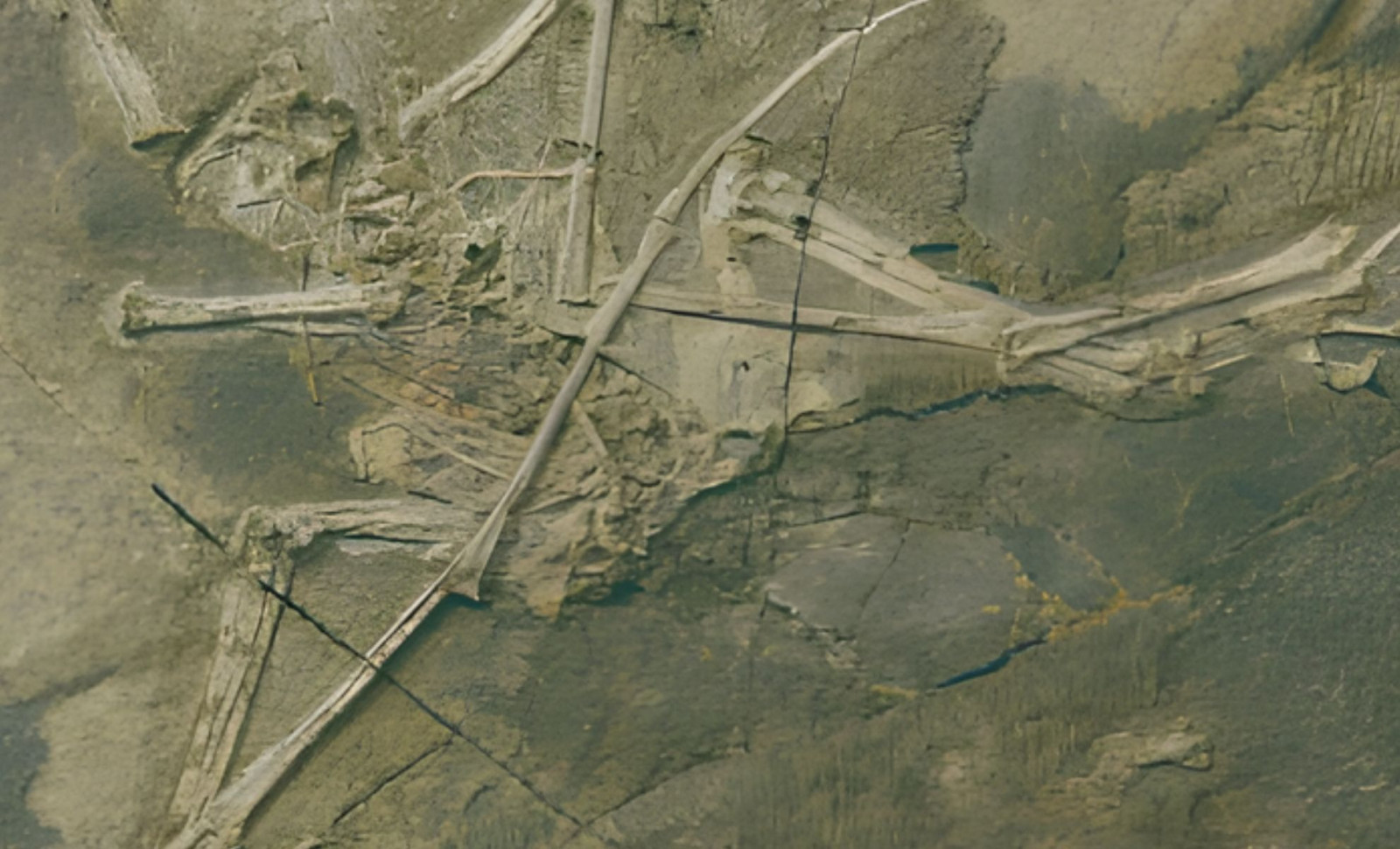
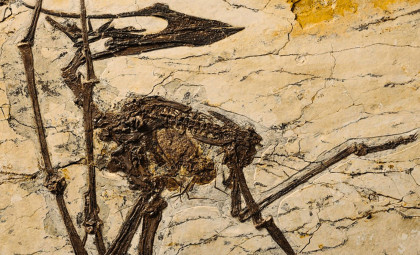
Researchers have uncovered a previously unknown species of pterosaur, Darwinopterus camposi, embedded within Middle Jurassic deposits in western Liaoning, China. This nearly intact fossil, approximately 160 million years old, offers important clues about the development and diversity of ancient flying reptiles.
The region of western Liaoning, especially the Tiaojishan Formation, is renowned among paleontologists for its rich fossil record. This latest specimen enhances the wealth of prehistoric remains recovered from this prolific site.
An Exceptionally Preserved Discovery
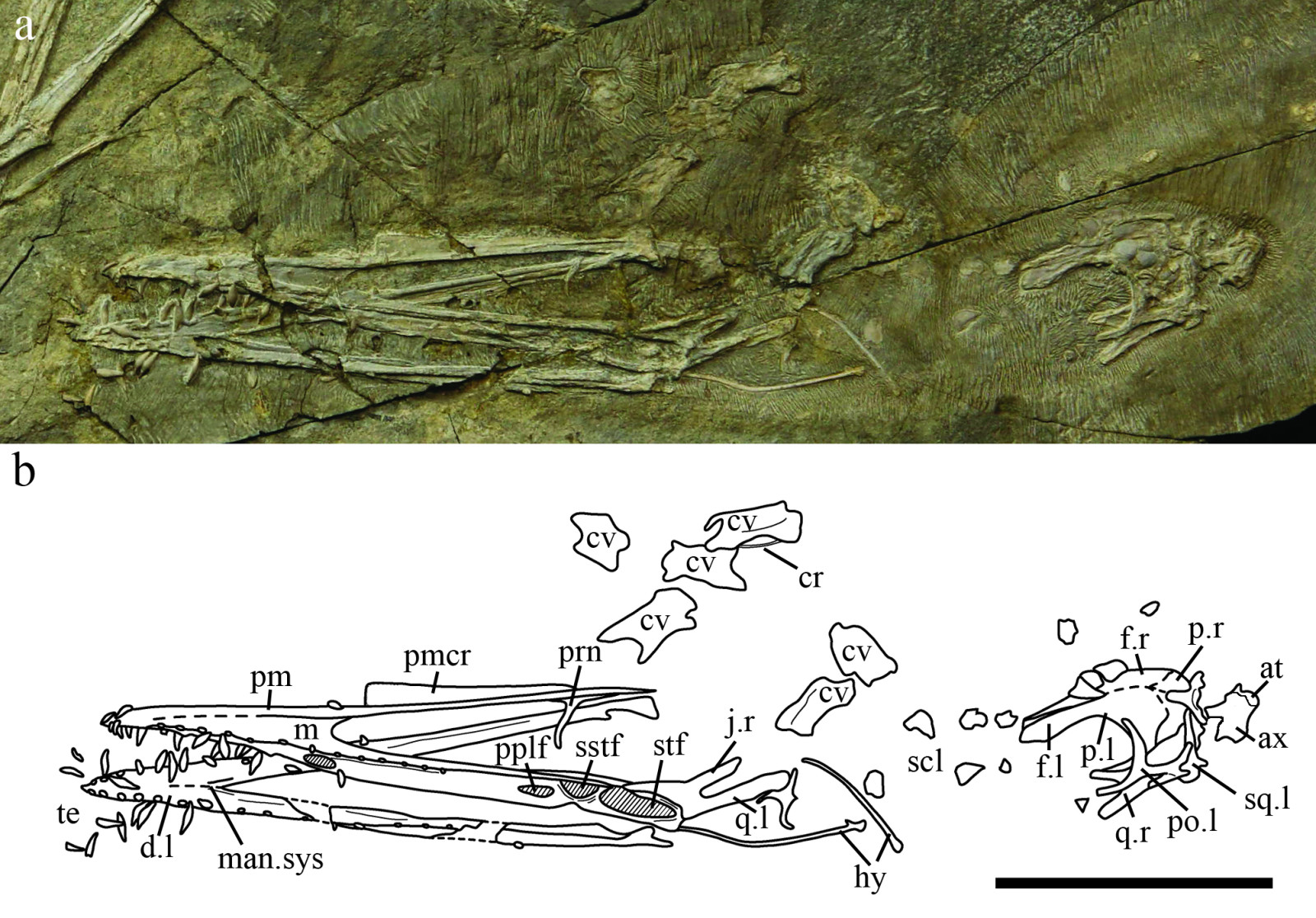
The Darwinopterus camposi specimen was extracted from a gray-green shale layer characteristic of the Tiaojishan Formation. It is remarkable for its completeness, including a well-preserved skull, mandible, spine, and numerous limb bones, yielding an almost fully intact skeleton — a rare find in paleontology.

“China has been a hotspot for pterosaur research for quite some time, presenting new discoveries that have fostered the study of these extinct flying reptiles,” said Dr. Xin Cheng, one of the paleontologists who worked on the discovery,
Dr. Cheng expressed enthusiasm over the specimen’s excellent condition. With a wingspan estimated at 75 cm (30 inches), this small pterosaur may not be large, yet its unique attributes provide valuable insights.
This species is particularly notable for combining traits from two distinct branches of pterosaurs. Belonging to the Wukongopteridae family, Darwinopterus camposi exhibits a blend of primitive features typical of early pterosaurs alongside more advanced characteristics seen in pterodactyloids.
Unique Traits That Set Darwinopterus camposi Apart
What specifically differentiates Darwinopterus camposi from its relatives? A publication in the Anais da Academia Brasileira de Ciências highlights its distinct premaxillary crest. Unlike the rounded crests typical in other pterosaurs, this species’ crest has a straight upper edge and a smooth lateral surface. Additionally, its fourth wing phalanx is shorter than the first, a rare anatomical feature in this group.
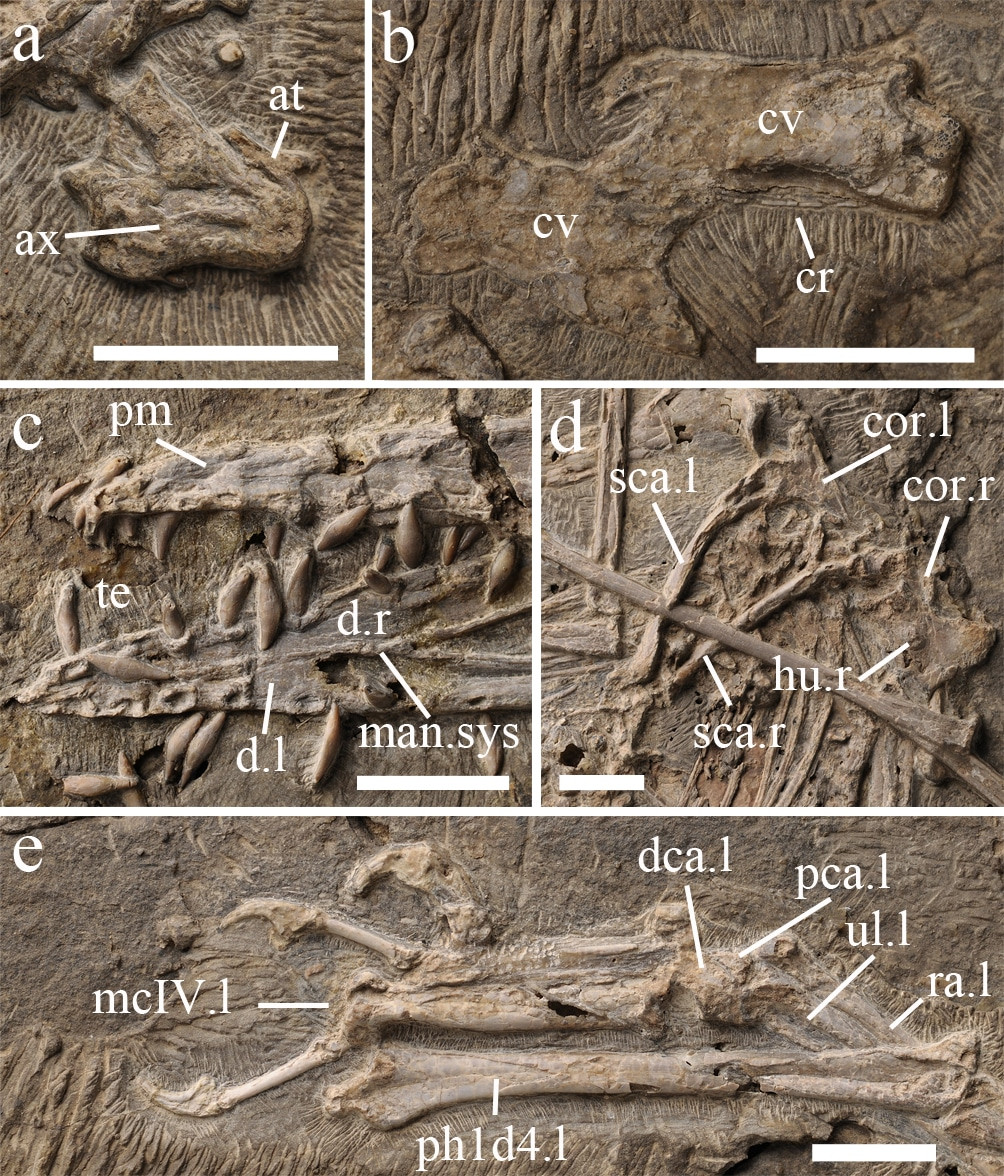
Dr. Cheng and his team believe these distinctive characteristics are crucial to understanding how this species fits into the broader evolutionary history of pterosaurs.
“More specimens and a closer look at the fusion of bones are needed to gain a better understanding of the ontogeny of the species that make up this interesting clade of pterosaurs.”
Remarkably, these anatomical details highlight significant variability even within the Wukongopteridae family. Darwinopterus camposi emerges as somewhat of an outlier among its relatives, illustrating the wide diversity that characterized pterosaur species, countering any notion that they were a homogenous group.
Insights Into Pterosaur Growth Patterns
This specimen also provides valuable information regarding how these flying reptiles matured. Examination of the skull reveals that several cranial bones fused late in development, contrasting with the earlier fusion seen in other species.
“The skull of the holotype of Darwinopterus camposi shows that some cranial elements only fuse at an extremely late stage during ontogeny.”
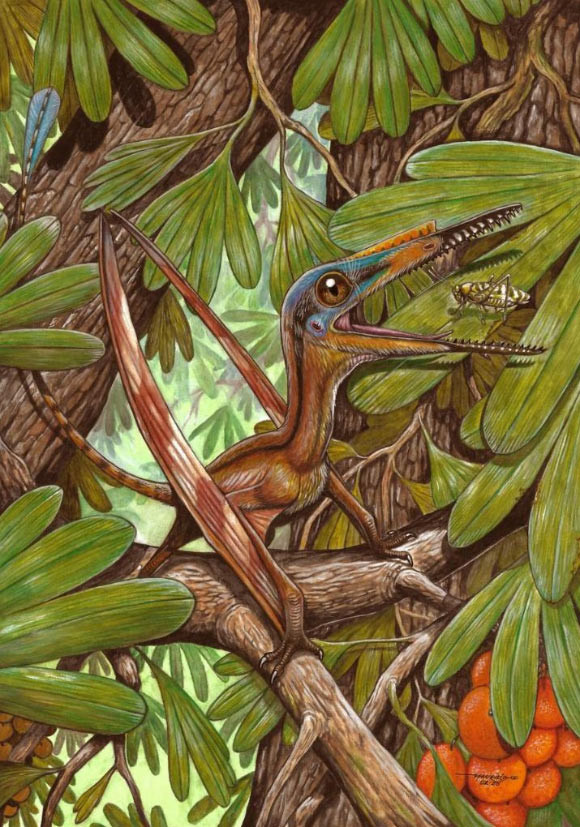
This delayed bone fusion pattern offers a fresh perspective on pterosaur growth and development compared to other ancient reptiles. Although additional fossil evidence is necessary to build a fuller picture, this extraordinary discovery unlocks new research avenues into pterosaur biology.
- Categories:
- Science


0 comments
Sign in to Comment