
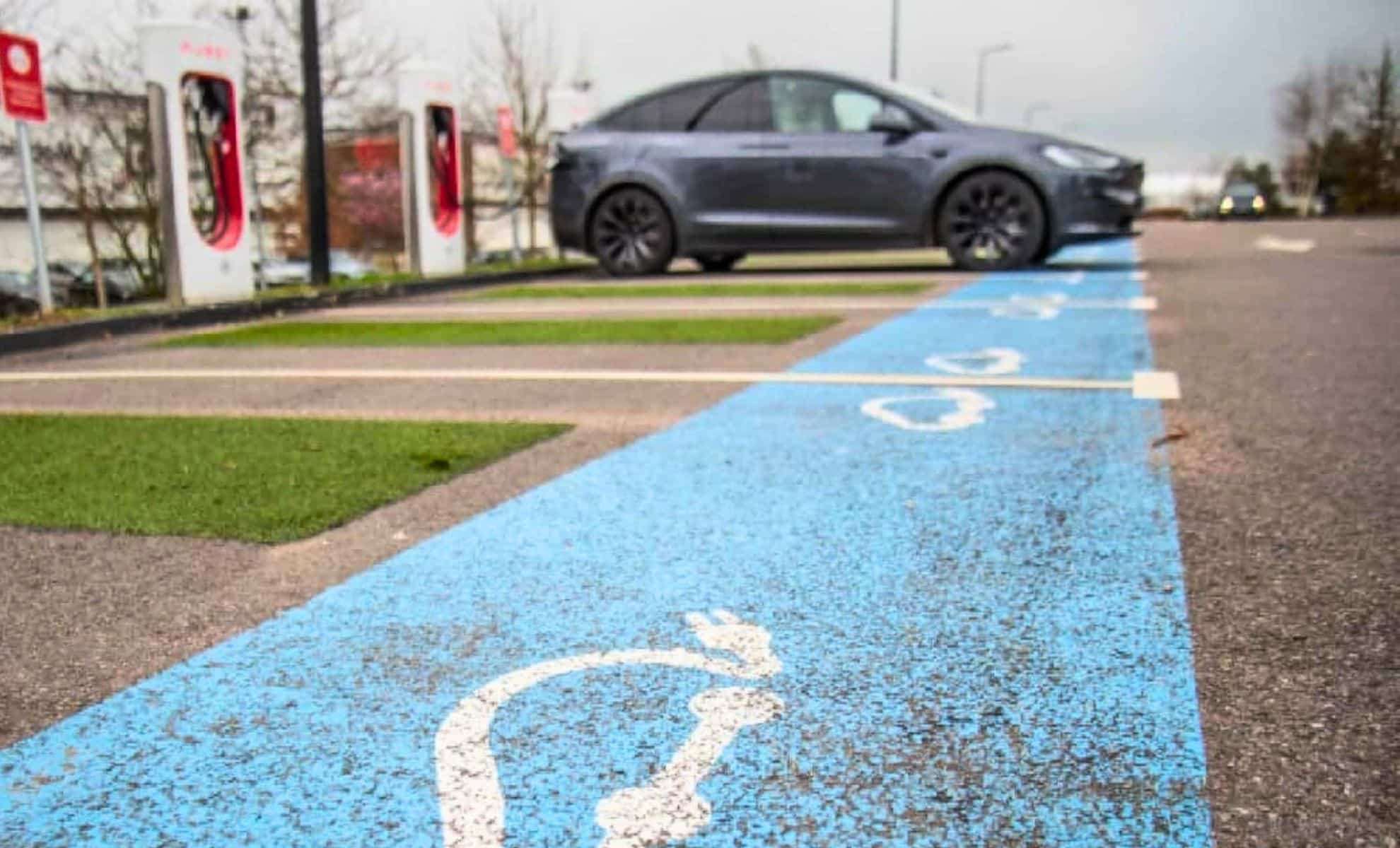
Recent data highlights a notable shift in how long drivers retain their vehicles, revealing that electric cars are traded in far more rapidly than traditional gasoline models. A comprehensive analysis by S&P Global exposes the evolving patterns in vehicle ownership and what they may indicate about the automotive future.
Gasoline Vehicles Maintain Longer Ownership Periods
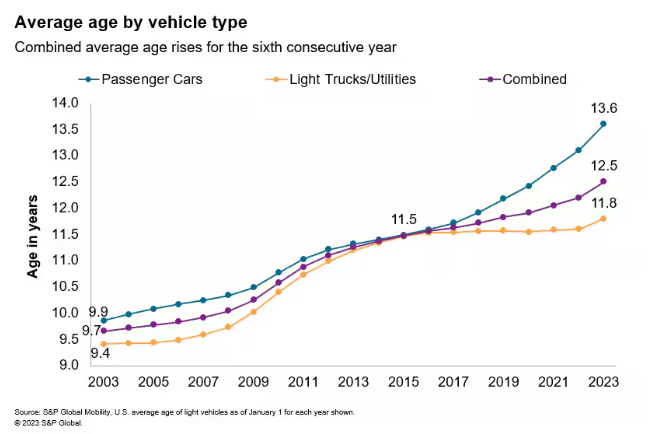
Research reported by Business Times shows that the average American driver holds onto their gas-powered car for around 12.5 years, with private cars being kept even longer, averaging 13.6 years. This trend towards prolonged use reflects greater confidence in the durability and trustworthiness of older gasoline vehicles.
Multiple reasons underlie this increased retention, including the reputation of conventional cars for dependable long-distance travel and economic decisions aimed at maximizing vehicle lifespan. Additionally, the automotive sector faced an 8% drop in sales in 2022, influenced by inflation, disrupted supply chains, and escalating costs, all encouraging owners to hold on to their existing cars longer.

Electric Cars Experience Faster Replacement Cycles
Contrary to gasoline cars, electric vehicle owners tend to switch out their cars considerably sooner. Findings indicate EV users generally change vehicles after about 3.6 years, which is nearly three times quicker than the typical replacement interval for traditional cars. This rapid turnover is largely driven by the upfront expense of electric vehicles, attracting affluent customers who frequently seek the latest technology.
As the EV industry advances, manufacturers like Tesla and BYD introduce new models boasting enhanced performance and cutting-edge features, motivating many to update their electric cars more often than before.
Economic Influences on Vehicle Replacement Patterns
Various economic pressures also play a role in these ownership trends. Rising inflation has pushed prices upward for both gas and electric cars. However, the premium cost of EVs means wealthier buyers are more inclined to update their vehicles regularly.
Meanwhile, many consumers stick with gasoline cars longer due to fuel affordability and proven reliability. Persistent supply chain obstacles have further limited access to new vehicles, compelling owners to maintain their current cars for extended durations.
These factors collectively contribute to an increase in the average age of vehicles in the U.S., which has been climbing annually for six consecutive years, reaching historic highs since the aftermath of the 2008 financial crisis.
- Categories:
- News













0 comments
Sign in to Comment