
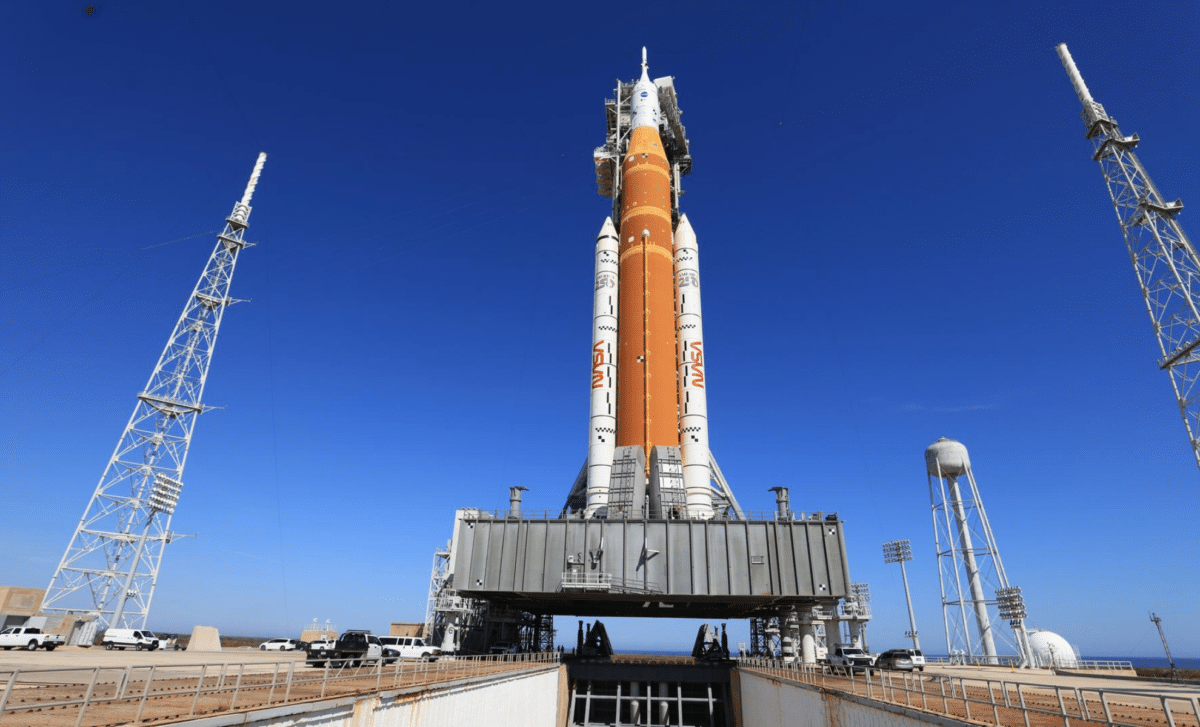
NASA’s Artemis II expedition, set to be the first crewed voyage beyond Earth's orbit since Apollo, is currently facing delays due to technical challenges. Initially scheduled for a March 2026 launch, an unexpected helium flow glitch in the Space Launch System (SLS) rocket’s upper stage has disrupted plans. Reports from Space.com reveal this complication is expected to push the launch beyond the original timeframe. NASA teams are actively working on the problem, aiming now for an April launch date.
Insight into the Artemis II Helium Flow Problem
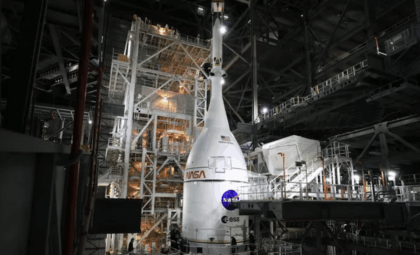
The Artemis II mission was approaching its final stages when the helium flow to the upper rocket stage emerged as a critical concern. This helium is essential for maintaining engine pressurization by stabilizing the liquid hydrogen and oxygen propellant tanks. Any disruption in helium flow compromises engine functionality. Due to this issue, NASA decided to retract the Artemis II vehicle to the Vehicle Assembly Building (VAB) to facilitate comprehensive repairs.
“This will almost assuredly impact the March launch window,” said NASA chief Jared Isaacman.
Add Cosmo Herald as a Preferred Source

Although such technical setbacks are not unusual in space missions, the timing is especially challenging given the proximity to the planned launch. The rocket had already been transported to the launch pad, and the original launch window spanned a brief period, from March 6 to March 9. Given the severity of the malfunction, NASA opted to delay the mission launch.
After overnight data showed an interruption in helium flow in the SLS interim cryogenic propulsion stage, teams are troubleshooting and preparing for a likely rollback of Artemis II to the VAB at @NASAKennedy. This will almost assuredly impact the March launch window. @NASA will…
— NASA Administrator Jared Isaacman (@NASAAdmin) February 21, 2026
Rollback Procedure: What It Means for the Artemis II Timeline
In light of the helium flow malfunction, NASA confirmed plans to move the SLS rocket and Orion crew vehicle off the launch site. “Weather permitting, NASA plans to roll back the SLS and Orion for Artemis II from the Kennedy Space Center launch pad starting Tuesday, Feb. 24,” stated a NASA update on Sunday. Although rollbacks are fairly standard, the process demands meticulous engineering coordination and takes significant time.
The relocation to the VAB enables NASA to perform the necessary fixes safely, though it comes with a major repercussion: “A rollback would mean NASA will not launch Artemis 2 in the March launch window,” NASA representatives clarified in their official blog post. Consequently, the mission’s launch has shifted, with April emerging as the new primary target.
Aiming for April: The Revised Launch Plan
Despite the postponement, NASA remains optimistic about achieving liftoff in the coming months. With the rocket’s rollback permitting more time for repairs, engineers can thoroughly address the helium flow issue and any other technical hurdles. NASA's official briefing notes: “Quick action to begin preparations for rollback may preserve the April launch window, contingent on findings from ongoing data assessments, repair success, and schedule development.”
The April dates offer a wider range, including April 1, April 3-6, and April 30. However, these possibilities depend heavily on efficient repair completion and further testing. Artemis II is a milestone mission, and absolute system reliability is essential to its success.
NASA’s Ongoing Dedication to Artemis Amid Challenges
In the face of this delay, NASA continues to prioritize the success of the Artemis program with rigorous troubleshooting efforts.
“Teams are actively reviewing data, and taking steps to enable rollback positions for NASA to address the issue as soon as possible while engineers determine the best path forward,” NASA officials explained.
The Artemis II mission represents a crucial leap toward returning humans to the Moon and beyond, and NASA’s engineers remain committed to ensuring all spacecraft systems meet the highest standards before launch.
Despite many prior obstacles such as early delays and the technical complexity of the SLS and Orion designs, each difficulty encountered reinforces NASA's resolve. Addressing the helium flow malfunction now will bolster mission safety and help pave the way for subsequent missions, including Artemis III, which aims to achieve crewed lunar landings. Resolving these issues strengthens the program’s foundation and improves the chances of a successful journey within the months ahead.
- Categories:
- News








0 comments
Sign in to Comment