
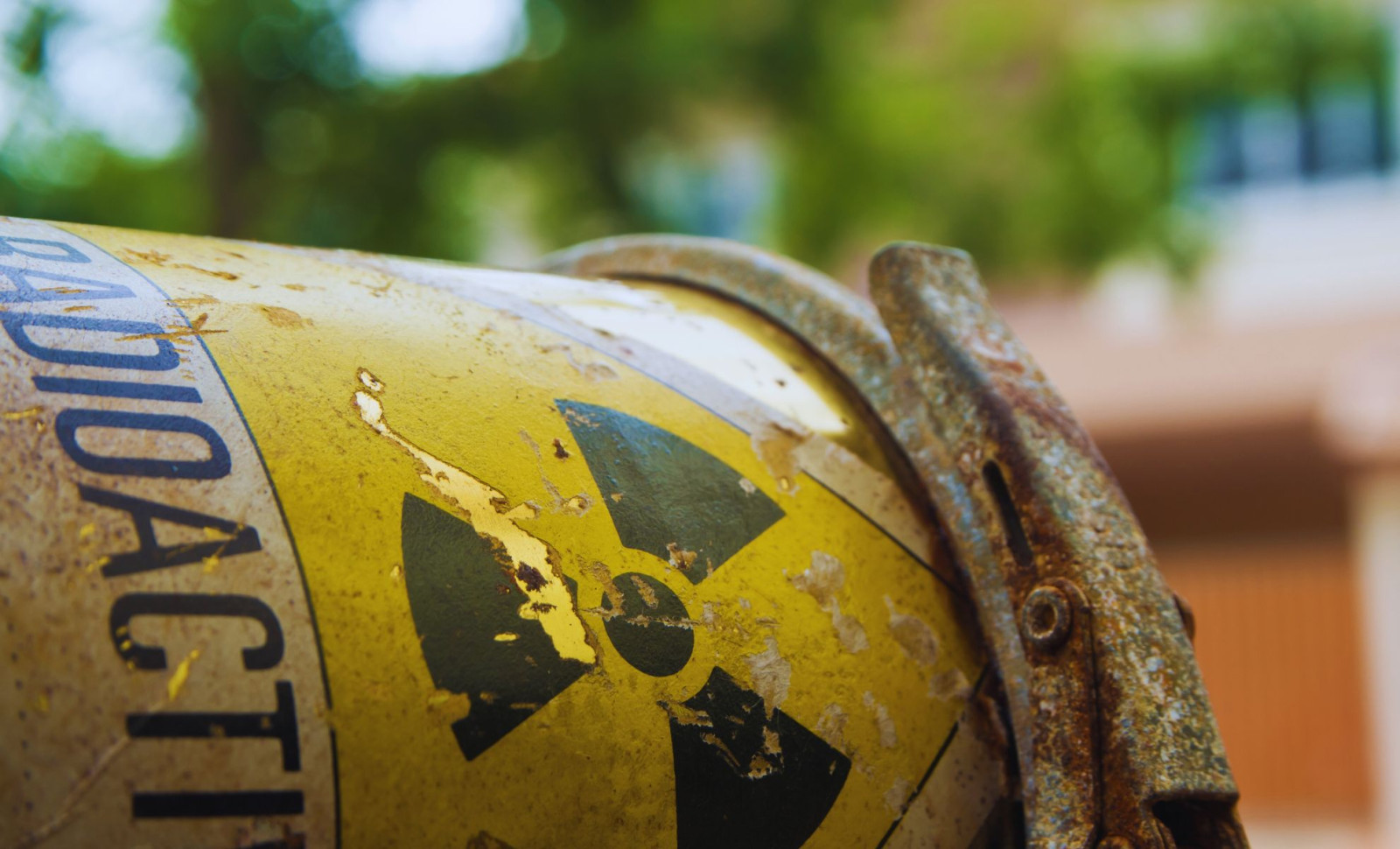
David Hahn, a 17-year-old Boy Scout from a Michigan suburb, captured public attention with his attempt to construct a nuclear reactor in his own backyard. Dubbed the “Radioactive Boy Scout,” Hahn inadvertently created a hazardous situation that made history for unfortunate reasons.
David showed a passion for science from an early age. By age 10, he was experimenting with chemistry in his bedroom, combining chemicals and studying nuclear energy literature. His curiosity soon shifted toward radioactive substances as he sought respect and recognition. In 1991, he earned the atomic energy merit badge, a prize coveted by scouts, marking the beginning of an intense quest that ultimately led him to build a nuclear reactor.
A Young Scientist's Quest for Nuclear Power
David Hahn was no ordinary teenager, holding ambitions that far surpassed typical interests. By 14, he was working with substances like nitroglycerin, a highly volatile compound, within his home. His parents relocated his experiments to the basement, but this did little to temper his growing obsession.

His focus was clear: create a functional breeder reactor. Breeder reactors produce more fuel than they consume, a sophisticated and risky technology. Without formal education, Hahn stealthily assembled his project, sourcing materials such as thorium from lantern mantles, radium from antique clocks, and tritium from gun sights—items commonly found in households.
According to a All That's Interesting report, he even impersonated an adult scientist to contact the Nuclear Regulatory Commission to obtain information about radioactive materials. Using cover stories, he gathered crucial details while working clandestinely. Employing everyday objects like coffee filters, pickle jars, and a gas mask, he proceeded to build what he believed would be a revolutionary device.
David Hahn, known as the "Radioactive Boy Scout," was a Michigan teenager who, in 1994 at age 17, attempted to build a nuclear reactor in his backyard using radioactive materials from household items.
6 Morbid Knowledge (@MorbidKnowledge) September 12, 2024
His project caused dangerous radiation levels, leading the EPA to dismantle#8230; pic.twitter.com/a8fWDCW0Ww
The Aftermath: Community Safety Jeopardized
As Hahn pushed forward, the unexpected occurred: he partially succeeded. While he didn’t build a full reactor, he generated enough radiation to contaminate multiple nearby homes. Reports indicate his Geiger counter registered alarming radiation levels, confirming that his backyard laboratory had become a hazardous site.
“The level of radiation after a few weeks was far greater than it was at the time of assembly. I know I transformed some radioactive materials. Even though there was no critical pile, I know that some of the reactions that go on in a breeder reactor went on to a minuteextent,” he said, according to an article published in Harper9s Magazine.
The situation escalated when police stopped him during a routine traffic check and discovered suspicious materials in his vehicle. This led to involvement by federal authorities. The Environmental Protection Agency (EPA) stepped in to decontaminate his lab, which was later designated a Superfund site due to toxic substances present. His risky project endangered approximately 40,000 residents, a sobering consequence of a young man’s reckless ambitions.
Hahn declined medical examinations following the cleanup, leaving the extent of radiation-related health issues uncertain. It is widely believed that his exposure likely reduced his lifespan, though he remained defiant, proud of his achievements despite the dangers he faced.
“I wanted to make a scratch in life,” quoted the same source, “I9ve still got time. I don’t believe I took more than five years off of mylife.”
Over time, David Hahn gained a measure of fame for his unusual and hazardous experiment. Despite this notoriety, his life was troubled, culminating in his death at age 39 in 2016.
- Categories:
- Science









0 comments
Sign in to Comment