

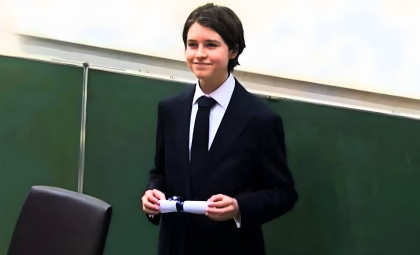
At only 15 years old, Hannah Herbst made a significant breakthrough in scientific innovation back in 2015. Today, over a decade later, the Boca Raton, Florida native continues to inspire with her environmentally conscious energy solution that harnesses ocean currents. Her project won first place in the esteemed 3M Young Scientist Challenge.
The competition highlights young inventors, and Hannah clinched the grand prize of $25,000 for developing a device crafted from recycled components. Motivated by her Ethiopian pen pal’s struggle with limited electricity access, Hannah designed a technology aimed at improving energy access and clean water availability in underserved regions.
Generating Electricity from Ocean Movements
Hannah Herbst created a device called “Beacon” that uses ocean currents to produce electricity. The design is straightforward and extremely affordable, with materials costing only $12.

“I was boating with my family through the Boca Raton Inlet, and our boat was really jerked around by the current. I thought, why not use this power?” she recalled.
As reported by Business Insider, the apparatus incorporates a 3D-printed propeller linked to a hydroelectric generator enclosed within a PVC pipe. The current’s motion drives the propeller, converting kinetic energy into electrical power. Hannah trialed the system in the Boca Raton Intracoastal Waterway, demonstrating that it could power LED lighting effectively.
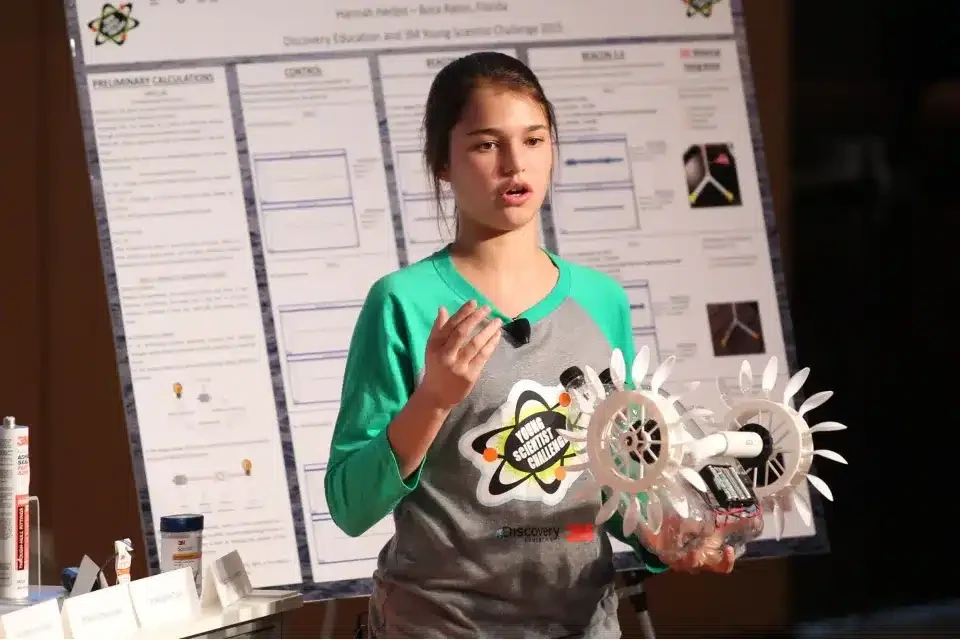
What distinguishes this device is its independence from solar or wind energy. Since ocean currents flow continuously, this method offers a more dependable renewable energy source. Coastal communities could benefit greatly by utilizing this natural power for households and essential infrastructure.
Addressing Energy Challenges in Developing Nations
Many coastal regions worldwide face erratic electricity and fresh water supplies. Herbst’s creation has the potential to transform these circumstances. If implemented on a larger scale, the generator could supply power for desalination units that convert seawater into potable water, as well as energize medical tools like blood centrifuges or assist with coastal navigation systems.
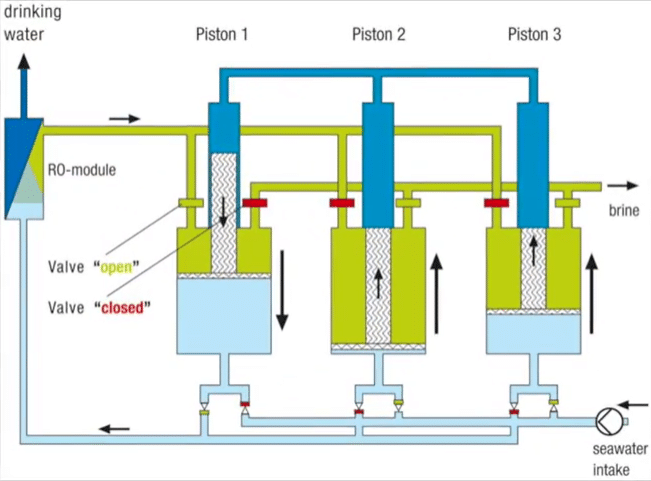
The affordability and straightforward assembly make this technology ideal for remote regions without large-scale infrastructure. In places where constructing costly power plants is impractical, this innovative yet simple device could prove transformative.
Fostering Innovation for the Future
The 3M Young Scientist Challenge empowers young visionaries to refine their inventions with professional mentorship. Following her victory, Hannah collaborated with 3M scientist Jeffrey Emslander to improve her prototype.
She committed to donating part of her award towards aiding her Ethiopian pen pal and her community's school. Her plans extend beyond that, aiming to continue enhancing the device with 3M’s support and to deploy it where its benefits are most needed.
“When I’m done developing it, I’m going to open source it,” she told Fast Company back in 2015. “Everybody in the world can have access to the materials list and the data I got–everything you need to make this device. I really want to help my pen pal. I can’t imagine a day without energy in my life.”
- Categories:
- Science









0 comments
Sign in to Comment