

During a trip to Ontario, 15-year-old Evan Budz observed a snapping turtle effortlessly gliding underwater without disturbing its surroundings. Inspired by this smooth movement, he envisioned a way to apply similar mechanics to monitor aquatic ecosystems. Within months, he developed a functional robotic prototype.
Named BURT (Bionic Underwater Robotic Turtle), Evan's invention mimics the swimming style of a green sea turtle. Equipped with artificial intelligence, it scans bodies of water for environmental threats, achieving an impressive 96 percent detection accuracy during trials identifying simulated coral bleaching.
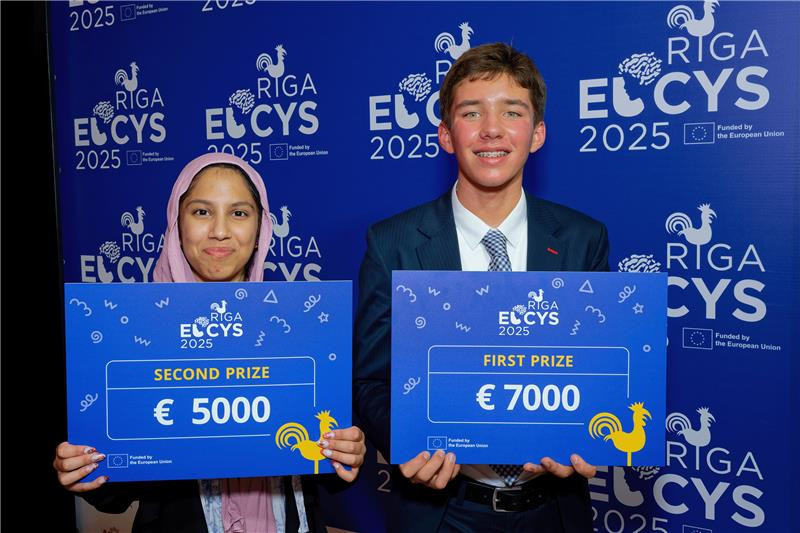
His innovative project secured first prize at the European Union Contest for Young Scientists held in Riga, Latvia, in September 2025, awarding him €7,000. Earlier that year, he also claimed Best Project (Innovation) at the 2025 Canada-Wide Science Fair, which involved nearly 25,000 participants across the country.

Engineering a Robot That Swims Like an Authentic Turtle
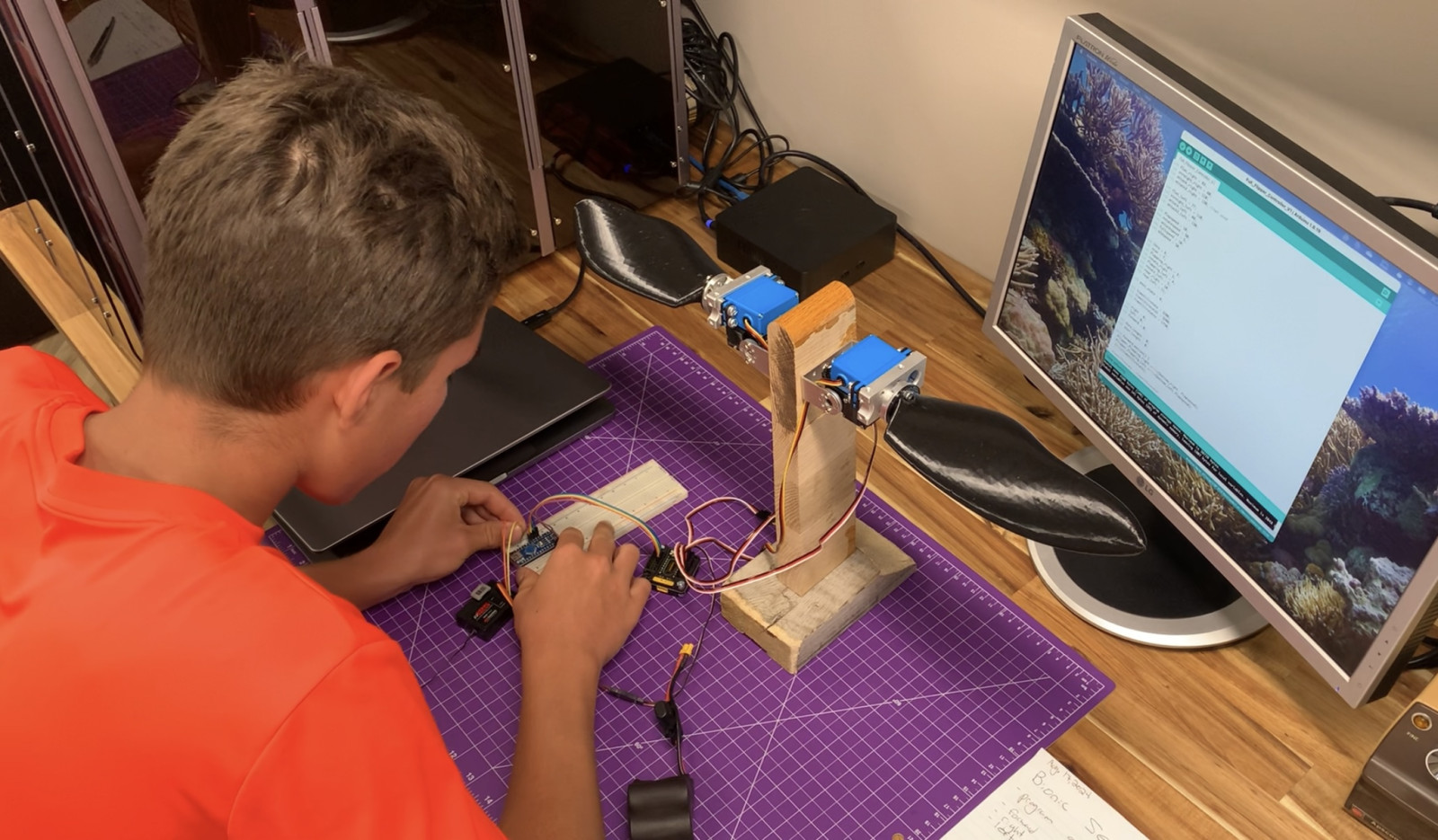
Unlike typical underwater drones that rely on propellers or jet systems potentially harmful to fragile marine habitats, Evan aimed for a gentler approach. By examining videos and consulting with aquarium experts, he learned how sea turtles propel themselves primarily using their front flippers while using back limbs for steering.
He crafted BURT’s design using SolidWorks, a 3D design program, and personally 3D-printed the parts. The robot’s four flippers replicate the natural division of movement, with an acrylic tube housing a Raspberry Pi computer that controls AI-powered detection algorithms as well as data storage and transmission. Additional sensors regulate depth, GPS navigation, and obstacle avoidance, while a forward-facing camera supplies real-time visuals.
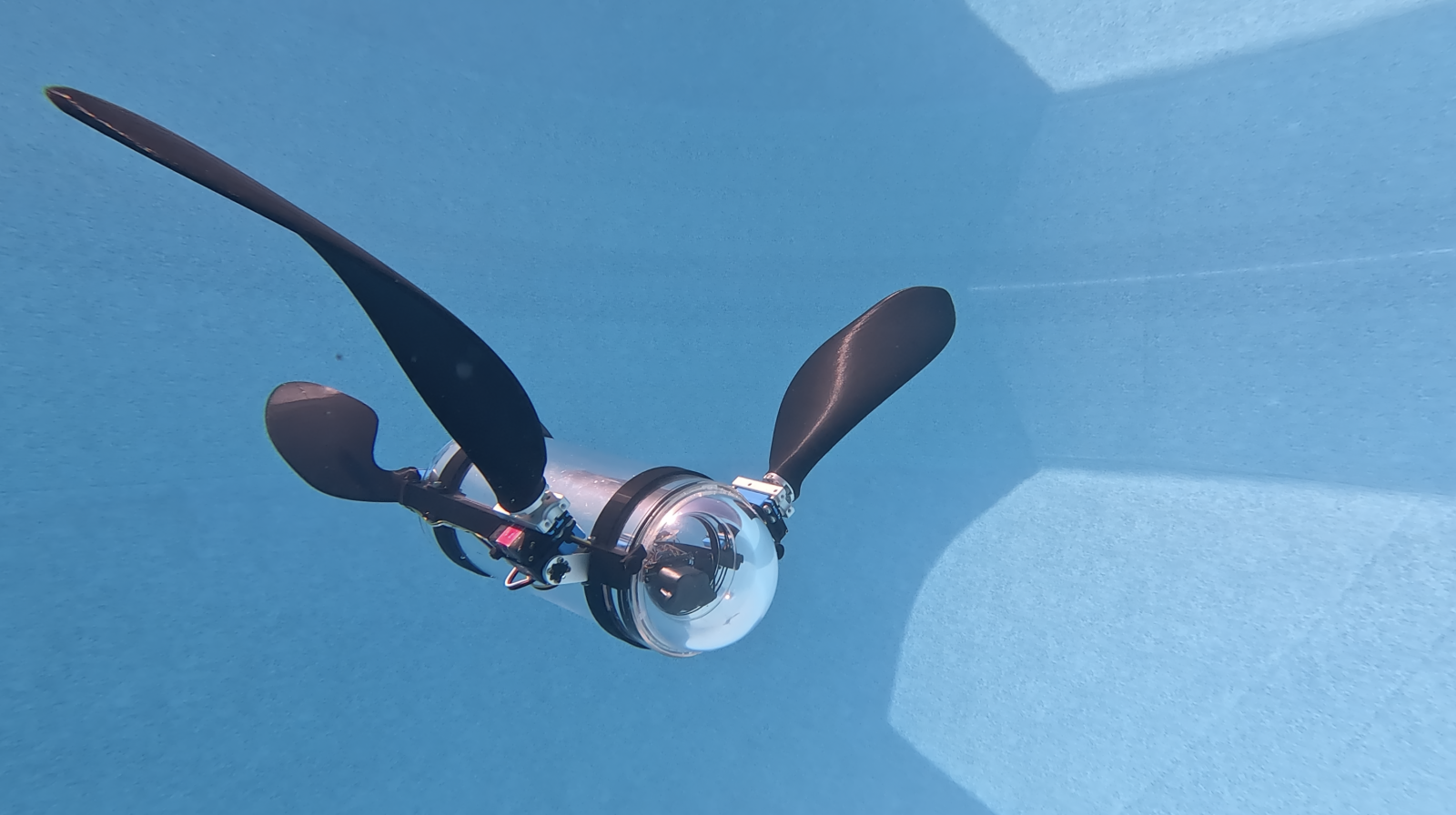
Weighing approximately 11 pounds, BURT uses metal ballast for neutral buoyancy and can operate up to eight hours on a lithium battery, with solar panels extending its operational duration. The robot cruises at about 0.5 miles per hour, matching sea turtle swimming speeds, though its velocity can be tweaked by altering the flipper stroke rate.
From Backyard Testing to Lake Ontario Trials
Most of BURT's design and testing happened in his grandparents' backyard pool, just over eight feet deep. Evan constructed a simulated coral reef from 3D models to teach the robot to identify coral bleaching and invasive species. BURT followed this predefined search pattern autonomously, transmitting all data back to the Raspberry Pi and external sources.
Later, he extended testing to Lake Ontario to verify performance in natural conditions.
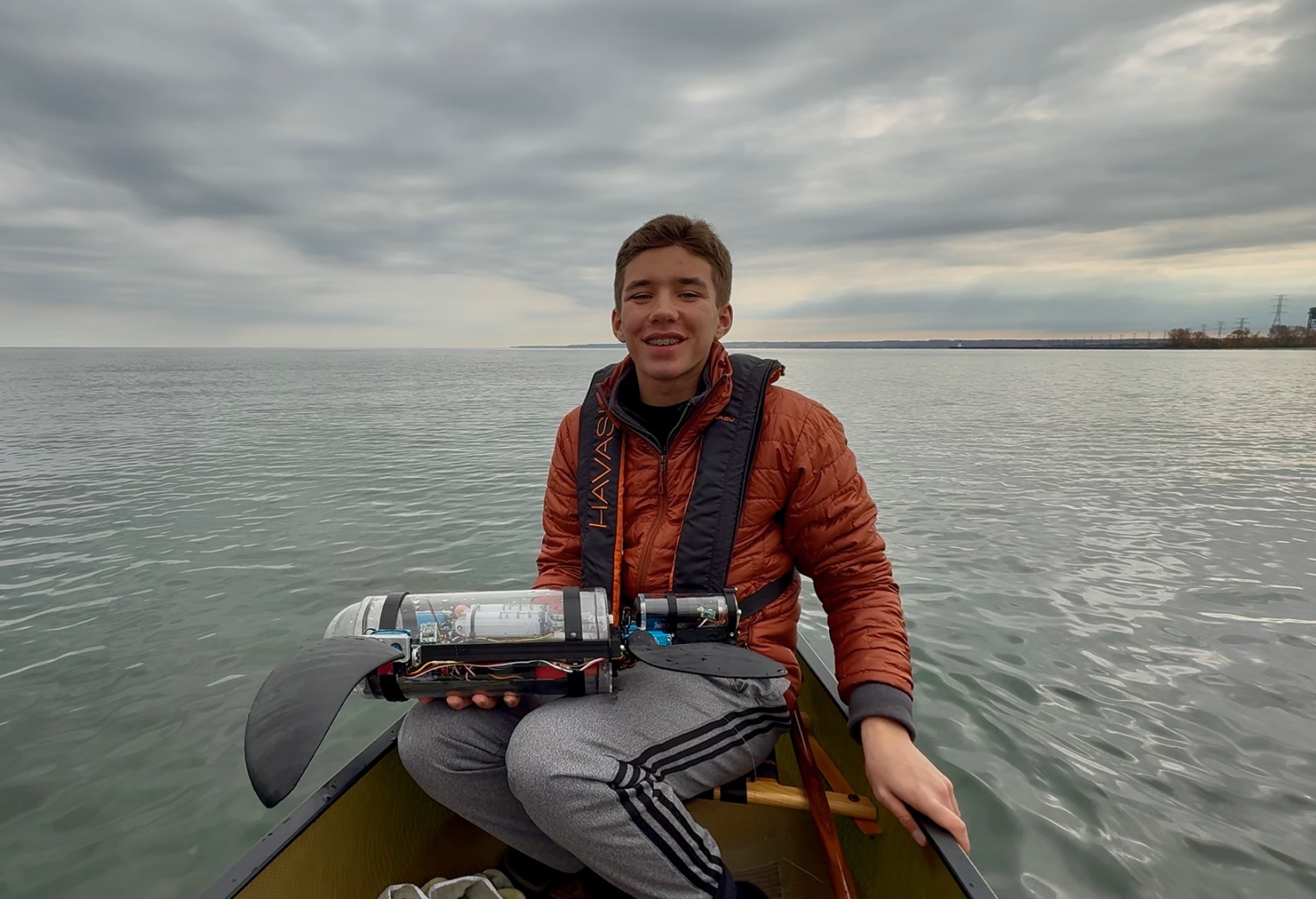
To handle turbid waters, he incorporated front-facing lights and an ultrasonic transducer for obstacle detection via sound waves. More recently, he developed a holographic imaging system to capture the form and structure of microscopic particles, which an AI-powered neural network sorts to detect microplastics.
Recognition and Vision Behind the Invention
As reported by Youth Science Canada, Budz competed with young researchers aged 14 to 20 from 40 countries at EUCYS. His victory marked the fourth consecutive year Canadian students secured two top prizes. Another Canadian, Sara Waqas from Calgary, received second place for her work on targeted schizophrenia therapies.
Budz also earned the Ellison Scholars Award, granting him an all-expenses-paid trip to Oxford University.
“My parents raised me with the idea that I should leave every place better than I found it,” Budz shared with Popular Science. This ethos inspired a device that collects vital data while minimizing environmental impact.
Looking ahead, Budz hopes to deploy multiple BURT units to monitor diverse aquatic threats. His current focus includes coral bleaching, invasive species, and microplastic detection, with the holographic imaging system expanding the robot’s monitoring capabilities.
- Categories:
- News








0 comments
Sign in to Comment