
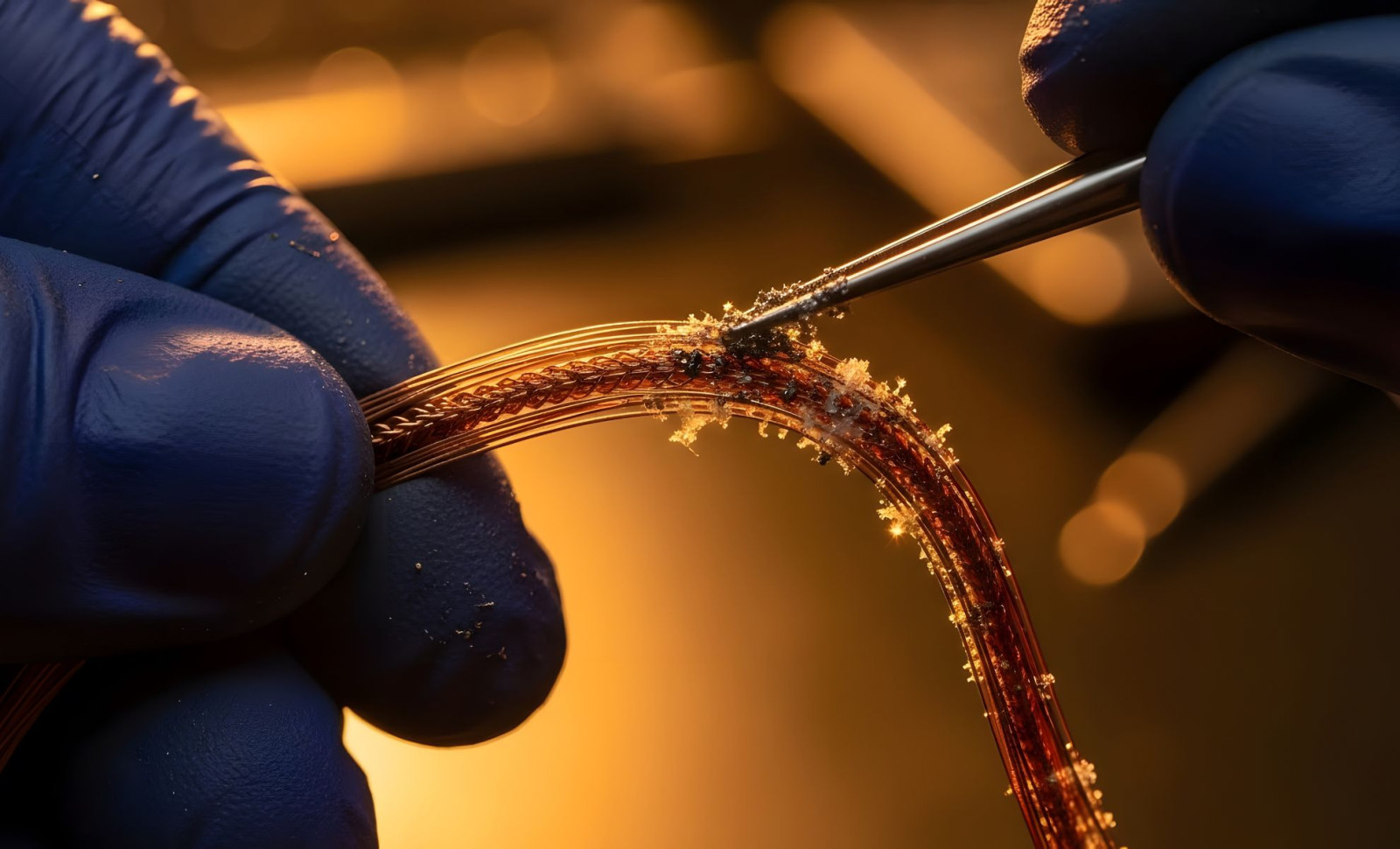
On the International Space Station (ISS), thousands of tiny worms are currently being studied to understand how microgravity and space radiation impact living organisms at a cellular level.
Since April 11, astronauts aboard the ISS have been conducting experiments involving these millimeter-long worms. Supported by funding from the UK Space Agency, the research aims to provide insights into how human physiology might be affected during prolonged space missions.
Transported via NASA’s CRS-24 mission, this study focuses on the microscopic Caenorhabditis elegans worms, selected for their biological relevance to humans. Scientists hope to learn vital information to improve health protection measures for astronauts facing the extreme environment of space.

Model Organisms Offer Clues to Human Health in Space
Despite their diminutive size, C. elegans serve as an excellent model for biological research. According to a 2018 French study published in Médecine/Sciences (Med Sci Paris), these worms share roughly 35-40% of human genes, making them valuable proxies for examining space-induced biological changes.
Widely used in terrestrial labs for investigating aging, muscular health, and reactions to stress, these worms provide critical data applicable to human space travelers.
“It might sound surprising, but these tiny worms could play a big role in the future of human spaceflight. This remarkable mission – backed by government funding – shows the ingenuity and ambition of UK space science, using a small experiment to tackle one of the biggest challenges of long‑duration space travel: protecting human health,” said Space Minister Liz Lloyd in an official press release from the British government.
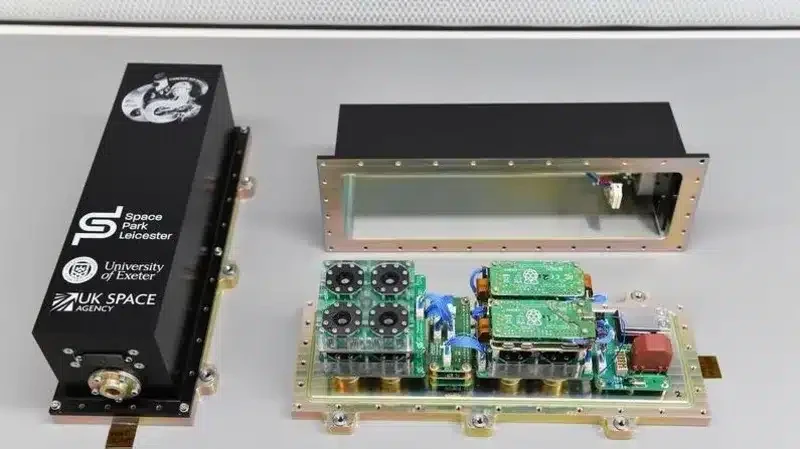
The short lifespan of C. elegans enables scientists to observe multiple generations during a single spaceflight. Within a specialized "Petri Pod" on the ISS, conditions like temperature, oxygen, and pressure are carefully controlled to ensure the worms’ viability. This setup is equipped with fluorescent and white light imaging to allow continuous observation of their health and behavior.
Confronting the Extreme Environment of Space
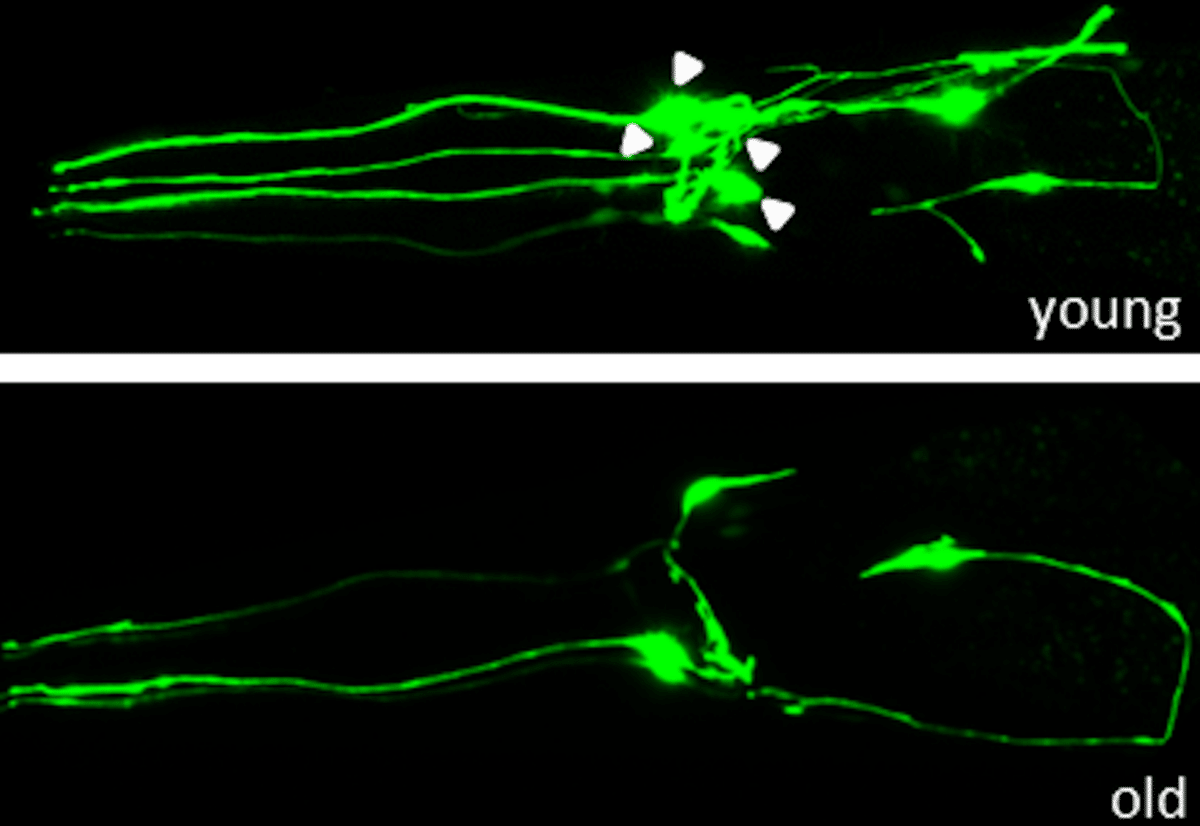
Microgravity in space can cause muscle weakening and bone density loss. Meanwhile, radiation exposure poses a significant threat by damaging DNA, potentially increasing cancer risk. For up to 15 weeks, the worms in this investigation will endure these harsh factors.
Positioned externally on the ISS, the Petri Pod subjects the worms to space's vacuum and radiation, while cameras using time-lapse and fluorescent tagging help scientists examine changes in their muscle and nerve cell functions.
Microscopic Worms Informing Human Missions Beyond Earth
As NASA’s Artemis program targets upcoming Moon missions, gaining a deeper understanding of biological responses to space remains essential. Dr. Tim Etheridge from the University of Exeter commented:
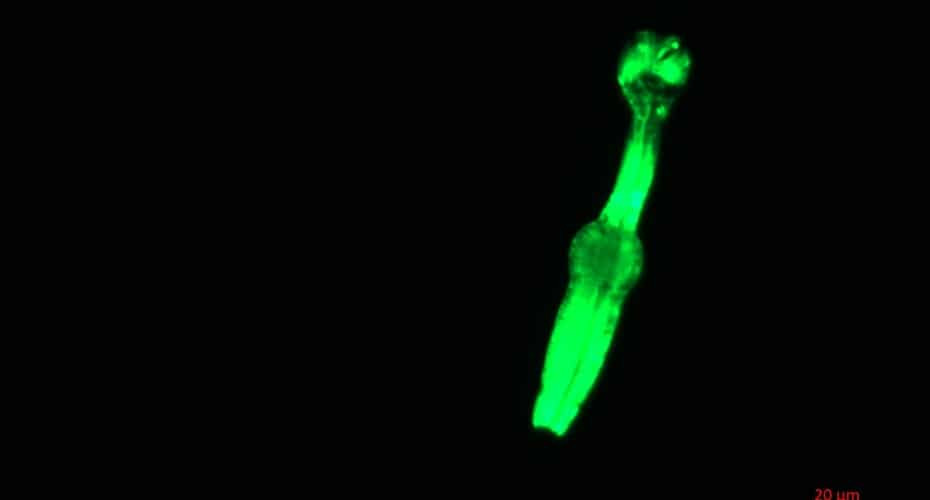
“By studying how these worms survive and adapt in space, we can begin to identify the biological mechanisms that will ultimately help protect astronauts during long-duration missions — and bring us one step closer to humans living on the Moon.”
The findings will guide the creation of health safeguards for astronauts on lengthy spaceflights. This study also demonstrates the value of compact, efficient experiments in advancing space biology. Professor Mark Sims from the University of Leicester, who manages the project, remarked:
“We hope this will contribute to our understanding of the microgravity environment, and we’re excited about the potential to further develop the instrument concept in the future.”
- Categories:
- Nasa








0 comments
Sign in to Comment