
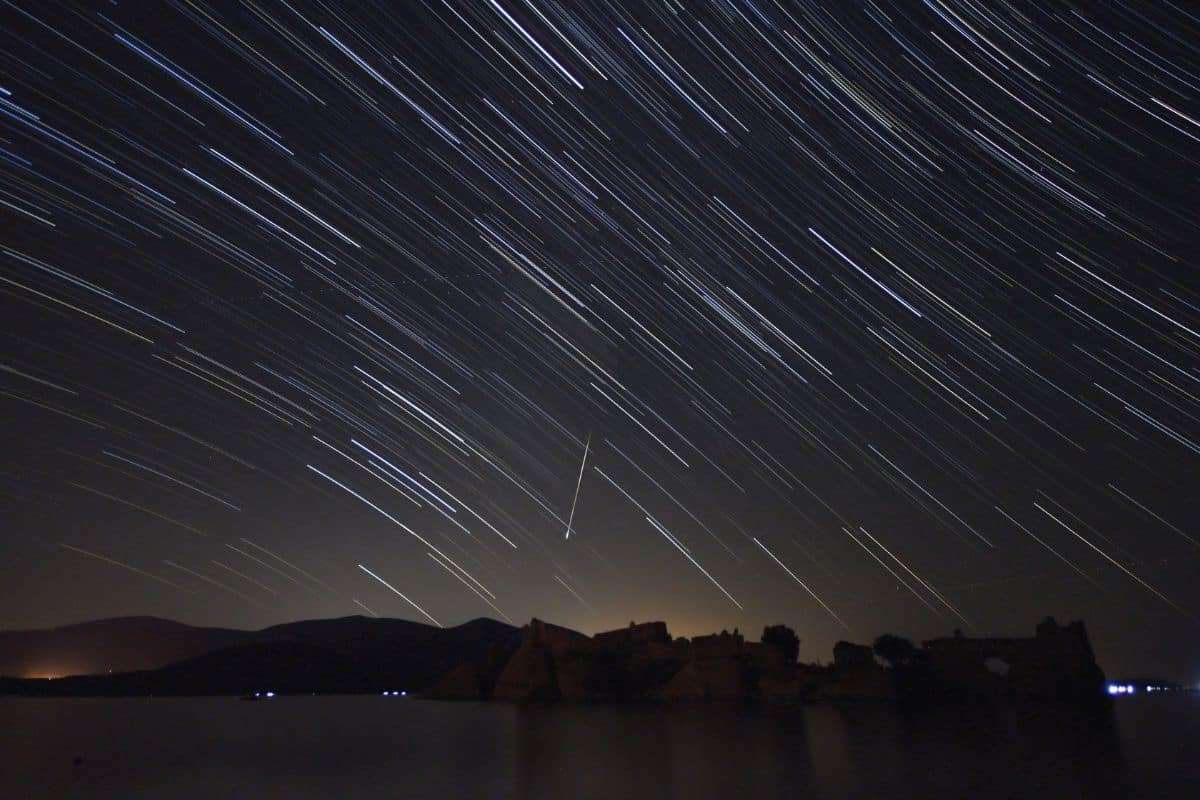
As we move through April and May, sky enthusiasts have a spectacular show to anticipate. Two prominent meteor showers—the Lyrid and Eta Aquariid—are gearing up to dazzle observers worldwide. These yearly phenomena offer a chance to witness breathtaking streaks of light, with optimal viewing conditions varying by location.
Origins of the Lyrid Meteor Shower from Comet Thatcher
Beginning on April 17, the Lyrid meteor shower will grace northern skies, reaching its peak between April 21 and 22. This shower occurs as Earth travels through debris left by Comet C/1861 G1 (Thatcher), which orbits the Sun approximately every 422 years. The meteors appear to radiate from a point near the Lyra constellation, inspiring the Lyrids’ name.
This year, the shower’s peak coincides with a waning moon at around 40% illumination. Although moonlight may slightly diminish meteor visibility, EarthSky recommends observing on the evening of April 21 just prior to moonrise. Clear skies could reveal 10 to 15 meteors per hour, depending heavily on local weather and geographic factors.

Best Viewing Areas: Northern Hemisphere Advantage
The northern hemisphere stands to have prime views of the Lyrid shower, given that the radiant lies near Lyra, high in northern skies. Observers located in the southern hemisphere might see fewer meteors, as the radiant remains low on the horizon.
Prime locations include North America, Europe, and Asia. For the most striking experience, select a dark spot free from light pollution and obstructions.
The Eta Aquariids: Debris from Halley’s Comet
From April 20 to May 21, the Eta Aquariid meteor shower will brighten skies in a spectacle that peaks around May 2 and 3. This shower traces its origins to fragments of Halley’s Comet, a famed celestial visitor that returns to the inner solar system roughly every 76 years. Its radiant is located near the Aquarius constellation.
During peak activity, the Eta Aquariids can produce as many as 50 to 60 meteors each hour, though overall visibility varies by region.
The southern hemisphere benefits from the best views, while those in the northern hemisphere may see fewer meteors—typically around 20 per hour under optimal conditions. The early morning hours, especially after midnight, offer the best chance to spot these meteors as the radiant climbs higher in the sky.
How to Enjoy These Meteor Showers
One of the greatest advantages of watching meteor showers like the Lyrids and Eta Aquariids is that you don’t require specialized gear. Just find a comfortable, dark spot with a clear view of the sky and your own two eyes. While binoculars or telescopes can enhance the spectacle, they aren’t needed. To maximize your experience, avoid light pollution by selecting rural locations far from city lights.
If you want exact timings for your area, Time and Date is a great resource for local meteor shower forecasts. To stay informed on upcoming events, consider downloading the International Meteor Organization‘s 2025 meteor shower calendar.
- Categories:
- Space








0 comments
Sign in to Comment