
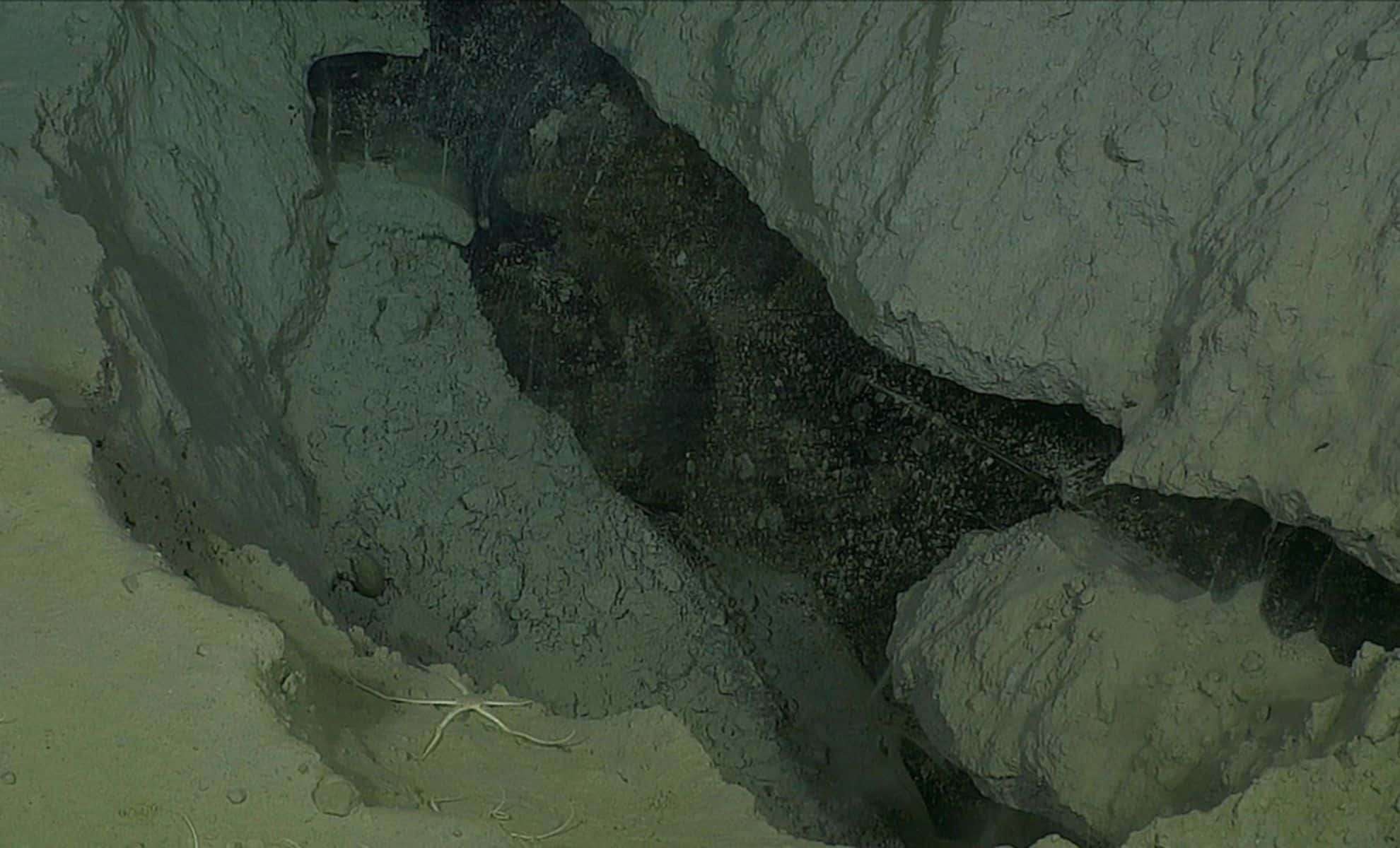
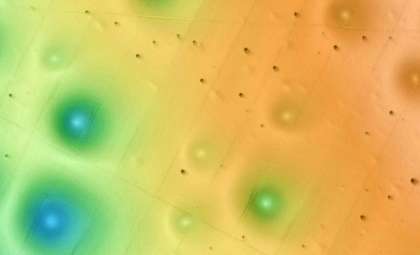
Scientists were recently amazed by a groundbreaking find in the distant Arctic territory. A global team uncovered an extensive array of submerged formations near the Canadian Beaufort Sea’s boundary. These structures, some exceeding the size of football fields, have intrigued researchers due to their enigmatic nature and recent origin. Earlier explanations attributed similar formations to ancient permafrost thaw, but new data points to ongoing processes shaping these features today.
Recent Crater Finds Reveal Surprisingly Recent Origins
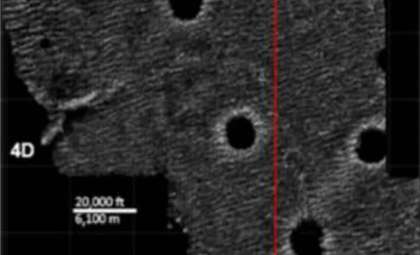
From 2010 through 2022, the team documented 65 previously unreported craters, with the largest approximately the size of a city block and featuring shapes akin to multi-story buildings. Earlier, scientists assumed these craters were relics of permafrost engulfed by ice and sediment since the last glaciation. Yet, detailed studies uncovered that the ice caps covering these depressions formed under present environmental conditions.
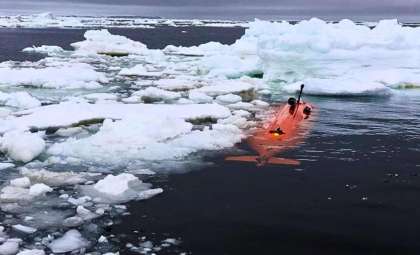
Heading the investigation, the Monterey Bay Aquarium Research Institute (MBARI) employed submersible robots to collect samples from these notable seafloor craters. Findings showed that the ice is continuously forming and melting in the current climate rather than being a vestige of the distant past.

Ongoing Permafrost Activity Beneath the Arctic Ocean Floor
When ancient permafrost below the ocean thaws, it releases brackish water that moves upward, cools, and refreezes as it descends back to the seabed. This cycle creates massive ice mounds and vast sinkholes that actively sculpt the underwater topography.
“Our findings demonstrate that near the seafloor, permafrost ice is in a state of active formation and breakdown across large areas, resulting in an ever-changing underwater landscape marked by enormous sinkholes and sediment-covered ice mounds,” explained Charlie Paull, lead author of the research paper.
He emphasized that this new evidence overturns previous beliefs that all submarine permafrost is leftover from the last ice age. “We now understand that submarine permafrost ice is continually being created and decomposed on today’s seafloor, not just relic ice from ancient times.”
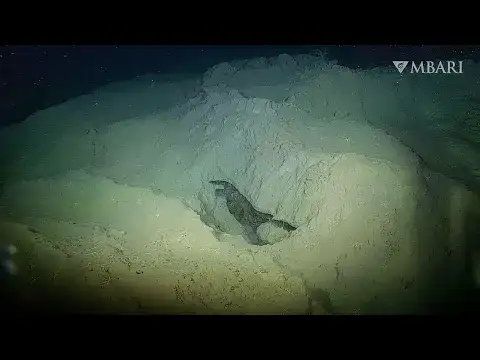
Transforming Perspectives on the Arctic Seafloor’s Evolution
The team’s discovery extends beyond a mere scientific milestone; it revolutionizes our comprehension of the Arctic environment. Once considered a static frozen expanse, this region is now known to be highly dynamic and constantly changing.
The ever-shifting Arctic seafloor, with its gigantic ice features and subsidence zones, underscores the necessity to rethink underwater engineering and infrastructure planning in the Arctic.
As permafrost undergoes continual melting and regeneration, the physical Arctic Ocean landscape is in flux, demanding innovative approaches to handle both ecological and structural challenges. Charlie Paull noted, “Such ongoing dramatic modifications to the seafloor carry significant consequences for those involved in decisions about Arctic underwater installations.”
“This realization also means current methods to detect submarine permafrost are inadequate for the near-seafloor ice types we’ve identified recently. We must reevaluate the potential extent of permafrost beneath the Arctic Shelf,” he added.
- Categories:
- News


0 comments
Sign in to Comment